
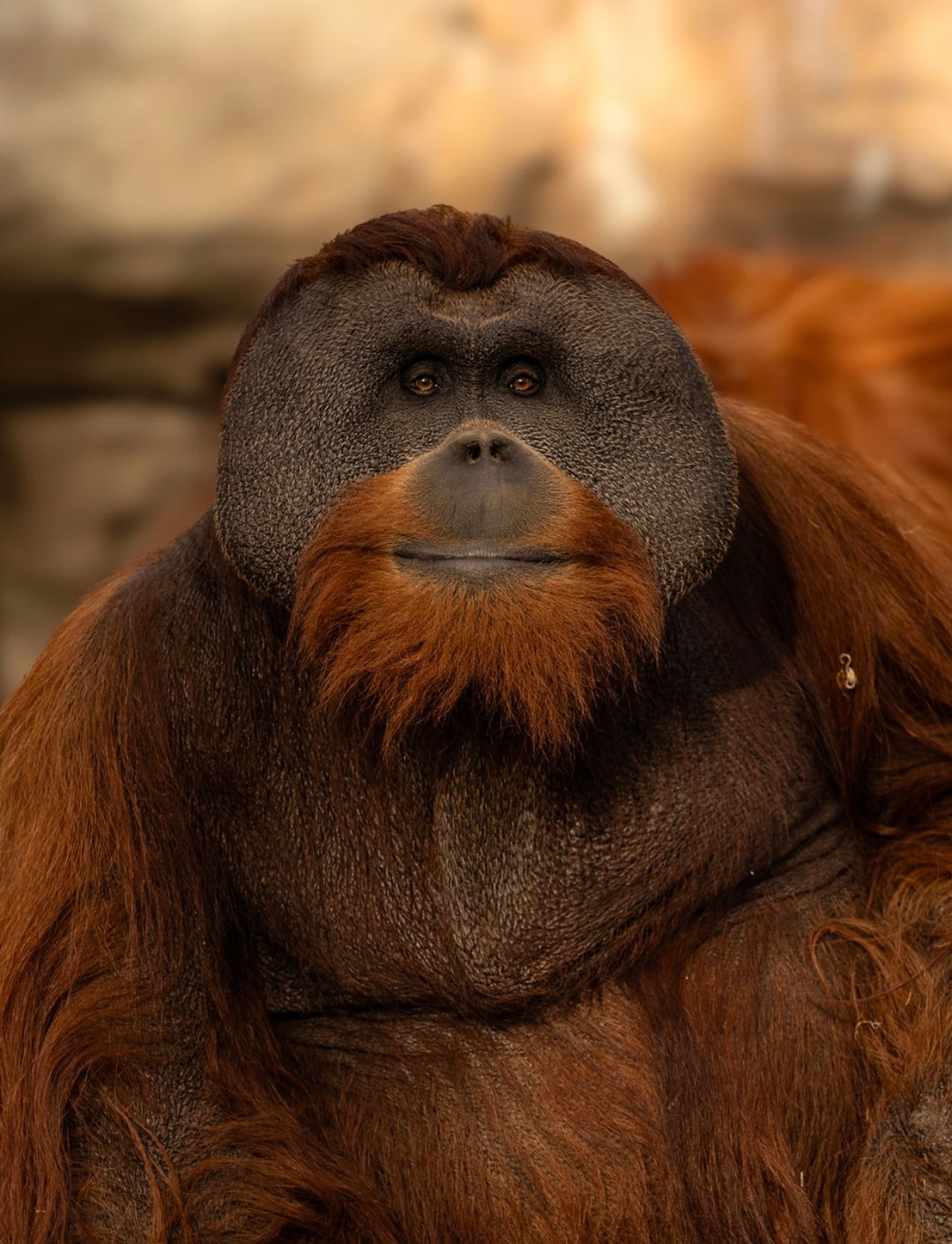
- The significance of Berani’s veterinary care and management.
- The role of orangutans in biodiversity and conservation efforts.
- Berani’s contributions to orangutan care and human-animal bonding.
- The impact of Berani’s story on the community and the broader conservation narrative.
- The ongoing challenges of kidney disease in orangutans and implications for future care.
The significance of Berani’s veterinary care and management revolves around the advanced protocols used for his well-being. Berani was diagnosed with late-stage kidney failure, a critical condition that is frequently observed in captive orangutans. His treatment involved a multidisciplinary approach, including veterinary medicine, animal behavior, and nutritional science. The veterinary team conducted regular blood tests to monitor his renal function and assess the effectiveness of the treatment plans in place. This monitoring facilitated timely adjustments to his diet and medication, reflecting how veterinary care in zoos can closely mimic the personalized healthcare protocols for humans.
In addition to the routine medical interventions, Berani’s caregivers often employed enrichment techniques to enhance his quality of life during treatment. Environmental enrichment plays a vital role in promoting the physical and psychological well-being of captive animals. By providing varied stimuli, caregivers helped Berani engage with his environment, alleviating some stress associated with his illness. This comprehensive approach underscores the importance of continuous monitoring and adaptive strategies in zoo management, demonstrating a commitment to the animal’s sustained comfort.
The role of orangutans in biodiversity and conservation efforts is profound. Sumatran orangutans, in particular, help maintain the health of their forest ecosystems. As frugivores, they play a crucial role in seed dispersal, fostering plant diversity and regeneration. Their survival is crucial not only for the ecosystems they inhabit but also for maintaining the balance within these systems that support other species. However, due to habitat loss and poaching, their populations continue to decline. Conservation programs, including breeding efforts under the Association of Zoos and Aquariums (AZA) Species Survival Plan, aim to protect and restore orangutan populations by ensuring genetic diversity. Berani’s move to the Denver Zoo through such a program highlights the importance of collaborative conservation efforts that span across institutions.
Berani’s contributions to orangutan care and human-animal bonding were notable. His extraordinary caregiving instincts became evident when he adopted his daughter, Cerah, after the unexpected loss of Nias, his mate. Male orangutans are, by observation, less frequently involved in rearing young, making Berani’s actions exceptionally noteworthy. This behavior not only garnered media attention but also educated the public about the complex social structures within orangutans. Berani’s nurturing nature illuminated insights into parental behavior among orangutans, reshaping perceptions about male roles in primate societies.
The bond that Berani shared with his caretakers was built on trust. Throughout his illness, he willingly participated in medical procedures, demonstrating a level of comfort that often does not exist in human-animal interactions. This highlights the vital role of training and positive reinforcement in developing cooperative behaviors in captive animals. The foundation of trust established between Berani, his caregivers, and the animal care staff ultimately contributed to an environment that prioritized his well-being during challenging times. Such relationships can enrich the lives of both humans and animals, enhancing the educational and emotional elements of zoo experiences.
The impact of Berani’s story on the community and the broader conservation narrative is profound. His life and care have inspired numerous conversations about the importance of conservation, animal welfare, and the interconnectedness of species. The emotional response to his passing echoes a broader societal sentiment towards endangered species. It reflects the realization that every individual animal, like Berani, holds intrinsic value and plays a critical role in their ecosystem. Public figures and organizations often highlight stories like Berani’s to foster empathy, elevate awareness, and pave the way for conservation advocacy.
Moreover, the narrative surrounding Berani has extended beyond the walls of the zoo. Various educational programs have highlighted his life, aiming to inform visitors about the plight of orangutans in the wild. The zoo has leveraged social media platforms to enhance awareness of the challenges faced by Sumatran orangutans. Engaging storytelling about individual animals enhances the emotional connection visitors feel towards wildlife and can inspire shifts in conservation attitudes and behaviors.
The ongoing challenges of kidney disease in orangutans, as illustrated by Berani’s case, require further exploration and understanding. Kidney issues are common among great apes, likely due to both genetic predisposition and environmental factors. As veterinary practices improve, postmortem examinations like the one planned for Berani serve as pivotal tools in enhancing our understanding of such diseases. These examinations can provide vital information about the pathophysiology of kidney disease in orangutans and may lead to the development of improved management protocols for future cases.
The knowledge gained from examining Berani’s condition has the potential to influence not only species-specific care but also human health research. Insights into animal health often cross over into insights for humans, especially in areas like renal health. Collaborative research efforts between zoological institutions and veterinary schools can amplify findings with broader implications for treatment and prevention strategies.
Berani’s euthanasia was a measured, compassionate choice reflecting the ethical considerations inherent in animal care. Euthanasia, when deemed necessary, is often regarded as a humane option that can prevent further suffering. The decision-making process involves thorough discussions among veterinary staff, animal caregivers, and conservationists, all aimed at prioritizing the animal’s welfare. Berani’s peaceful passing serves as a stark reminder of the responsibility zoos and organizations face in caring for their inhabitants. It brings to light ethical dilemmas often encountered in wildlife conservation and management.
The legacy of Berani lives on. His story will continue to inspire future conservation efforts and educate individuals about the intricate roles species play in biodiversity. Efforts directed toward preventing kidney disease in orangutans draw on the lessons learned from his life, ultimately aiming to enhance the quality of life for his fellow species. Conservation is not solely about preserving habitat but also about improving the health and wellbeing of individual animals within those habitats.
In reflecting on Berani’s life, it becomes clear that his journey embodies the essence of wildlife care, conservation, and the indomitable spirit of resilience. His story encourages ongoing discussions about the need for enhanced environmental protections and the importance of ethical stewardship of wildlife. Committed to securing a future for orangutans and their habitats, institutions like the Denver Zoo continue to make strides in research, education, and conservation.
The legacy of Berani underscores the interconnected nature of animal welfare, community engagement, and conservation efforts. Through collective action and shared narratives, it is possible to foster a deeper understanding of the natural world and advocate for the species that inhabit it. Berani’s impact will resonate far beyond the confines of the zoo, inspiring future generations to champion the causes of wildlife conservation and biodiversity preservation.
*****
Source Description
We are heartbroken to share that Berani, our beloved 32-year-old Sumatran orangutan, was humanely euthanized on Monday, September 22.
Earlier this year, we shared that Berani’s kidney disease had progressed to late-stage kidney failure. Recent bloodwork and changes in Berani’s health and energy showed a decline in his quality of life, and our team made the compassionate decision to humanely euthanize him to prevent any suffering. He passed peacefully, surrounded by those who loved and cared for him.
A postmortem exam will help us better understand his condition and contribute to the continued scientific knowledge that supports orangutan care and conservation worldwide. Our Veterinary Medicine and Animal Care teams, alongside specialists from across the country, are also using this opportunity to learn more about kidney disease, a common disease for great apes, in the hopes of helping other orangutans facing similar challenges.
Throughout his illness, Berani showed incredible resilience and trust. He voluntarily participated in many aspects of his healthcare—including blood draws to help us monitor his condition—reflecting the deep bond he shared with his dedicated caretakers. Our Animal Care and Health teams worked tirelessly to adjust treatments and ensure his comfort each day, ensuring his final chapter was filled with comfort, dignity and love.
Berani moved to Denver Zoo Conservation Alliance in 2017 from Audubon Nature Institute on an AZA Species Survival Plan breeding recommendation. While he quickly became a beloved member of our animal family, he also became an international sensation who captured hearts around the world with his remarkable caregiving instincts and caring personality. When his mate Nias unexpectedly passed away in 2020, Berani stepped in to raise their daughter, Cerah—a behavior rarely observed in male orangutans. His unwavering devotion became an international story of compassion and resilience.
His presence shaped our community in immeasurable ways, and our campus will never feel quite the same without his steady and caring presence. Please visit the link in our bio to read more. 🧡
