
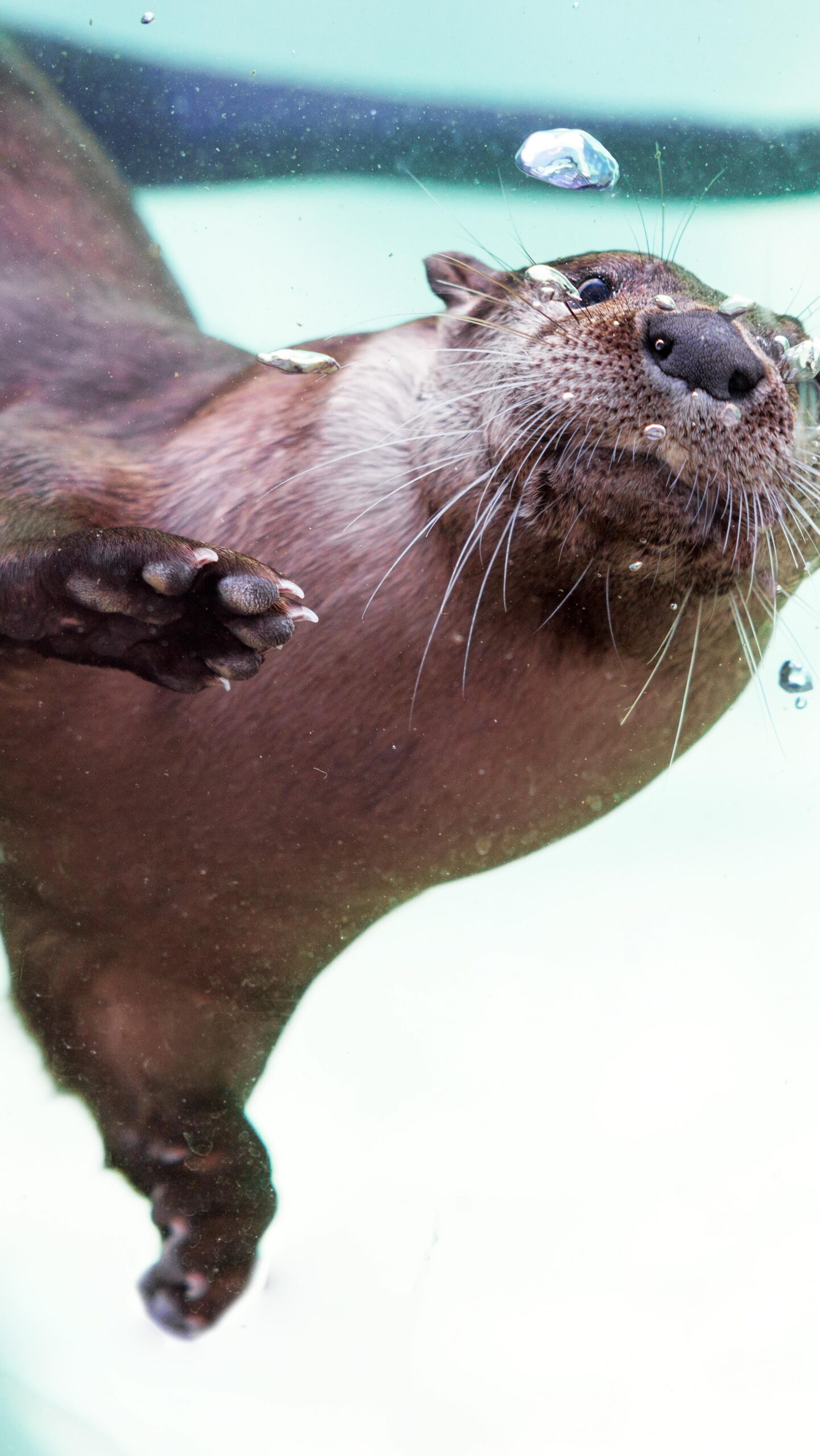
- Understanding the significance of animal behavior and communication in conservation.
- The role of zoos in wildlife education and breeding programs.
- Examining the ethical considerations in zoo management practices.
- The impact of habitat loss on animal populations and conservation efforts.
- Exploring community involvement and citizen science in wildlife preservation.
Animal behavior and communication play crucial roles in understanding and preserving wildlife. Each species has developed unique ways to interact with its environment and with one another. These behaviors are essential for survival, influencing hunting strategies, mating rituals, and establishing social structures within species. For instance, studies of social animals like elephants and dolphins reveal deep emotional bonds and complex forms of communication. Elephants use vocalizations, body language, and even infrasound, which travels long distances, to communicate. Understanding these behaviors can help conservationists create more effective strategies for protecting these species in the wild.
Conservation efforts heavily rely on knowledge derived from animal behavior studies. Understanding species’ needs allows wildlife biologists to create more targeted conservation initiatives. This includes designing protected areas that consider animal migration patterns or nesting sites. Overall, awareness of animal behavior not only enriches our understanding of biodiversity but also informs essential conservation practices.
Zoos have evolved significantly over time. They now serve as vital centers for wildlife education and breeding programs. A modern zoo aims to educate the public about species conservation, offering a closer look at animals that might be difficult to see in their natural habitats. Educational programs can foster a greater appreciation for wildlife, motivating visitors to participate in conservation efforts.
Many zoos also engage in breeding programs for endangered species, helping to bolster genetic diversity and create sustainable populations. These programs often collaborate with other institutions and organizations dedicated to specific conservation goals. For example, the successful breeding of the California condor has brought this species back from the brink of extinction, illustrating how structured breeding programs can make a measurable impact.
Ethics in zoo management is a central concern today. While many zoos aim to provide enriching environments for their animals, the question of animal welfare remains significant. Zoos must navigate the fine line between providing a captivating experience for visitors and ensuring that animals live as natural a life as possible. Enclosures should mimic natural habitats, offering opportunities for animals to express behaviors that are critical for their well-being.
Moreover, ethical considerations include transparency about conservation efforts. Zoos should openly communicate their goals and achievements. This builds trust and fosters a connection between the public and conservation initiatives. Engaging with ethical practices not only strengthens animal welfare but also enhances public perception and support for zoos.
Habitat loss poses one of the most pressing challenges for wildlife conservation today. As urban development, agriculture, and climate change continue to affect ecosystems globally, animal populations suffer immensely. A significant loss of biodiversity occurs as species find themselves without suitable habitats or resources. For example, deforestation in the Amazon rainforest threatens countless species, pushing them closer to extinction.
Conservationists are actively working to combat habitat loss through various strategies. This includes the establishment of wildlife corridors, which connect fragmented habitats, enabling animal movements and genetic exchange. Partnerships among governments, NGOs, and local communities are vital to ensure that conservation efforts directly address the pressing issue of habitat degradation.
Community involvement and citizen science are emerging as powerful tools in wildlife preservation. Engaging local communities fosters stewardship and empowers individuals to take action in conservation efforts. Programs that invite the public to participate in monitoring wildlife, restoring habitats, or participating in educational outreach leverage the knowledge and passion of local residents, creating a deeper connection to conservation.
Citizen science initiatives can provide valuable data on species populations and distributions. This bottom-up approach provides insights into wildlife changes, allowing scientific communities to adapt their strategies effectively. For instance, platforms that allow birdwatchers to submit their sightings contribute to broader ecological understanding, shaping conservation strategies in that region.
Effective conservation requires collaboration across various sectors. From academia to local communities and zoos, a diverse set of stakeholders must come together to confront the myriad challenges facing wildlife. As we become more aware of the intricacies associated with animal behavior, habitat preservation, and ethical management, we can build a stronger base for conservation efforts.
This widespread engagement is crucial in fostering a culture of conservation, encouraging individuals and organizations to come together in the shared goal of protecting wildlife. “She has bewitched us and we love her,” can resonate deep within our collective efforts, reminding us of the awe and admiration that wildlife inspires in us. As more people experience these profound connections through zoos, educational initiatives, or community involvement, the momentum for conservation continues to grow.
By focusing on animal behavior and communication, the significant role of zoos, ethical issues in wildlife management, the challenges associated with habitat loss, and active community participation, we foster a more informed society ready to tackle the pressing challenges of conservation. Understanding these interconnected themes equips us to act and inspires a more profound love and commitment to the diverse species sharing our planet. Conservation is not merely an obligation; it is an ongoing journey of awe and appreciation for the incredible animal kingdom that has indeed bewitched us all.
*****
Source Description
She has bewitched us and we love her. 🥹💙🌟
