
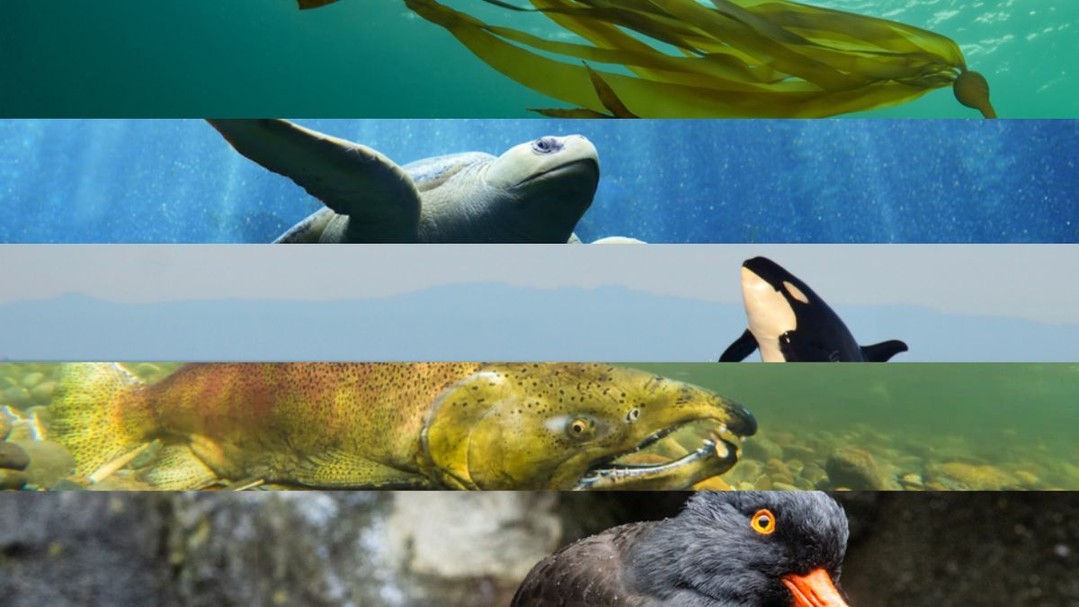
- Highlights of the 2025 Washington State legislative session focusing on marine conservation.
- Successes for kelp forests and their role in ecosystem health.
- Advances for sea turtles through policy changes in Washington State.
- The impact of new legislation on salmon populations and their habitats.
- Continued challenges and opportunities for orcas and seabirds in conservation efforts.
The 2025 Washington State legislative session witnessed considerable efforts in marine advocacy, with significant implications for local ecosystems. Through the lens of various marine inhabitants, this article explores the legislative outcomes and ongoing challenges that define the future of conservation in this region.
Kelp Forests and Their Vital Role
Kelp forests are essential to the marine environment, serving as habitat, food source, and oxygen provider. During the legislative session, policymakers recognized the need for conservation measures that protect these underwater forests. Healthy kelp forests support various marine species and help mitigate climate change by absorbing carbon dioxide. Recent legislative successes included funding for restoration projects and new regulations aimed at curbing pollution that threatens these fragile ecosystems.
The interaction between kelp and marine life is profound. They provide shelter and nursery grounds for species such as fish, invertebrates, and marine mammals. The decrease in pollutants and restoration efforts means improved biodiversity and resilience against environmental changes. This session’s accomplishments mark a pivotal step in ensuring that these underwater guardians continue to thrive and support ocean health.
Sea Turtles and Legislative Advances
Washington State took significant strides in protecting sea turtles during the 2025 session. Advocacy groups pushed for stronger measures to address threats to these ancient mariners, leading to the implementation of new policies that tackle fishing bycatch, habitat destruction, and climate change impacts. These policies are vital for improving survival rates and ensuring safe passage for migrating turtles.
Sea turtles are vital to marine ecosystems, contributing to the health of seagrass beds and coral reefs. Improved conservation policies help maintain the balance within these ecosystems, promoting the diversity and vitality of marine life. Enforcement of regulations related to fishing equipment and practices has reduced accidental captures and deaths, showcasing a significant win for wildlife conservation.
Salmon Habitats and Restoration Efforts
Salmon, an iconic species in the Pacific Northwest, faced substantial focus during the recent legislative session. New initiatives aimed at habitat restoration and improved water quality reflect a growing awareness of the ecological and cultural significance of salmon. Salmon are a keystone species, indicating the health of freshwater systems. Efforts included enhancing river habitats and improving passageways for migrations.
These initiatives directly influence food webs and mitigate the pressures on salmon populations. The continuity of these efforts ensures that salmon continue to support a diverse array of predators, including bears, birds, and humans. Restoration projects financed through recent legislation promise enhanced reproduction and survival rates for salmon, crucial for sustaining this valuable resource.
Challenges for Orcas and Seabirds
Despite legislative successes, challenges remain for orcas and seabirds. The struggling orca populations in Washington waters highlight the need for continued advocacy and innovative solutions. Orcas require healthy prey populations, particularly salmon, clean waters, and undisturbed habitats. While policies supporting salmon indirectly benefit orcas, broader measures must address noise pollution and water contamination.
For seabirds, declining populations call for comprehensive actions aligning with marine conservation goals. Protecting nesting sites, reducing bycatch, and mitigating climate change impacts are vital. Continued research and adaptive management are essential to turn legislative gains into tangible improvements for these species.
The 2025 Washington State legislative session laid a solid foundation for marine conservation but emphasizes the need for sustained efforts and collaboration. By celebrating victories for kelp forests, sea turtles, and salmon, and recognizing ongoing challenges for orcas and seabirds, the session serves as a rallying point for future advocacy and action. Through informed policymaking and community engagement, the path to a healthier marine environment in Washington State is bright.
*****
Source Description
The 2025 Washington state legislative session had a lot of long days, fast-moving advocacy efforts, and a few trips to Olympia to advocate for our marine environment. 🏛🌊
Check out what happened in the imagined voices of some of our marine friends—from some policy wins from the perspective of kelp forests, sea turtles and salmon, and where we need to keep pushing for the orcas and seabirds! Read the full story at the link in bio or story.
