
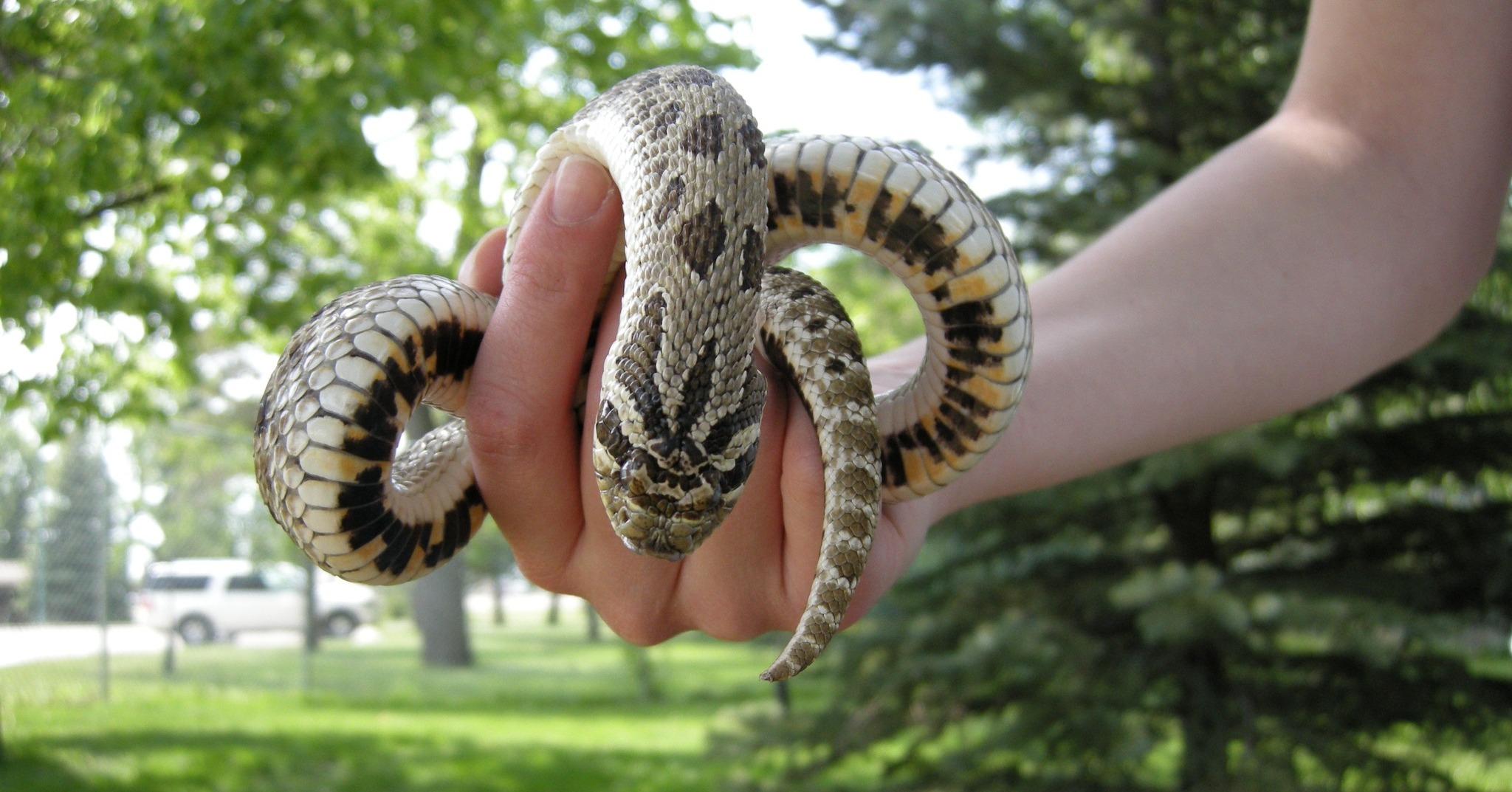
- The significance of the Hognose snake in ecosystems
- Celebrating biodiversity: The role of zoos
- Understanding zoo management and animal care
- Conservation efforts and educational resources
- The importance of birthdays for connecting with wildlife
Habanero the Hognose snake invites you to celebrate a very special occasion today—his eighth birthday! This vibrant and curious creature is not just a precious part of Bramble Park Zoo; he also serves as an ambassador for his species and a reminder of the importance of wildlife conservation. In this article, we will dive into the life of the Hognose snake, the critical role of zoos in conservation, effective zoo management practices, and how you can contribute to protecting these incredible species.
The Hognose snake is often encountered in the grasslands and forests of North America. This species, with its dorsal scales and distinctive upturned snout, plays a vital role in its ecosystem. Hognose snakes primarily feed on amphibians and small rodents, helping to maintain healthy populations of these animals. Predators like hawks and larger snakes also rely on Hognose snakes as a food source.
Habanero’s birthday is not just a celebration; it is also an opportunity to educate people about the Hognose snake and its role in maintaining ecological balance. Understanding these relationships in ecosystems allows us to appreciate the interconnectedness of life on Earth. Each animal, no matter how small, plays a crucial part in sustaining its environment.
Bramble Park Zoo, where Habanero lives, plays an essential role in biodiversity conservation. Zoos today have transformed from traditional menageries into centers for education, research, and conservation. They provide a space for people to learn about different species while promoting conservation efforts. By showcasing animals like Habanero, zoos aim to raise awareness about habitat loss, poaching, and other threats that many species face today.
An integral part of celebrating birthdays like Habanero’s is understanding how zoos manage and care for their animals. Modern zoos focus on creating environments that closely resemble the animals’ natural habitats. This concept is often referred to as “naturalistic” design. Through thoughtful planning, zoos can create spaces that are not only visually stimulating but also cater to the animals’ behavioral and psychological needs.
For instance, Habanero’s habitat is tailored to his natural environment. This includes hiding spots, proper substrate, and appropriate temperature gradients to ensure his comfort. Careful attention is given to his dietary needs, which consist mainly of toads and small rodents. Staff members undergo specialized training to understand animal behavior and ensure that the animals receive the best possible care.
Zoo management extends beyond habitat creation. The importance of veterinary care cannot be overstated. Regular health assessments are crucial in ensuring each animal remains healthy. Zoos employ veterinarians who specialize in exotic animals, providing unparalleled medical attention and care. This focus on health and well-being contributes to the longevity and overall quality of life of animals like Habanero.
Alongside animal care, educational resources play a pivotal role in zoos. They serve as informal learning environments where both children and adults can engage with wildlife. Programs are constantly offered to inspire visitors to view animals in a new light, especially during events like Habanero’s birthday. Interactive activities, talks, and demonstrations enrich the experience and educate visitors about the often-overlooked issues animals face.
Conservation practices in zoos target not only the animals housed within their facilities but also their counterparts in the wild. Many zoos collaborate with conservation organizations globally to work toward protecting endangered species and restoring habitats. Through breeding programs, zoos aim to boost population numbers of threatened species, and some have reintroduced animals back into their native environments.
As Habanero celebrates his eighth birthday, it is also a celebration of the conservation efforts that help protect his species. The collaborative partnerships and scientific research conducted by zoos contribute directly to the survival of many animal species. Educational programs raise public awareness, encouraging visitors to engage in conservation actions like reducing plastic usage, supporting wildlife protection legislation, and advocating for responsible pet ownership.
The celebration of birthdays in a zoo context serves another purpose as well. It creates a bond between people and animals, fostering empathy and interest in wildlife conservation. When children and families come together to celebrate Habanero’s birthday, they build memories that can inspire lifelong respect for animals and the natural world. The excitement of encountering a snake’s birthday party can spark curiosity and lead to a deeper understanding of biodiversity and ecological issues.
Additionally, educational outreach beyond the zoo can play a massive role in conservation efforts. Many zoos develop school programs that bring students in for hands-on learning experiences. These programs encourage students to participate in environmental science and even inspire future careers in wildlife conservation and research. Direct experiences with animals broaden perspectives and cultivate a sense of responsibility toward protecting wildlife.
On Habanero’s special day, it is vital to remember that every birthday celebration has the potential to create a positive impact. By attending such events, people actively participate in supporting conservation efforts. Ticket sales often contribute to vital funding for wildlife programs, habitat preservation, and research initiatives.
Moreover, attending these events gives participants an opportunity to engage in critical conversations about wildlife. Understanding how human actions affect fractures in ecosystems is crucial for safeguarding biodiversity. Many species, including the Hognose snake, face issues related to climate change, habitat degradation, and pollution. Events that bring together people and animals can highlight these concerns and mobilize action.
For those eager to take further steps in supporting wildlife, various organizations work tirelessly toward preservation and conservation. Donating to reputable wildlife charities or volunteering with local conservation groups can provide powerful avenues for contributions. Every effort counts, no matter how small, when it comes to protecting endangered species and their habitats.
Through celebrations like Habanero the Hognose snake’s birthday, participants can enjoy themselves while simultaneously fostering a greater awareness of wildlife conservation. The joy of observing these marvelous animals can increase empathy, prompting actions that support their continued existence.
As visitors gather to celebrate, they become part of the ongoing narrative of Hiss-tory in the making. Each birthday, each visitor, and every act of kindness contributes to the larger story of wildlife protection. The opportunity to connect with animals leaves a lasting impact that echoes beyond the confines of the zoo.
Every visit to Bramble Park Zoo teaches essential lessons about the intricate balance of ecosystems. As we explore Habanero’s habitat and interact with this exceptional creature, we gain insight into the importance of preserving the beauty and diversity of wildlife. Let Habanero’s eighth birthday serve as a reminder that every action counts, and together, we can help write a future rich in biodiversity and health for the planet.
*****
Source Description
Hiss-tory in the making… it’s my birthday! 🐍🎉
I just turned 8 years old today, and I’d ssss-love for you to stop by Bramble Park Zoo and celebrate with me on my special day. You’ll find my habitat slitheringly close to the entrance—one of the very first stops when you enter the zoo.
Come say hello and help me make my birthday extra hiss-tastic!
Sssss-incerly, Habanero the Hognose Snake
