
- The impact of hyperphagia on Florida black bears during the winter months.
- The physiological changes that occur in bears as they prepare for winter.
- Understanding torpor: its significance and how it supports bear survival.
- The role of wildlife conservation in protecting bear habitats and their food sources.
- Tools and techniques used by zookeepers to monitor bear health and well-being.
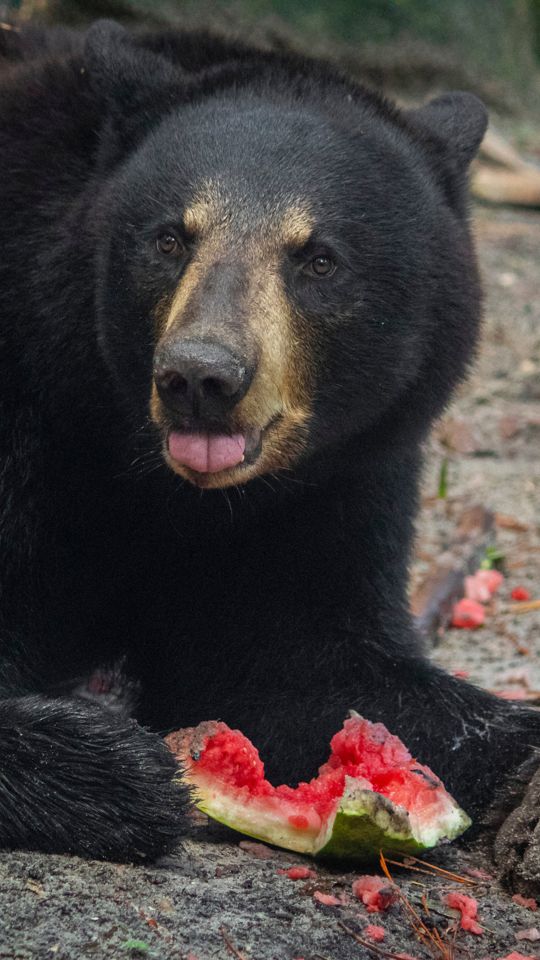
As the holidays approach, many of us indulge in an abundance of festive foods. Interestingly, this seasonal behavior has its parallel in the animal kingdom, particularly among the Florida black bears. Right now, our three resident bears are experiencing hyperphagia, a phenomenon that occurs during this time of year when they eat significantly more to prepare for their long winter rest. This article explores the intricacies of hyperphagia and the physiological processes that bears undergo in anticipation of the winter months.
Hyperphagia is primarily a response to seasonal changes. Florida black bears often increase their food intake in late summer and fall, driven by instinctual patterns. During this period, they consume a wide variety of foods, including fruits, nuts, and other plant materials. This behavior prepares them for the colder months, during which food resources become scarce. Their bodies respond to the change in available food by ramping up calorie consumption to lay down fat reserves. In fact, a bear can gain up to 30% of its body weight during this time.
The physiological changes that accompany hyperphagia are quite fascinating. Bears have a unique digestive system that allows them to efficiently process large quantities of food. As they consume high-calorie foods, they are not merely eating to satisfy hunger; they are preparing their bodies for a state of dormancy. This increase in body fat is critical for maintaining metabolic functions when food becomes unavailable. Additionally, bears have specialized enzymes to break down complex carbohydrates, allowing them to extract energy from their stalks and leafy greens. Body temperature regulation also becomes vital during this period, as bears adapt to fluctuating environmental conditions.
Furthermore, as they build up their fat reserves, behavioral changes are evident. Bears become less active, spending more time foraging and resting. This shift is a precursor to torpor, the physiological state that bears enter as winter progresses. Unlike true hibernation, torpor is a lighter form of dormancy. In this state, they experience reduced metabolic rates while maintaining some level of awareness, which helps them respond to environmental changes. During torpor, bears may occasionally awaken to eat or drink if necessary, but their primary goal is to conserve energy.
The significance of torpor cannot be overstated. During this state, bears depend on their stored fat reserves to survive the winter months. This adaptation is particularly important in regions where food sources are limited in winter, which is a common occurrence in habitats affected by climate change. When resources are scarce, bears might not have access to the nutrients and calories needed for survival. The ability to enter torpor enables them to withstand these harsh conditions.
As wildlife enthusiasts and conservationists, it is crucial to understand the implications of habitat preservation for the Florida black bear population. These bears require extensive territories rich in diverse food sources, and urban expansion threatens their habitat. Conservation efforts must focus on protecting areas where bears can thrive, ensuring that they have access to their natural food sources year-round.
Zookeepers play an essential role in monitoring the health and well-being of bears in captivity. For example, zookeeper Mallory has extensive training in animal care and behavioral assessment. She observes the bears’ activity levels, dietary intake, and overall health. This close monitoring allows her to identify any potential issues early on. Zookeepers employ various tools to help track the bears’ physical condition, including weight measurements and food intake logs. They may also conduct regular health checks, which include evaluations of fur quality, dental health, and physical coordination.
In captivity, the bears are provided with a simulated natural environment that includes opportunities for climbing, digging, and foraging. This enrichment not only keeps them engaged but also promotes natural behaviors that are essential for their overall health. Zookeepers may also modify their diet based on observations during hyperphagia, ensuring the bears receive high-calorie options to mimic their wild counterparts.
The interconnection of wildlife, habitat, and conservation measures underscores the importance of education and advocacy. Protecting Florida black bears necessitates community involvement and public awareness campaigns that highlight the need for ecosystems that support wildlife populations. By participating in local conservation initiatives, the public can contribute to efforts that make a significant difference in bear habitats.
In summary, hyperphagia is an essential phase in the life of Florida black bears as they prepare for the challenges of winter. Understanding this aspect of their behavior not only enlightens us about their ecology but also emphasizes the critical need for conservation. As we indulge in our holiday feasts, let us also champion the well-being of our bears and support initiatives for their preservation. We share this planet with these magnificent creatures, and our actions can play a pivotal role in their survival. Through understanding and education, we can foster a deeper respect for wildlife and advocate for their protection in a rapidly changing world.
*****
Source Description
The holidays are here, which means you might be stuffing your plates with a few extra calories. The same is true for our bears! 🐻
Right now, our three resident Florida black bears are experiencing hyperphagia, a time when they’re eating lots of extra snacks as they bulk up for their long winter rest. In a few weeks, they’ll settle into torpor, a period of increased lethargy to conserve energy when resources are scarce in their natural range.
Learn more from keeper Mallory about what our bears are experiencing during this time. ❄️
