
- The significance of visiting zoos during holiday weeks
- The role of capybaras and bongos in zoo environments
- Contributions of zoo visits to global conservation efforts
- Educational programs and activities for zoo visitors
- Understanding animal welfare standards in modern zoos
Visiting a zoo during the holiday week can be more than just a fun outing. It offers an enriching experience that enhances understanding of wildlife and conservation. Many families take advantage of this time to explore, learn, and appreciate the world’s diverse animal species. Observing creatures like the capybara and bongo not only entertains but educates visitors about their habitats, behaviors, and the environmental challenges they face.
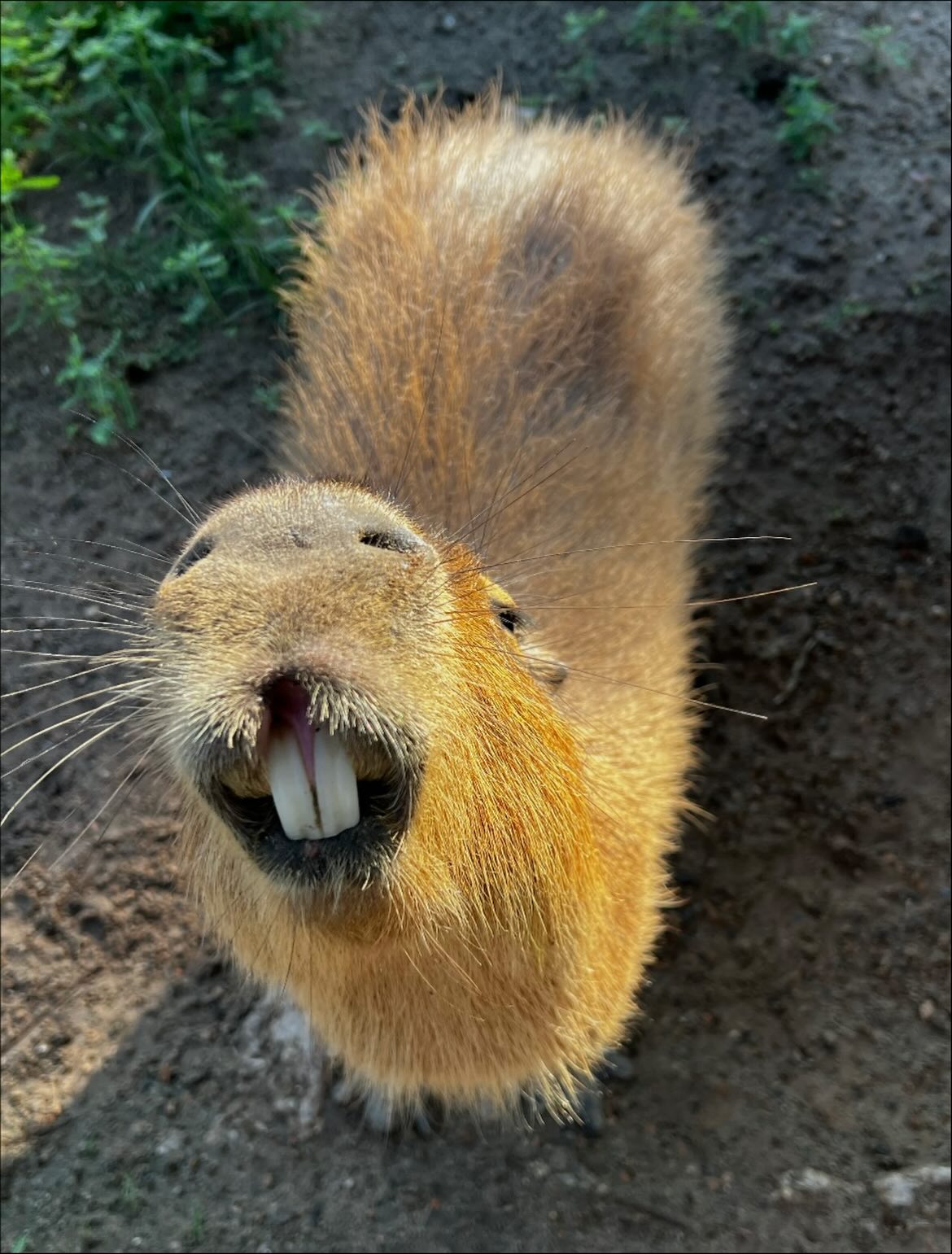
Capybaras, the largest rodents in the world, can often be seen lounging by the water’s edge at the zoo. Their sociable nature makes them a favorite among guests. Native to South America, these animals thrive in wetlands and are semi-aquatic. They play an essential role in their ecosystems, helping to maintain vegetation and serve as prey for larger predators. Understanding their habits and social structures can provide insight into the biodiversity of freshwater ecosystems. Interaction with these animals encourages visitors to think about habitat preservation and sustainable practices.
Bongos, on the other hand, are striking antelopes that hail from the forests of Africa. Their magnificent reddish-brown coats and white stripes make them one of the more beautiful members of the antelope family. They are primarily nocturnal, making them somewhat elusive in the wild. Zoos create environments that emulate their natural habitats, making it possible for guests to learn about their dietary needs, social behaviors, and the threats they face from poaching and habitat loss. Observing these magnificent creatures in a zoo setting fosters an appreciation for biodiversity and the importance of conservation efforts aimed at protecting endangered species.
Every ticket purchased to enter a zoo provides vital funding that contributes to global conservation initiatives. Zoos often partner with more than 30 organizations focused on wildlife protection and habitat restoration. These collaborations support various projects, from anti-poaching efforts in Africa to reforestation initiatives in South America. Providing financial resources to these organizations allows them to carry out critical work that targets species at risk of extinction. For instance, funds may assist in breeding programs for endangered species or efforts to restore degraded habitats.
Zoos also serve as critical educational platforms. Many provide educational programs aimed at various age groups, enhancing the visitor experience while imparting essential knowledge about animal behaviors, ecosystems, and conservation. Workshops, guided tours, and interactive exhibits help engender a deeper understanding of how human actions impact wildlife. Engaging with knowledgeable staff can lead to meaningful conversations about ecological issues, prompting visitors to reflect on their roles in protecting the environment.
Visitor interaction with animals extends beyond mere observation. Many zoos offer behind-the-scenes opportunities to learn more about the actual care provided to the animals. Zookeepers often conduct educational talks and demonstrations, allowing visitors to see firsthand the animals’ diets, habitats, and health management. This transparency promotes awareness about animal welfare and the commitment required to ensure the animals thrive in captivity. Understanding the high standards of care mandated by modern zoos encourages visitors to support ethical practices concerning animal management.
Conservation is a fundamental aspect of what zoos aim to achieve. They not only provide safe havens for endangered species but also play a crucial role in educating the public about the threats these animals face. Many species are losing their homes due to deforestation, pollution, and climate change. By showcasing these animals, zoos help raise awareness about their plight, inspiring individuals to take action. This may include advocating for policies that protect wildlife habitats or participating in community-based conservation efforts.
The holiday week brings a surge in attendance, providing an opportune moment for zoos to emphasize their missions. Many visitors are families looking for enjoyable activities that can also have an educational component. This alignment of fun and learning allows zoos to reach a broader audience, fostering a community dedicated to conservation. Interactive programs are often designed to engage children and adults alike, making the experience both enjoyable and impactful.
It’s important to note how the approach to animal care has evolved significantly over the years. Modern zoos adhere to rigorous animal welfare standards aimed at providing a high quality of life for all species in their care. Enrichment activities are integrated into daily routines, ensuring animals can exhibit natural behaviors. This includes providing them with toys, puzzles, and varied diets to stimulate their minds and bodies. The combination of physical space and behavioral opportunities is crucial for the psychological well-being of these animals.
As visitors explore the zoo’s many exhibits, they can appreciate the efforts made to create customized habitats that closely resemble the animals’ natural environments. Thoughtful designs reflect an understanding of the specific needs of each species. Whether it’s temperature control, landscaping, or water features, these details play a significant role in both animal quality of life and educational outcomes for visitors.
The educational value of visiting a zoo reaches far beyond the exhibition of animals. Each experience is designed with the goal of fostering empathy and understanding for wildlife. Through various outreach programs, zoos gain opportunities to extend their missions into schools, communities, and social media platforms. These initiatives promote dialogue about conservation, encouraging individuals to become ambassadors for wildlife protection in their daily lives.
During the holiday season, zoo-goers are often encouraged to participate in special activities or themed events that highlight various aspects of conservation and animal care. From art installations to interactive exhibits, there’s no shortage of ways to engage the public in meaningful dialogue about wildlife. Utilizing seasonal decorations and festive themes, zoos can create a lively atmosphere that captivates and educates.
In addition to festivities, the importance of conservation partnerships cannot be overlooked. These collaborations facilitate global conservation programs that address pressing environmental challenges. Whether working alongside local communities in habitat restoration or supporting research initiatives on endangered species, zoos act as catalysts for change. Each collaboration reinforces the message that conservation requires a collective effort to protect wildlife across the globe.
Furthermore, those visiting during holiday weeks can often find seasonal promotions that feed directly back into conservation initiatives. Many zoos provide specific days where proceeds from ticket sales go directly to specific conservation projects. This not only underlines the importance of financial support for wildlife initiatives but also creates a direct link between visitors’ experiences and tangible benefits for wildlife.
Children especially benefit from these experiences, as firsthand encounters with animals can solidify their understanding and appreciation for biodiversity. Offering workshops tailored for younger audiences aids in developing the next generation of conservationists. These educational initiatives may include hands-on activities, storytelling that emphasizes animal protection, and discussions that empower children to think critically about environmental stewardship.
In equal measure, adult visitors also find value in engaging discussions offered by conservation biologists, ecologists, and veterinarians present during special events. Learning about conservation efforts first-hand, including insights into animal behavior, breeding programs, and ongoing projects, can inspire individuals to take action in their own communities. Moreover, these conversations often lead to lasting commitments towards eco-friendly practices and wildlife advocacy, extending far beyond a day at the zoo.
Zoos are not just places for recreation and enjoyment; they are crucial institutions in the fight for wildlife survival. The holiday week is a prime time for families to engage with wildlife, turn casual visits into educational experiences, and reflect on their roles in protecting the planet. Understanding the complexities of conservation requires community engagement, and zoos are positioned as essential hubs for promoting this engagement throughout the year.
As families plan their holiday activities, visiting a zoo to see animals like capybaras and bongos not only contributes to personal enjoyment but also plays a part in global efforts to conserve wildlife. Every ticket purchased, every educational program attended, and every interaction with zoo staff helps build awareness and support crucial conservation initiatives. Such visits foster a connection to nature and inspire long-term commitment to protecting the planet’s biodiversity.
*****
Source Description
TFW the holiday week hits 😎✨
Swing by the Zoo to see our capybara, bongo, and many other amazing animals from around the world. Bonus: Every time you visit, part of your ticket helps support 30+ conservation partners across the globe.
📸: Hoofstock Team
