
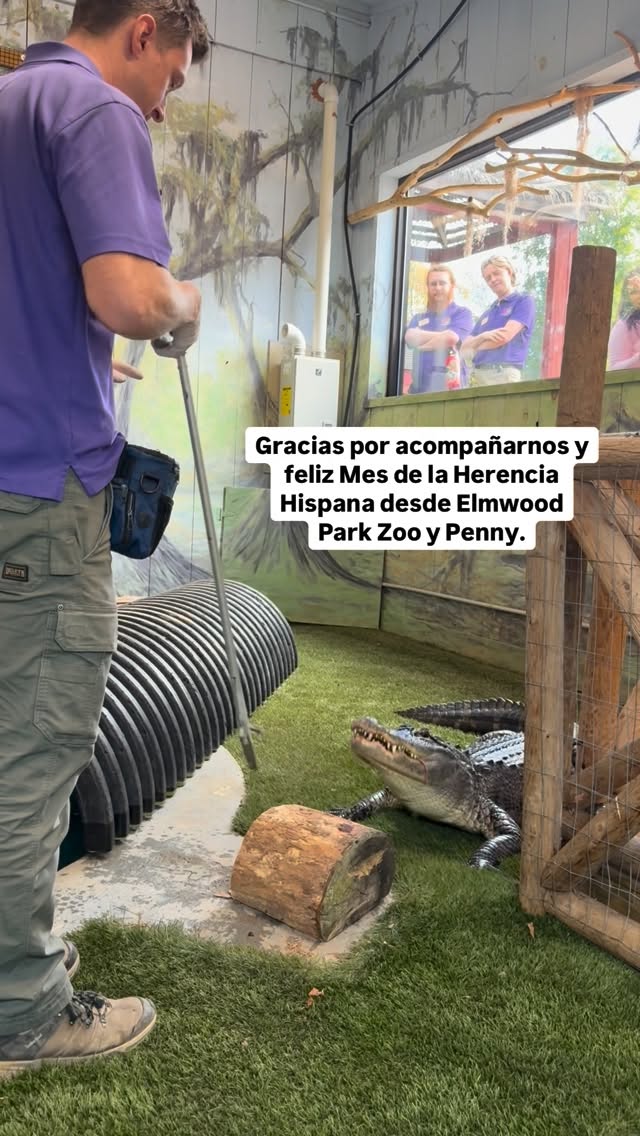
- Importance of Hispanic Heritage Month and its celebration.
- The role of language in animal care and training.
- Tim’s commitment to bilingual communication in animal care.
- Benefits of training animals for veterinary procedures.
- The significance of veterinary health checks and routine procedures.
Hispanic Heritage Month is an opportunity to honor the contributions of Hispanic and Latino communities to society and culture. Celebrated in the United States from September 15 to October 15, this month recognizes the diverse cultures, histories, and experiences of individuals from Spanish-speaking countries. It serves as a reminder of the richness that multilingualism brings to various fields, particularly in animal care where effective communication enhances the welfare of animals.
In animal care and training, language plays a pivotal role. Clear communication ensures that caretakers can effectively train animals, helping them to become comfortable with various procedures, especially veterinary checks. Training an animal to respond to commands in a specific language can significantly ease the stress that often accompanies medical procedures. For example, in this training session with Tim and Penny, the focus was on helping Penny the animal understand the command to keep her head on a log, a key behavior for her continued health and safety during routine veterinary checks.
Tim’s background in Spanish started in middle school and progressed through high school and college. His experiences in Spanish-speaking countries like Spain, Mexico, and Nicaragua allowed him to practice and refine his language skills. This ability not only fosters better communication with colleagues but also enhances the trust and rapport between caretakers and the animals in their care. Tim exemplifies how knowledge of another language can break down barriers, making it easier for caretakers to implement essential procedures that can positively affect animal well-being.
Training sessions, such as the one conducted by Tim, are vital for preparing animals for veterinary visits. Animals often experience anxiety in unfamiliar environments, especially during medical examinations. By training Penny to maintain her head on the log for extended periods, caregivers can ensure a smoother veterinary experience. The training is not just about getting the animal to comply; it is about creating a safe space where the animal can feel comfortable and less stressed. Animals trained in a familiar environment and language are less likely to resist the handling of procedures, leading to improved outcomes for their health.
Training for routine veterinary checks includes getting animals accustomed to being handled and examined. This involves desensitizing them to touch and examination processes. Such preparation is crucial, as it can reduce the need for sedatives or other stress-inducing interventions during actual veterinary procedures. The more the animal associates the training environment and command with positive experiences, the more likely it will cooperate when it matters most.
Veterinary checks are indispensable for maintaining the overall health of animals. Regular examinations can detect health issues early, ensuring that animals receive appropriate care before conditions evolve into more serious problems. Well-trained animals like Penny are more manageable during these checks, which can result in quicker assessments and fewer complications during necessary procedures. This ultimately leads to healthier, happier animals, which is the core goal of all animal care professionals.
Hispanic Heritage Month underscores the importance of cultural appreciation and diversity. This celebration highlights that animal care professionals come from various backgrounds, enriching the field with different perspectives. In this case, Tim’s ability to communicate in Spanish reinforces the significance of bilingualism. It not only helps in interactions but also encourages a more inclusive environment that values diverse contributions.
The session recorded with Tim, Penny, and Interactive Keeper Maddie serves as a practical demonstration of how various skills can be integrated into animal training programs. The collaborative effort displayed during this training showcases how teamwork in animal care settings can lead to successful outcomes. Each member plays a crucial role, whether it’s in implementing training or documenting the process for educational purposes.
The legacy of Hispanic contributions to professions, including veterinary care and animal husbandry, reflects a broader narrative of community and resilience. By showcasing these contributions, organizations involved in animal care illustrate their commitment to inclusivity. This not only enriches the workforce but also the standard of care that animals receive. The training video created with Tim is a testament to harnessing diverse talents to achieve a common goal: ensuring animal welfare.
Through training sessions like this, care providers can reinforce best practices, establish positive interactions, and cultivate a supportive environment for animals. The bilingual approach enhances the connection between animal and caretaker, fostering an atmosphere conducive to learning and adaptation. Caretakers are likened to educational guides, shaping the everyday experiences of the animals they care for.
Equipping animals for a variety of situations drastically alters the interaction’s dynamics. Tim’s bilingual training with Penny is an exemplary approach that other caretakers can adopt. When animals are comfortable with commands in their training language, they may respond more positively to instructions during critical moments. Such preparedness reduces adversities encountered during times of medical need.
Veterinary professionals rely on animal cooperation for various procedures, including vaccinations, blood draws, and physical examinations. The potential for injury to both animal and caregiver decreases when animals are trained effectively. The commitment to providing training in Spanish for animals, as seen with Tim and Penny, exemplifies how cultural elements can be blended seamlessly into practical applications in animal care.
Furthermore, bilingual communication can enhance educational outreach. As institutions seek to engage with diverse communities, offering resources and training in multiple languages becomes indispensable. This aligns with the ethos of community engagement often seen in successful animal care organizations. By nurturing understanding and promoting access through language, organizations can enhance their impact on public awareness regarding animal welfare.
In evaluating the training objectives, it is vital to recognize the broader scope of animal welfare advocacy. Professionals in animal care have the responsibility to advocate not just for the animals in their charge but also for educational initiatives that elevate public understanding of responsible pet ownership. The bilingual approach, as illustrated in the training with Tim, serves as a model for promoting this knowledge. Practitioners who can communicate effectively across cultures can mobilize support for critical issues surrounding animal welfare and conservation.
Incorporating Hispanic heritage into training and educational practices honors the diverse backgrounds of both caretakers and learners. It encourages a cross-cultural dialogue that promotes mutual learning and respect. The successes of individuals like Tim demonstrate what’s possible when multiple skills converge—language proficiency in this case—enhancing the overall experience for both animals and caregivers.
The integration of language, culture, and animal welfare highlights a forward-thinking approach to animal care. As organizations aim to attract diverse talent and provide inclusive environments, they must prioritize multilingual training opportunities. This depth of consideration brings benefits to the entire animal care community and advances the mission of public service.
The celebration of Hispanic Heritage Month provides a crucial framework for understanding how diversifying care practices can lead to improved outcomes in animal welfare. Tim’s contributions through his training sessions illuminate the connection between language and care, forming an essential strategy not just for Penny but for animals across every establishment dedicated to welfare.
Each training session can serve as an inspiration for others in the field, prompting them to think about how they can improve animal welfare through communication strategies that respect and incorporate cultural identities. By placing an emphasis on bilingual training, caretakers commit to fostering a more inclusive atmosphere that recognizes the diverse voices in animal care.
In striving to improve animal health and the relationship between animals and caretakers, it is imperative to acknowledge the broader implications of these training practices. Let us continue to celebrate cultural diversity not just during Hispanic Heritage Month but as an ongoing commitment to enriching the frameworks of our animal care practices.
*****
Source Description
En honor al último día del Mes de la Herencia Hispana, le pedimos al cuidador Tim que impartiera una sesión de adiestramiento con Penny en español.
El objetivo de este adiestramiento es que Penny mantenga su cabeza sobre el tronco durante un periodo prolongado de tiempo, lo que permite a nuestro personal veterinario realizar con seguridad los procedimientos rutinarios.
Tim comenzó a aprender español en la escuela secundaria y el instituto, y continuó en la universidad. A lo largo de su vida, visitó varios países de habla español, como España, México y Nicaragua, donde pudo practicar el idioma.
¡Gracias a Tim por colaborar con nosotros en este vídeo para el Mes de la Herencia Hispana y a la cuidadora interactiva Maddie, que ayudó a Tim y a nuestro equipo de marketing a crear este vídeo!
————————-
In honor of the last day of Hispanic Heritage Month, we asked caregiver Tim to teach a training session with Penny in Spanish.
The objective of this training is for Penny to eventually learn to keep her head on the log for an extended period of time, which will allow our veterinary staff to safely perform routine procedures on her.
Tim started learning Spanish in middle and high school, and continued in college. Throughout his life, he visited several Spanish-speaking countries, such as Spain, Mexico and Nicaragua, where he was able to practice the language.
Thanks to Tim for collaborating with us on this video for Hispanic Heritage Month and to Interactive Keeper Maddie, who helped Tim and our marketing team create this video!
