
- Cleveland Metroparks Zoo’s historical role in trumpeter swan conservation
- The current collaborative efforts with the Association of Zoos and Aquariums
- The significance of releasing cygnets to bolster wild populations in Oregon
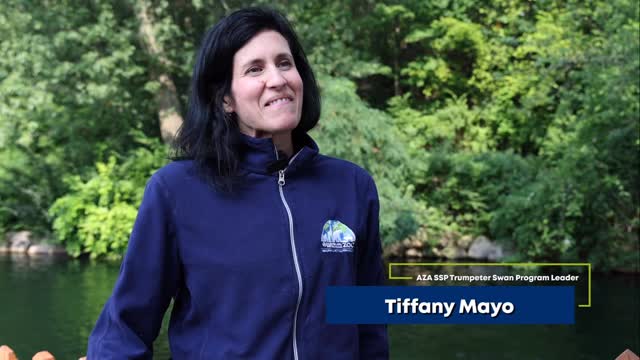
- Personal experiences of Animal Keeper Tiffany Mayo during the swan release
- The broader implications of trumpeter swan conservation on ecosystem health
Cleveland Metroparks Zoo has long been a cornerstone in conserving the trumpeter swan. These swans, once facing near extinction due to habitat loss and hunting, have been at the forefront of the zoo’s conservation efforts for decades. The zoo has committed itself to educating the public about the plight of these iconic birds while actively participating in their restoration. The zoo’s dedication to the trumpeter swan includes breeding programs, habitat preservation initiatives, and advocacy for their protection in the wild.
Supporting trumpeter swan conservation at Cleveland Metroparks Zoo involves collaboration with the Association of Zoos and Aquariums (AZA), which has developed a comprehensive Trumpeter Swan Species Survival Plan. This collaborative effort brings together zoos and conservation organizations that focus on maintaining the genetic diversity of the species. Through breeding programs, institutions like Cleveland Metroparks Zoo are helping to ensure that these birds are not only saved from extinction but also effectively reintroduced into their natural habitats. The genetic health of the population is paramount, as it allows for more robust and adaptable swan populations.
The current focus of this partnership extends to central Oregon, where groundwork is being laid for the reestablishment of wild trumpeter swan populations. The conservation team is working diligently to send baby swans, known as cygnets, from Cleveland to Oregon. This process involves careful planning and collaboration with local wildlife officials, ensuring that the birds are adequately prepared for life in the wild. The return of these cygnets to Oregon is more than just a simple transfer; it symbolizes a commitment to restoring a species that has been decimated by human actions.
Participating in this program, Animal Keeper Tiffany Mayo’s experiences highlight the personal connection between caretakers and the animals they work to protect. Earlier this year, she traveled to Oregon to witness the release of the cygnets into their new environment. Mayo’s firsthand observations underscore the emotional and scientific significance of the event. Watching the young swans take their first steps into the wild encapsulates the hard work and determination that goes into such conservation efforts. It illustrates a moment that merges scientific endeavor with a deep-seated passion for wildlife.
Beyond the immediate impact on local swan populations, the conservation of trumpeter swans carries far-reaching implications for the ecosystems they inhabit. Swans play a critical role in maintaining the health of wetland environments. As herbivores, they consume aquatic vegetation, influencing plant community dynamics and nutrient cycling. Their presence in an ecosystem can enhance biodiversity, which is essential for ecological stability. Therefore, the work undertaken by Cleveland Metroparks Zoo is not just about saving a single species; it is about fostering entire ecosystems that benefit from the return of wildlife.
As these conservation strategies continue to unfold, public education remains a vital component of Cleveland Metroparks Zoo’s mission. The zoo organizes programs aimed at raising awareness about trumpeter swans and the greater context of their conservation. Educational efforts target various audiences, ranging from schoolchildren to adults, emphasizing the importance of understanding human interactions with nature. Knowledge is key to inspiring future generations to participate in conservation efforts.
The long-term impact of conserving trumpeter swans is evident in the greater narrative of wildlife management. For the past century, this majestic bird has become synonymous with resilience and recovery due to the efforts of dedicated organizations like Cleveland Metroparks Zoo. Many people often overlook how wildlife conservation is interwoven with social and economic factors. The successful restoration of trumpeter swans not only reflects biodiversity achievements but also serves as a reminder of the importance of collaboration across multiple sectors.
The journey of trumpeter swan restoration continues to evolve, and Cleveland Metroparks Zoo has firmly positioned itself as a leader in this vital endeavor. The work that takes place resonates throughout the conservation and zoology communities, addressing the interconnectedness of all living things. By concentrating on trumpeter swans, the zoo promotes the larger principle of stewardship for our environment.
Monitoring the progress of released cygnets is equally important. Field observations and the implementation of tracking measures are necessary steps to ensure that these swans make a successful transition into the wild. Scientists and wildlife biologists often use advanced techniques like radio telemetry to monitor movement patterns and survival rates. Data gathered not only informs future releases but also contributes to the academic understanding of species recovery efforts.
The narrative of trumpeter swans is also steeped in cultural history. For many Indigenous communities, the swan carries a rich symbolic significance. Including these perspectives in conservation conversations fosters a holistic understanding of why these species deserve protection. By honoring traditional knowledge alongside scientific research, conservationists can come together in a unified effort.
The collaborative nature of these conservation programs reflects a growing recognition of the importance of partnerships in wildlife management. Every stakeholder, from local governments to non-profits, plays a role in creating a sustainable future for species. The fact that Cleveland Metroparks Zoo is part of this network speaks volumes about the focus on creating lasting solutions that benefit both wildlife and their habitats.
Cleveland Metroparks Zoo’s involvement with trumpeter swan conservation extends beyond local ecosystems. Each successful swan return adds layers to global conservation efforts aimed at restoring and protecting biodiversity. By sharing knowledge and resources with other regions struggling with similar issues, the zoo broadens its impact amid an ongoing global conservation challenge.
Each cygnet released into Oregon symbolizes hope—a hope for recovery not just for trumpeter swans but for countless other species facing critical threats. The dual approach of breeding programs and habitat restoration is vital to achieve meaningful results. Zoos, like Cleveland Metroparks, are evolving into centers for conservation and education, targeting species survival through a model that embraces innovation and collaboration.
Through these dedicated efforts, Cleveland Metroparks Zoo has established itself as an exemplary model in the field of wildlife conservation. The ongoing story of the trumpeter swan is a testament to the power of resilience, both of species and of communities united towards a common goal. Each step taken toward restoring swans represents a commitment not only to the birds themselves but also to maintaining the integrity of our natural ecosystems.
As awareness around conservation grows, Cleveland Metroparks Zoo’s work with trumpeter swans serves as a powerful reminder of the critical role we all play in ensuring that species flourish for future generations. By investing in the health of wildlife today, we build a foundation for biodiversity that is essential for the well-being of our planet. Through ongoing education and collaborative initiatives, we pave the way for a collective future where iconic species like the trumpeter swan can thrive once more.
*****
Source Description
Cleveland Metroparks Zoo has supported trumpeter swan conservation for decades, helping to bring back this iconic local species from near extinction. Currently, we are working closely with the Association of Zoos and Aquariums Trumpeter Swan Species Survival Plan to help restore swans to central Oregon, including sending baby swans, or cygnets, to Oregon to help bolster wild populations. Animal Keeper Tiffany Mayo traveled to Oregon earlier this year to participate in the release and see the swans join their wild counterparts!
