
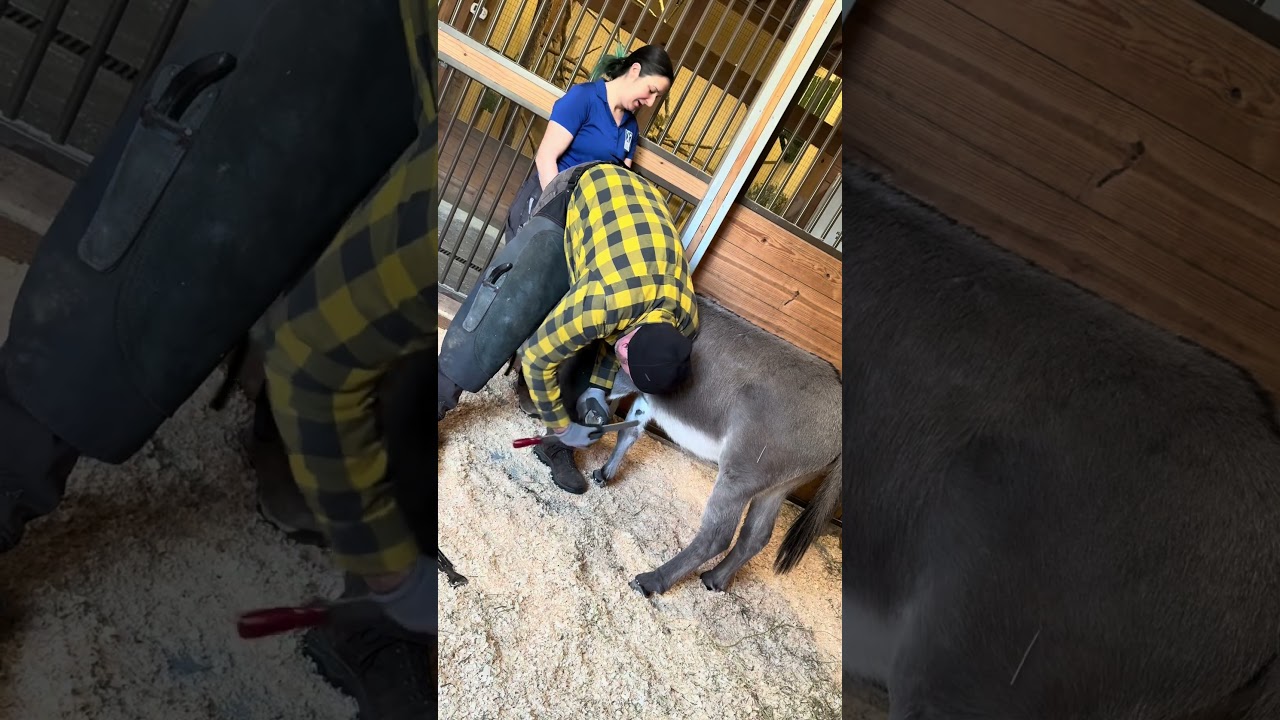
- The importance of donkey hoof trims for health and mobility.
- Understanding the anatomy of a donkey’s hoof and common issues.
- Techniques and tools used in donkey hoof trimming.
- Environmental and conservation considerations in donkey care.
- Role of hoof care in zoo management and wildlife conservation.
Caring for a donkey’s hooves is an essential part of maintaining their overall health and mobility. Just like other hooved animals, donkeys require regular hoof trims to prevent issues such as overgrowth, uneven wear, and infections. A lack of proper hoof care can lead to severe health problems, impacting a donkey’s ability to move comfortably and perform natural behaviors.
Understanding the anatomy of a donkey’s hoof is crucial in showcasing its care. The hoof consists of several components, including the outer wall, sole, frog, and digital cushion. Each plays a vital role in protection and shock absorption. Problems often stem from poor trimming or environmental conditions, leading to conditions like laminitis, thrush, or white line disease. Recognizing the signs of hoof issues early is critical for effective treatment and prevention.
Techniques and tools used in donkey hoof trimming are diverse and must be applied with precision. Farriers often use nippers, rasps, and knives to trim and shape the hoof. The objective is to maintain a balanced hoof that supports the donkey’s weight evenly. The process requires expertise to avoid injury and ensure that the hooves are cut to the correct length and shape. Regular trimming should occur every six to eight weeks, depending on the donkey’s environment and workload.
Environmental and conservation aspects of donkey hoof care should not be overlooked. Donkeys are often used in agricultural settings and may be exposed to uneven terrain that influences hoof wear. Understanding these environmental factors allows caretakers to implement strategies that prevent unnecessary hoof damage. Sustainable management practices can be adopted in both domestic and conservation settings, ensuring these animals remain healthy and functional.
The role of hoof care extends to zoo management and wildlife conservation. In zoos, donkeys and other hooved animals require consistent care to thrive in captivity. This involves employing trained professionals who understand the specific needs of different species. Proper hoof care in captivity is integral to emulating natural conditions and fostering animal well-being. Additionally, knowledge gained from domestic horse and donkey care is valuable in wildlife conservation efforts, where rehabilitation and reintroduction programs may involve similar hoof care practices.
Overall, donkey hoof trims are not just a routine task but a significant component of their care. Accurate and regular hoof maintenance positively influences their quality of life. Supporting healthy hooves enables donkeys to be active, reducing stress and improving overall health. Proper education and training in hoof care are vital for anyone involved in the care, management, or conservation of these animals. Through continued development and application of professional hoof care practices, we can enhance their welfare across various environments.
*****
Source Description
Nermal and Maureen were due for their pedicures! 🫏💅
Today they both received hoof trims from the farrier as part of their preventative care. Regular hoof trims help prevent pain, support healthy movement, and keep our donkeys comfortable and happy! 😊
