
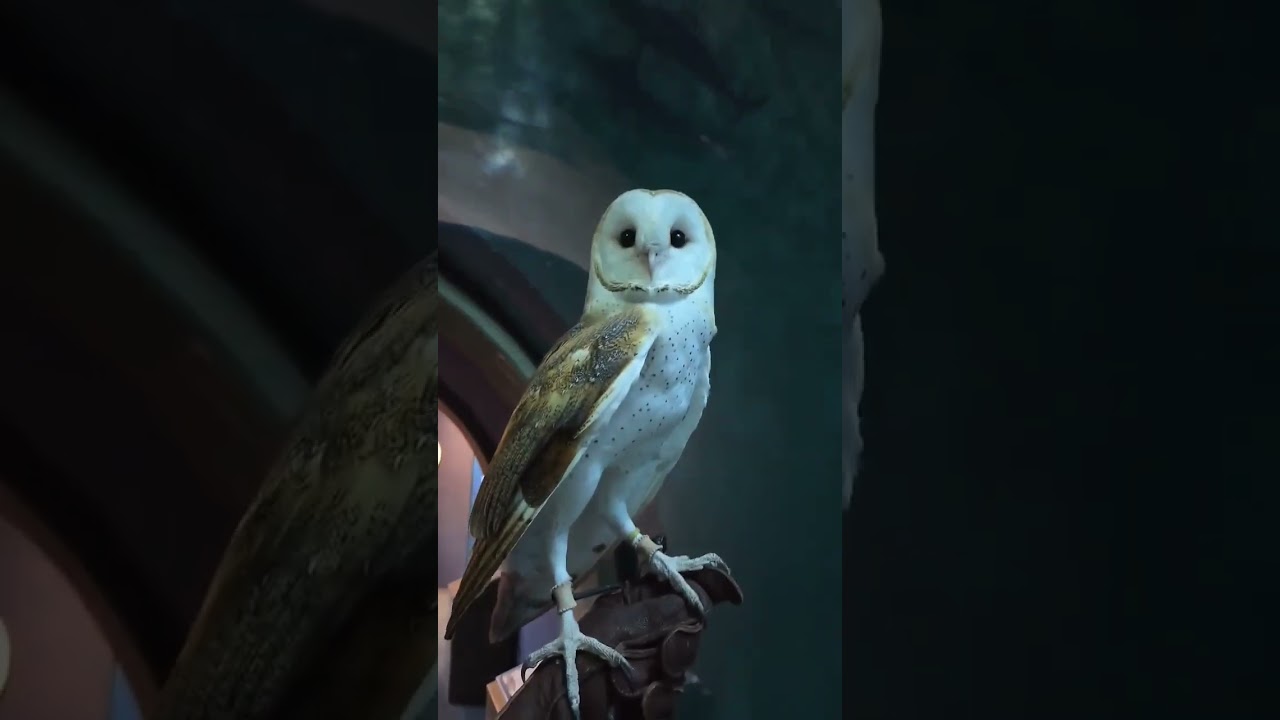
- The behavior and ecology of barn owls
- The role of zoos and aquariums in wildlife conservation
- Educational outreach and community engagement
- The design and management of interactive exhibits
- The importance of habitat preservation
Barn owls, known for their distinct heart-shaped faces and silent flight, are captivating creatures of the night. Their presence at the Oregon Coast Aquarium offers a window into their behavior and ecology, providing insights into their survival strategies and significance in the ecosystem.
Barn owls are primarily nocturnal hunters, using their acute hearing to locate prey in complete darkness. Their diet consists mainly of small mammals such as mice and voles, which they catch with remarkable precision. This predatory skill highlights the owl’s role in controlling pest populations, an essential function in maintaining ecological balance. Additionally, the barn owl’s adaptation to diverse habitats, from rural fields to urban environments, underscores their ecological versatility. Their ability to thrive in varying landscapes demonstrates their resilience to human-induced habitat changes, though it also points to the necessity of preserving their natural habitats.
The barn owl’s exploration of the Oregon Coast Aquarium is both an educational opportunity and a vital conversation about wildlife conservation. Zoos and aquariums serve as custodians of animal species and ambassadors for wildlife awareness. Through breeding programs and conservation projects, these institutions work tirelessly to preserve endangered species and their habitats. They also conduct research to better understand animal behavior and genetics, which can inform broader conservation efforts. Furthermore, by providing a safe environment for animals, zoos and aquariums help facilitate the recovery of species that may have dwindled in the wild.
Public education is an integral aspect of the aquarium’s mission. By hosting exhibits such as the barn owl exploration, they engage visitors and spark interest in wildlife. Educational programs and interactive exhibits enable guests to learn about the biology and ecology of animals firsthand. This nurturing of curiosity is crucial in fostering a conservation-minded community. Visitors leave with a deeper appreciation for wildlife and an understanding of how their actions impact these creatures and the planet.
Designing interactive exhibits involves careful planning and creativity. Exhibits must be both engaging and informative, ensuring they cater to varied audiences. This includes everything from interactive displays to virtual reality experiences that simulate the natural habitats of the animals. Considerations for animal welfare are paramount; exhibits must enrich the animals’ lives, offering them mental and physical stimulation while allowing them to exhibit natural behaviors. The barn owl exhibit, for example, might incorporate flight shows or feeding demonstrations, illustrating their hunting techniques and ecological role.
Habitat preservation is a central theme in wildlife conservation. As human activities increasingly encroach on natural environments, the survival of species like the barn owl hinges on protecting and restoring these vital areas. Efforts to preserve natural landscapes and create protected areas are essential. Such initiatives not only benefit the barn owls but also countless other species that share their habitats. Conservation success stories emphasize the collaborative efforts of governments, NGOs, and local communities working together to safeguard the diverse ecosystems upon which all life depends.
By highlighting the captivating behavior of barn owls and their ecological role through exhibits, the Oregon Coast Aquarium plays an essential part in wildlife conservation. The institution’s dedication to education, research, and habitat preservation is a beacon for future conservation efforts. Engaging the public in animal welfare and ecosystem health cultivates a society that values and prioritizes environmental stewardship.
*****
Source Description
Wilson, Barn Owl and ambassador animal, meets marine animals for enrichment.
