
Summary of Houston Zoo Begins Multi-Year Africa Habitat Upgrades:
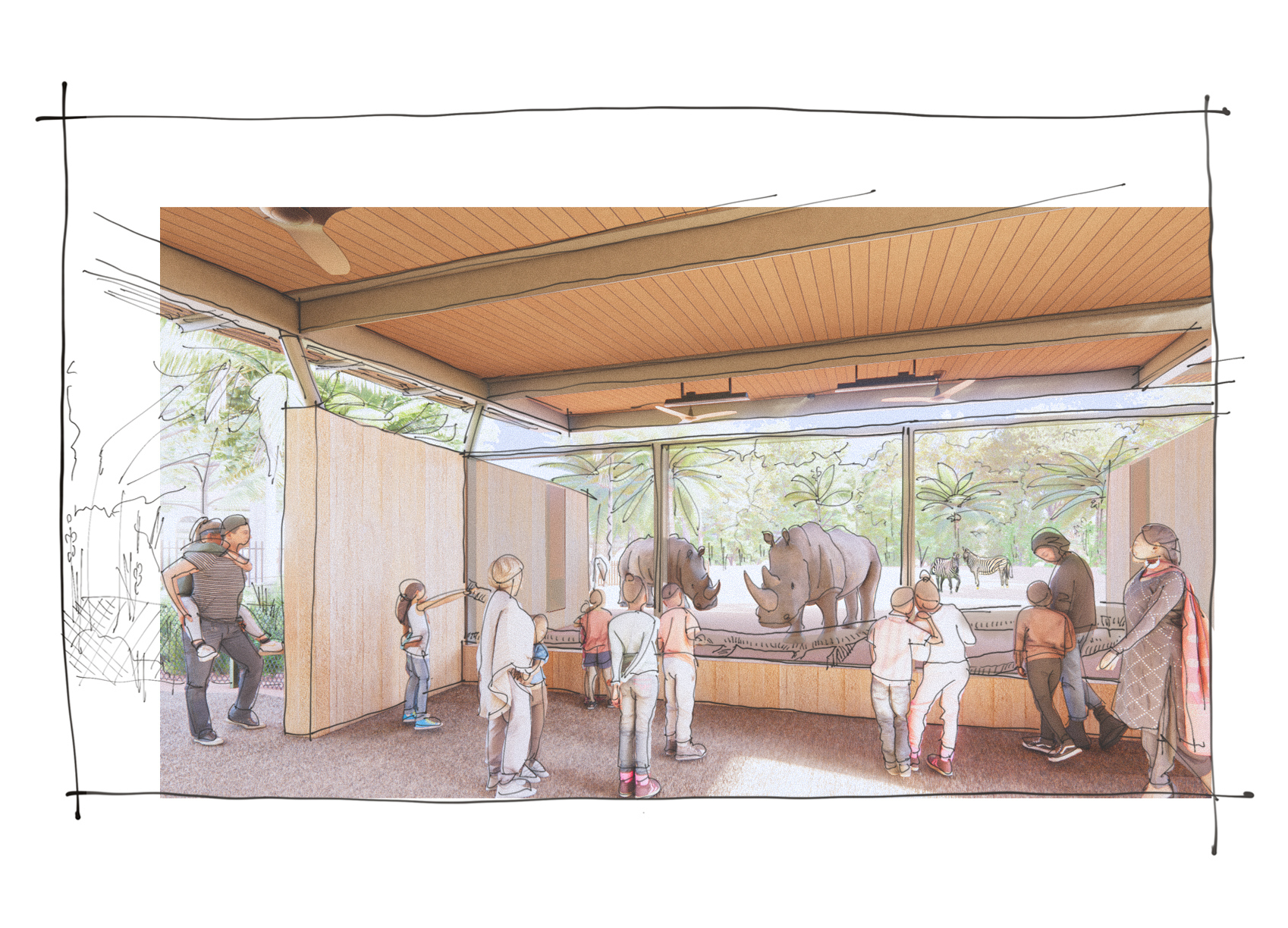
The Houston Zoo is launching upgrades in 2026 to enhance animal care and guest experiences, including a renovation of the white rhinoceros and giraffe habitats, and updates to Shani Market. The rhino habitat will expand to include zebras and add features like shade, heaters, and water elements for natural behaviors. The giraffe area will get a shade canopy and amenities to improve comfort. Shani Market will become a grab-and-go store offering products supporting wildlife conservation. The Zoo partners with the International Rhino Foundation and supports giraffe conservation in Africa, working with local communities to protect these species. Construction began in January 2026 with phased openings expected through 2027.
- Houston Zoo is initiating extensive habitat upgrades for rhinos and giraffes starting in 2026.
- The upgrades focus on animal well-being, including improving living spaces and environmental controls.
- Shani Market will be revamped to enhance visitor engagement with self-checkout options and conservation support.
- The zoo’s mission is highlighted through partnerships with global conservation organizations.
- Construction will be managed to minimize disruptions to wildlife and guest experiences.
The Houston Zoo is embarking on a transformative series of habitat enhancements that reflect its dedication to wildlife welfare and immersive visitor experiences. Beginning in 2026, this multi-year project aims to elevate not just the physical spaces the animals inhabit, but also the educational value offered to the zoo’s guests. This initiative underlines a significant commitment towards embracing modern zoo management principles, ensuring that both wildlife and visitors gain from improved conditions and interactions.
One of the primary areas of focus is the renovation of the white rhinoceros habitat. These modifications will create an enriched environment conducive to the health and longevity of the species. The inclusion of zebras alongside additional rhinos mirrors a shift towards more dynamic and stimulative settings that replicate natural ecosystems. Providing shaded areas is crucial, not only for animal comfort but also for enhancing visitor engagement with a closer and more immersive viewing experience. New environmental controls, such as heaters, fans, and feeders, combined with a newly designed water feature, will enable the rhinos to engage in more typical behaviors observed in their natural habitats. By doing so, the Houston Zoo underscores its role as a leader in zoo conservation practices, furthering its mission to inspire wildlife protection.
Additionally, the upgraded McGovern Giraffe habitat will bolster comfort and health for its residents—Zawadi, Asali, Gigi, Kamili, and Tino. With the addition of a new shade canopy, these giraffes will experience reduced heat stress, a factor critical to their overall well-being. Extra drinkers, fans, and feeders seamlessly integrate with the landscape to augment visitor interaction points and ensure that the giraffes thrive within their environment.
The architectural and design expertise brought to these projects is paramount. Lake Flato, SH|R Studios, and O’Donnell/Snider Construction, among others, bring a wealth of experience to the renovations, ensuring that the spaces are crafted with the specific needs of the animals in mind. These teams collaborate closely to marry creature comfort with visitor access, resulting in spaces that are both functional and inspiring.
Central to these developments is Shani Market, situated strategically between the giraffe and rhino habitats. Transforming into a modern grab-and-go concept store, Shani Market will offer guests an enhanced retail experience with self-checkout stations. By promoting products from the zoo’s conservation partners, the market provides a direct link between consumer actions and wildlife conservation efforts in Kenya. This initiative not only supports conservation financially but also educates visitors about the profound impact such contributions can have on global biodiversity.
Every visitor to the zoo plays a role in these conservation efforts. With partnerships such as those with the International Rhino Foundation (IRF), the zoo actively contributes to saving the rapidly dwindling rhino populations. This collaboration aims to bolster rhino numbers, currently estimated at around 26,700 globally, through comprehensive protection and conservation strategies.
The conservation work extends to giraffes as well. In partnership with the Somali Giraffe Project, the zoo supports initiatives that monitor giraffe populations and reduce human-giraffe conflict in Kenya and Somalia. By fostering relationships with indigenous communities, the zoo aids in promoting sustainable conservation practices vital for the survival of the species.
The construction efforts are planned meticulously to minimize disruption. The zoo’s priority remains the well-being of the animals and ensuring visitors continue to enjoy a remarkable experience. By carefully phasing the construction projects, the goal is to maintain a balance between development and daily operations.
In every aspect of its operations, the Houston Zoo demonstrates a commitment to utilizing state-of-the-art practices to enhance conservation and education. The integration of modern technology and advanced animal care strategies serves as a testament to this commitment, positioning the zoo at the forefront of zoological advancements. This project not only signifies a physical redesign but also marks a pivotal moment in the zoo’s continuous journey to reinforce its mission of connecting the community with wildlife and fostering a deeper awareness and understanding of the importance of conservation.
Each of these elements—habitat enhancements, market upgrades, and the strategic partnerships—ultimately coalesce into a broader narrative of stewardship and engagement that the Houston Zoo aims to champion in the years to come. Through these initiatives, the zoo provides a model for how educational institutions can successfully navigate the challenges of modern conservation and community involvement. For those passionate about zoology and environmental stewardship, the ongoing developments at the Houston Zoo offer a promising perspective on the future of nature preservation and education.
