
- Ancient Origins and Evolutionary History of Horseshoe Crabs
- Biological and Anatomical Features
- Ecological Role and Importance in Marine Ecology
- Conservation Efforts and Challenges Facing Horseshoe Crabs
- The Influence of Horseshoe Crabs on Science and Medicine
Horseshoe crabs, often regarded as living fossils, present an intriguing glimpse into Earth’s ancient past. Despite their name, these extraordinary creatures are not true crabs but are more closely related to arachnids, such as spiders and scorpions. Their origins and ongoing survival over millions of years offer valuable insights into evolutionary biology, marine ecology, and conservation science.
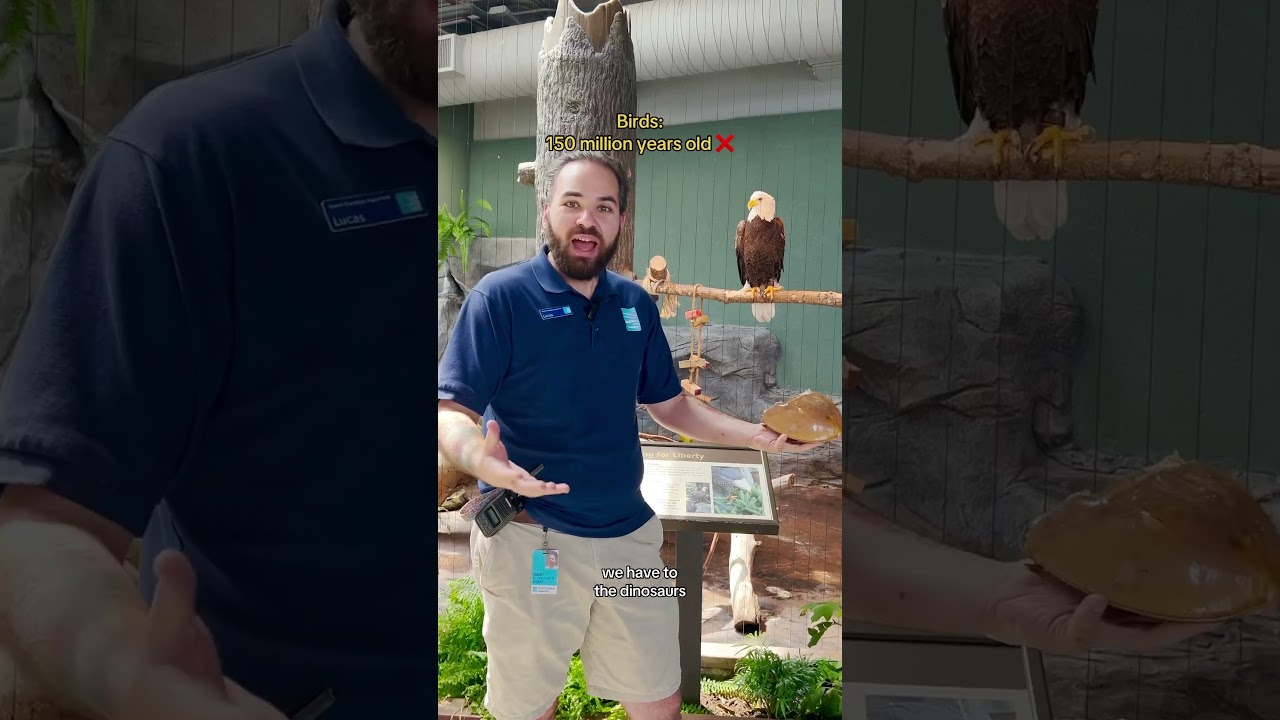
First appearing over 450 million years ago, horseshoe crabs have survived multiple mass extinction events, making them older than dinosaurs. They belong to the class Merostomata and are part of the order Xiphosura. Their evolutionary history reveals minimal morphological changes over time, signifying their remarkable adaptability. Fossil records show that they have maintained their iconic body structure—a testament to their evolutionary success.
Their anatomy is distinctly unique. Horseshoe crabs possess a hard exoskeleton, a pair of compound lateral eyes, and several simple eyes atop their shell. The tail spine, or telson, is crucial for flipping upright if turned over. Internally, they have a unique blood composition rich in copper-based hemocyanin, giving it a blue hue. This blood is essential for detecting bacterial endotoxins, making it invaluable in medical applications.
Horseshoe crabs play an essential ecological role, particularly in coastal ecosystems. Their eggs are a vital food source for migratory birds and other marine creatures. By burrowing and feeding, horseshoe crabs also help to aerate and turn over sediment, benefiting other marine life. Their role as a keystone species underscores their importance in maintaining ecological balance.
Conservation concerns for horseshoe crabs stem from habitat destruction, climate change, and overharvesting. They are often collected for bait in the fishing industry and for their blood in biomedical research. Conservation efforts focus on habitat protection, regulated harvesting, and breeding programs. Organizations are working to balance the demands of human needs with the ecological importance of these ancient beings.
Horseshoe crabs have significantly influenced science and medicine, primarily through their unique blood, which contains Limulus amebocyte lysate (LAL). This substance is crucial for testing bacterial contamination in medical equipment and vaccines. The biomedical importance of horseshoe crabs highlights the need for sustainable conservation practices to preserve their populations without compromising medical advancements.
Horseshoe crabs continue to fascinate scientists and conservationists alike. Their ancient lineage provides a window into evolutionary resilience, while their current challenges emphasize the intertwined nature of ecology and human needs. As we strive to protect these extraordinary species, understanding and valuing their contributions become essential for their continued survival.
*****
Source Description
