
- The significance of National Peanut Butter Day and its celebration.
- Rico the porcupine and his dietary habits, emphasizing the relationship between wildlife and human interaction.
- The nutritional value of peanut butter as a food source for various animals.
- The impact of wildlife conservation on animal habitats and their diets.
- Strategies for zoo management and educational outreach relating to animal care and biodiversity.
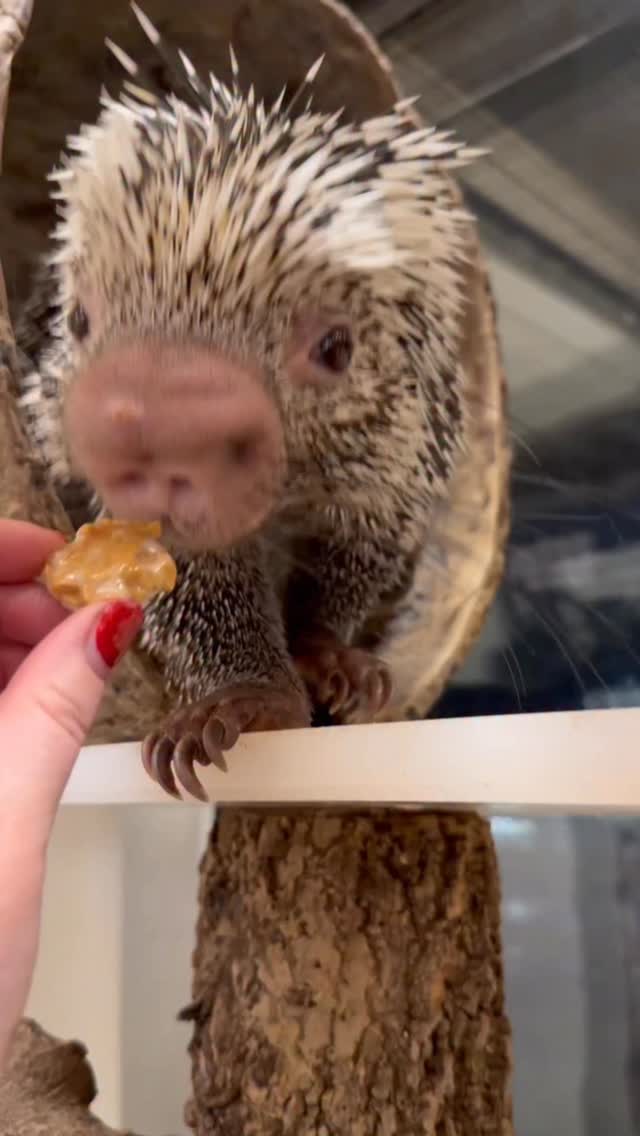
National Peanut Butter Day, celebrated annually on January 24, highlights not only our fondness for this beloved spread but also serves as a platform to discuss the wider implications of food sources for animals in both wild and managed environments. Though it may seem whimsical to associate this day with wildlife, it reflects deeper connections between humans and the animals we share the Earth with. As we prepare for this tasty celebration, it’s essential to consider Rico the porcupine and how he interacts with peanut butter—a favorite snack that bridges the gap between dietary enjoyment and nutritional benefit.
Rico the porcupine represents a fascinating facet of animal behavior and ecological interactions. Native to various regions, these animals have adapted to diverse environments and have specific dietary preferences that reflect their natural habitats. Porcupines are primarily herbivorous, feeding on a variety of plant materials, including leaves, bark, and fruits. However, Rico’s love for peanut butter illustrates an important aspect of sanctuary and zoo experiences where animals sometimes receive additional food items used for enrichment.
Enrichment refers to strategies employed to enhance the quality of life for captive animals. By introducing new food items, caretakers provide enrichment that stimulates natural foraging behaviors and cognitive engagement. In Rico’s case, peanut butter offers a rich, fatty treat that can motivate him to explore different physical and mental tasks, all while indulging in a favorite flavor. It’s crucial to recognize that while peanut butter can be a fun addition to a porcupine’s diet, it should be administered with care. High-fat foods are sometimes given in moderation to prevent dietary imbalances, which could lead to health issues.
Looking at peanut butter’s nutritional makeup, it is packed with protein, healthy fats, and various vitamins and minerals. This indicates that peanut butter can serve as a valuable supplemental food source, not just for Rico but for many animals. In controlled quantities, proteins and fats can contribute to maintaining energy levels in active animals like porcupines, which often traverse significant distances in search of food.
However, human food items should be carefully considered when it comes to their introduction into wildlife diets. It’s vital to monitor how animals respond to new foods critically. Wildlife professionals and zoo management teams establish protocols to observe any changes in animals’ behaviors, health, or reactions after introducing novel items, including peanut butter.
Conservation efforts are closely linked with proper wildlife management and understanding what animals need in terms of nutrition. The decline of certain species primarily due to habitat destruction and environmental changes emphasizes the importance of animal care facilities that aim to replicate natural behaviors. Proper zoo management should not only provide food but also educate the public about the significance of preserving natural ecosystems.
Education and outreach play essential roles within this model. Visitors can learn about how many animals interact with human-provided foods versus their natural diets. For example, educational programs at zoos often bring attention to animal health, nutritional needs, and environmental stewardship. By featuring stories about animals like Rico, caretakers can highlight how specific diets impact each species’ health and overall well-being.
Peanut butter, particularly during celebrations such as National Peanut Butter Day, offers an opportunity to bridge the gap between people and wildlife. It allows educational gaps about animal diets to be filled with engaging, relatable content. By showcasing Rico’s interactions, visitors gain insights into not only porcupines but also the broader implications of wildlife conservation and nutrition.
Furthermore, let’s explore the importance of biodiversity in animal diets. Animals like Rico are integral components of their ecosystems. They often play a role in seed dispersal and influence plant community structures, impacting their habitats profoundly. Maintaining biodiversity is essential for the ecosystem’s functionality, and scenarios where animals are over-reliant on human-provided foods can lead to detrimental consequences. It is paramount to balance human interaction and natural behavior, ensuring that captive animals still engage meaningfully with their environments.
Zoo management can be effective in promoting biodiversity by designing habitats that encourage natural foraging. Through proper environmental design, animals can discover food sources more naturally, mirroring behaviors they would exhibit in the wild. It becomes a priority to create spaces that challenge and engage animals, fostering a sense of exploration and naturalistic behaviors reminiscent of their habitats.
As National Peanut Butter Day approaches, there is excitement surrounding the activities involving Rico and the delicious activities planned for celebration. Peanut butter represents human affection for flavors and enjoyable experiences, while also acting as a reminder of the responsibilities we bear towards wildlife. While Rico indulges, visitors and caretakers can engage in meaningful discussions about animal care, dietary preferences, and the broader implications of conservation.
It is evident that examining Rico’s relationship with peanut butter illustrates much more than a simple treat. It opens the door to conversations surrounding animal needs, conservation practices, and the critical role that zoos and sanctuaries play in providing sustainable habitats for their inhabitants. The bond formed through shared experiences—between species as different as porcupines and humans—highlights the shared responsibility we have in nurturing the environment and supporting biodiversity.
Ultimately, the legacy of celebrations like National Peanut Butter Day extends beyond mere enjoyment. Events focused on animal engagement offer opportunities to promote conservation, animal welfare, and biodiversity awareness. By appreciating moments like Rico’s peanut butter snack, we are reminded of the essential relationships between humans and animals. These interactions serve to enrich both species’ lives, fostering a greater understanding of the complex challenges linked to wildlife conservation.
Thus, as you prepare to celebrate National Peanut Butter Day, take a moment to reflect on the animal interactions it inspires. Whether it’s through Rico indulging in his favorite snack or conversations about environmental responsibility, this day serves to remind us of our collective role in nurturing and protecting our planet’s wildlife.
*****
Source Description
The only way to get ready to celebrate National Peanut Butter Day tomorrow: with Rico the porcupine eating his favorite snack! 
