
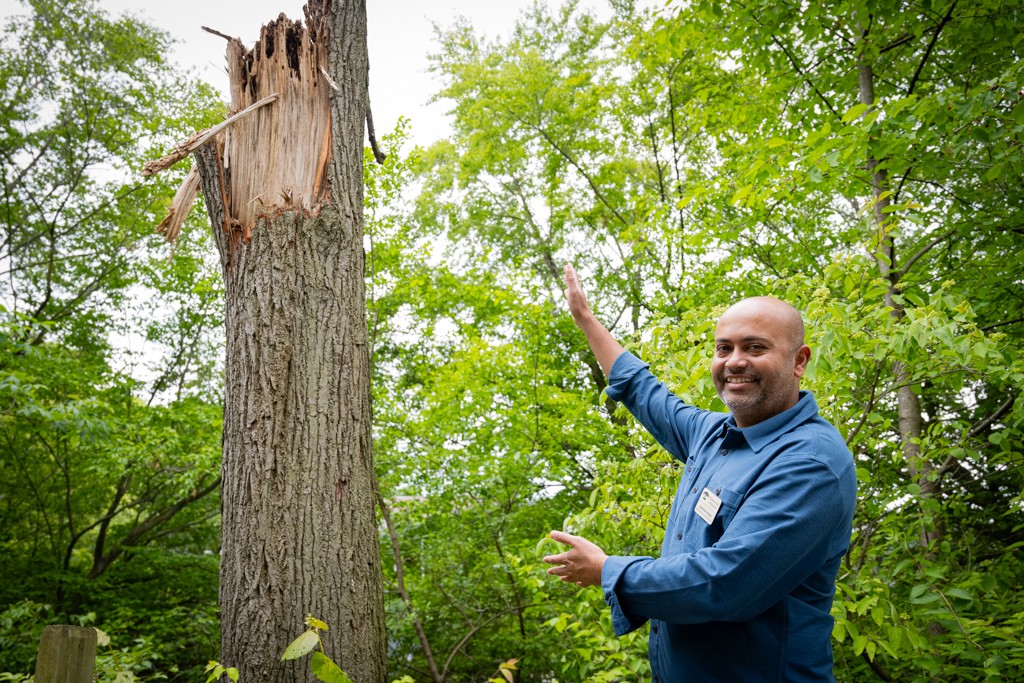
- Understanding the impact of recent storms on Pittsburgh’s urban forest and ecological systems.
- Exploring the benefits of strategic tree planting for wildlife conservation and climate resilience.
- Analyzing the importance of selecting the right tree species for urban environments.
- Discussing the role of urban forests in community health and neighborhood revitalization.
- Highlighting conservation efforts led by Shafkat Khan to transform and rebuild Pittsburgh’s green spaces.
Recent storms have presented Pittsburgh with a pivotal chance to reimagine its urban forest. As the city rebuilds, it is vital to consider the ecological balance and the myriad benefits an intentional urban forest can offer. Shafkat Khan, Director of Conservation, emphasizes the strategic approach to planting the right trees in the right places. This process not only supports wildlife but also enhances climate resilience and community well-being.
The storms have significantly affected Pittsburgh’s urban canopy, disrupting habitats and altering ecological dynamics. Understanding these impacts allows for a more informed approach to rebuilding. Fallen trees and damaged green spaces may seem like a setback, but they also offer a clean slate for designing a resilient ecosystem. Urban forests play a critical role in supporting biodiversity, offering habitats for numerous species and maintaining ecological interactions.
Rebuilding with purpose involves deliberate tree selection, considering factors such as native species, soil quality, and climate adaptability. Native trees are particularly beneficial as they provide familiar habitats for local wildlife, maintain ecological stability, and adapt better to regional weather patterns. Choosing the right species ensures that the urban forest remains robust against future storms and climate shifts.
Urban forests provide important ecological services, including air purification, carbon sequestration, and temperature regulation. Strategically planting diverse tree species enhances these benefits. Trees like oaks and maples not only offer shade but also support diverse insect and bird populations. These interactions help sustain local food webs, demonstrating how urban forests contribute to wider biodiversity.
Beyond ecological benefits, urban forests have profound impacts on human communities. Trees improve air quality, reduce noise pollution, and offer spaces for recreation and relaxation. Neighborhoods with abundant greenery often experience lower stress levels among residents, fostering a sense of well-being and cohesion. By integrating parks and greenways into urban planning, Pittsburgh can enhance the quality of life for its residents.
Community engagement and education are critical to the success of conservation efforts. Shafkat Khan and his team are committed to involving local residents in the planting process, ensuring that everyone has a stake in the city’s green future. Education programs and workshops can empower citizens with knowledge about the benefits of urban forestry and the importance of maintaining tree health.
The integration of wildlife corridors through urban forests can significantly improve animal movement and genetic exchange. These corridors are essential for species that require large territories and assist in maintaining healthy wildlife populations. Conservation efforts can focus on establishing continuous green pathways that connect fragmented habitats across the city.
Technology plays an increasingly important role in urban forestry. Geographic Information Systems (GIS) and remote sensing tools help analyze and predict ecological changes, enabling informed decision-making. These technologies assist in selecting optimal planting sites, monitoring tree health, and measuring the effectiveness of conservation strategies. Such data-driven approaches are integral to building resilient urban forests.
As Pittsburgh moves forward in transforming its urban landscape, collaboration between governmental bodies, conservationists, and the community is essential. Policies that promote urban forestry should be informed by scientific research and local expertise. Incentives for planting trees and maintaining green spaces can encourage private and public landowners to contribute to the city’s canopy.
The efforts to rebuild Pittsburgh’s urban forest hold the potential to reshape not only the environment but also the city’s identity. A thriving urban forest reflects a commitment to sustainability, resilience, and community well-being. Shafkat Khan’s leadership in these efforts serves as a beacon for other cities facing similar challenges. By embracing this opportunity, Pittsburgh can set a precedent for innovative and effective urban conservation.
In summary, the recent storms have opened the door to reimagine Pittsburgh’s urban forest. Through strategic planning, community involvement, and technological advancements, the city can develop a resilient and beneficial green infrastructure. Planting the right trees in the right places will serve as a foundation for a healthier, more vibrant Pittsburgh, supporting both its residents and wildlife for generations to come. For those interested in joining these efforts or learning more, additional resources are available on conservation initiatives led by Shafkat Khan and his team.
*****
Source Description
After the recent storms, Pittsburgh has a unique opportunity to rebuild its urban forest with purpose. Learn from our Director of Conservation, Shafkat Khan, about how planting the right trees in the right places can support wildlife, improve climate resilience, and create healthier neighborhoods for the future. You can learn more on our website!
