
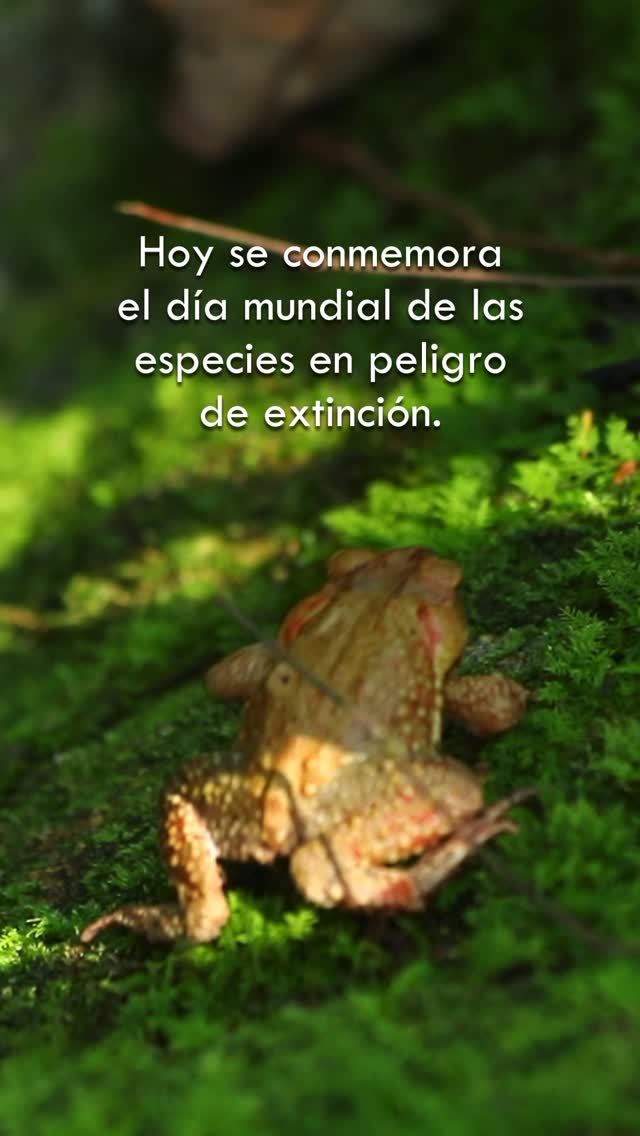
- The significance of World Endangered Species Day.
- Understanding the causes of species endangerment.
- Conservation efforts taking place in Africam Safari.
- The role of public awareness and action in biodiversity protection.
- Future perspectives on species conservation.
World Endangered Species Day, commemorated annually, plays a crucial role in raising awareness about the plight of species on the brink of extinction. This observance informs the public about the various factors threatening wildlife and emphasizes the necessity of conservation efforts. In doing so, the day galvanizes action and fosters a global commitment to preserving our planet’s biodiversity.
The endangerment of species results from a myriad of factors. Habitat destruction is among the most significant contributors. Urbanization, agriculture, and deforestation lead to the fragmentation of ecosystems, isolating wildlife and diminishing their chances for survival. Climate change amplifies these threats by altering habitats, making them inhospitable. Pollution from various sources, including plastics and agricultural runoff, also poisons ecosystems, affecting not only animal health but also the delicate balance of food chains. Overexploitation due to poaching and illegal wildlife trade further exacerbates the crisis. The combined impact of these issues drastically reduces populations, pushing many species closer to the edge of extinction.
In response to these pressing challenges, Africam Safari plays a vital part in conservation. Located in Mexico, Africam Safari is a sanctuary dedicated to the protection of various endangered species. Programs focused on reproduction, rescue, rehabilitation, and reintroduction are essential to safeguarding wildlife. By breeding endangered species in controlled environments, the facility can enhance genetic diversity. Such efforts contribute to the establishment of self-sustaining populations that can eventually be released back into their natural habitats.
One of the highlights of Africam Safari’s efforts includes its work with species such as the Mexican wolf and the black-footed ferret. Both species illustrate the importance of having structured breeding programs. These initiatives help bolster dwindling populations by increasing genetic variability, which is crucial for robust health and resilience against diseases.
Moreover, public outreach and education form an integral part of the conservation strategy at Africam Safari. By working closely with local communities, the organization fosters an understanding of wildlife issues and encourages collective action for species protection. Educational programs aim to inform visitors about the importance of biodiversity and the specific threats that endangered species face. This strategy not only raises awareness but also encourages individuals to adopt more environmentally responsible behaviors.
The importance of public awareness cannot be underestimated. Raising consciousness about endangered species can catalyze meaningful action. When people understand the threats that various species encounter, they are more likely to advocate for conservation measures. Social media campaigns, community events, and educational workshops all contribute to a broader understanding of biodiversity issues.
Furthermore, individuals can actively contribute to conservation efforts in several ways. Supporting wildlife organizations, participating in local clean-up initiatives, and adopting sustainable practices can all make a difference. By sharing knowledge about endangered species, people can inspire others to join the cause for preserving biodiversity.
Looking to the future, the focus on species conservation must advance. It will require collaboration among governments, NGOs, and communities worldwide. Sustainable development policies need to be emphasized, ensuring that economic growth does not come at the expense of wildlife habitats. Conservation strategies should incorporate scientific research, allowing for adaptive management practices as conditions change.
Innovative technologies also present new avenues for conservation efforts. Drones and remote sensing technology are beginning to facilitate wildlife monitoring, aid in anti-poaching efforts, and even help rebuild habitats. Engaging the younger generation through technology-focused educational initiatives can further strengthen global conservation efforts. Children educated about the importance of biodiversity will foster a new wave of conscientious citizens who can take an active role in protecting wildlife.
Time is of the essence. As species continue to disappear at an alarming rate, the need for urgent action becomes increasingly evident. The responsibility lies with individuals and organizations alike to ensure that thriving ecosystems remain, preserving the intricate web of life that supports not just wildlife, but humanity itself.
By absorbing the lessons instilled on World Endangered Species Day, we are reminded of our shared responsibility in mitigating these threats. Conservation efforts at places like Africam Safari illustrate that with commitment and action, we can work toward a future where biodiversity flourishes. Everyone can contribute in some way, whether through education, advocacy, or direct support for conservation initiatives.
Collaborative efforts also extend to the international scale. Countries must unite to protect migratory species and their habitats, enforcing stricter regulations against illegal wildlife trafficking. This cooperative approach will enhance protection efforts, ensuring that species that traverse borders have safe passages and environments.
By leveraging local knowledge alongside scientific expertise, the effectiveness of conservation efforts can be greatly enhanced. Engaging indigenous communities often yields insights into sustainable practices that have been passed down through generations. This intricate knowledge, combined with modern conservation science, presents a holistic approach to protecting vulnerable species.
Ultimately, as we acknowledge World Endangered Species Day, we enhance our awareness and commitment to biodiversity. The relationship between humans and nature needs strengthening to avoid further species losses. Everyone has a significant role in this equation, whether as advocates, educators, or informed citizens.
By working together, sharing information, and fostering a connection to nature, we pave the way for more sustainable ecosystems. Our collective success in species conservation lies within our ability to unite for a common cause—protecting the magnificent diversity of life that our planet possesses.
*****
Source Description
Hoy se conmemora el Día Mundial de las Especies en Peligro de Extinción.🌍
En Africam Safari, nuestros expertos trabajan cada día en la conservación de especies a través de programas de reproducción, rescate, rehabilitación y reintroducción a la vida silvestre, contribuyendo activamente a evitar su extinción.🙌🏼🦁🦒🦏
Comparte este mensaje y únete a la causa por un futuro donde la biodiversidad siga viva. 💚
