
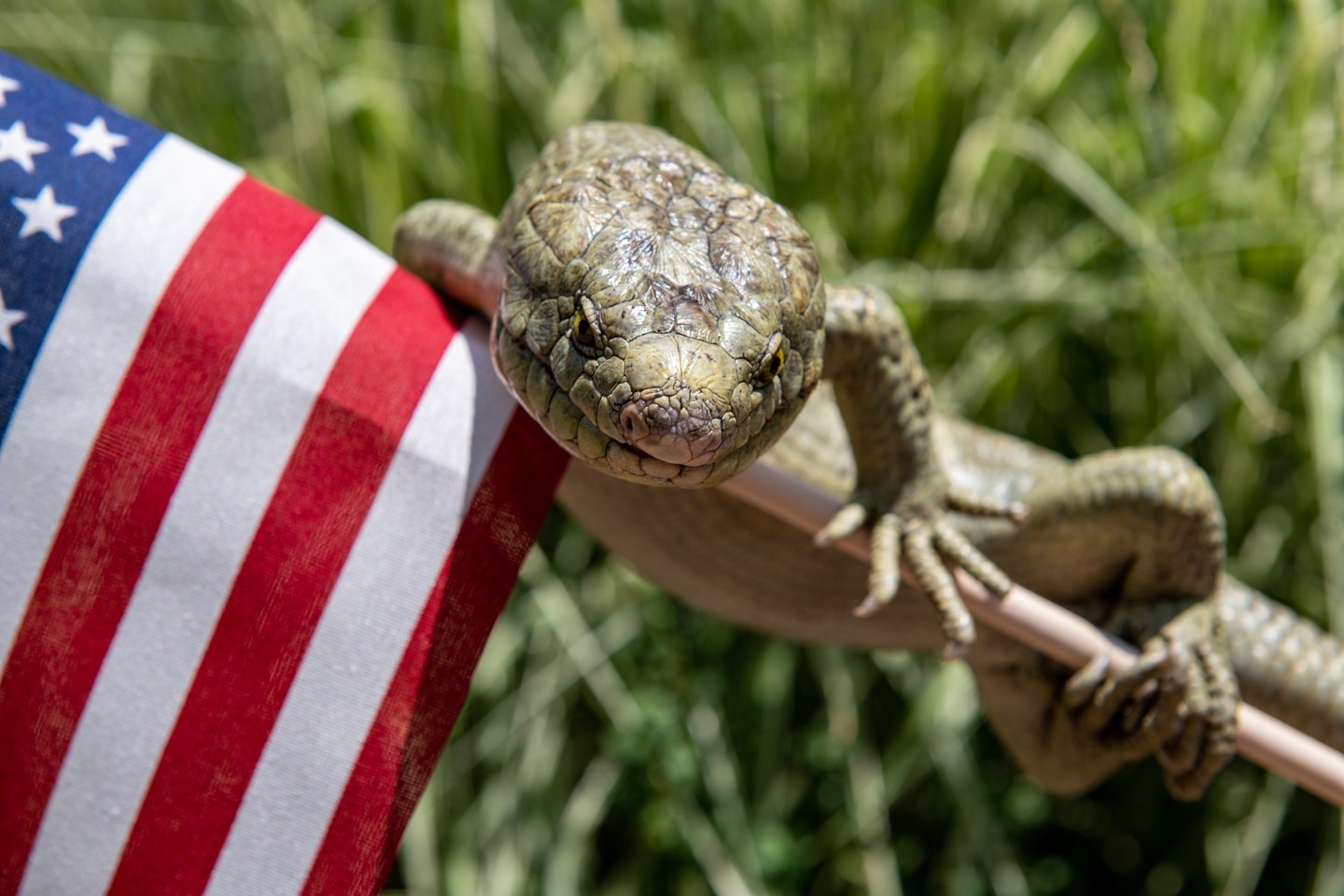
- Understanding the significance of Armed Forces Week at the Zoo
- Exploring the educational value of zoo visits
- Highlighting the importance of wildlife conservation
- Tips for planning your visit
- Engaging with the zoo’s community and support programs
Visiting the zoo next week provides an excellent opportunity for military members and their families, as they can attend for free with the right identification. This initiative, available from Armed Forces Day on May 17, 2025, through Memorial Day on May 26, 2025, serves as an important acknowledgment of the sacrifices made by active duty service members, reservists, and veterans of the United States Military. Such an initiative creates not just a fun day out but also a chance to educate and inspire a love for wildlife and conservation.
Armed Forces Week at the Zoo symbolizes appreciation and recognizes the commitment of military members. This week emphasizes a bond between wildlife education and community service. Many zoos have substantial connections to their local communities and recognize military families as key members of that community. This offer is not only a way to express gratitude but also highlights the role zoos play in fostering connections, understanding, and respect for our natural world.
Visiting the zoo serves multiple educational purposes, making it a vital resource for all ages. Zoos offer a hands-on learning environment, where visitors can witness animal behavior, habitats, and conservation efforts in real-time. For children, this can stimulate an interest in biology and environmental science. Adults can also gain insights into wildlife management practices, animal care, and the complexities of ecosystem dynamics. Each zoo exhibit is a lesson in biodiversity, showcasing the importance of each species within its habitat.
Educational programs, often tailored to specific age groups, allow visitors to learn about animal diets, behaviors, and habitats. Interactive exhibits may provide opportunities for questions and discussions with zookeepers or wildlife educators. Such engagement deepens the understanding of species and their environments and offers practical knowledge on topics like habitat destruction, poaching, and conservation efforts.
The importance of wildlife conservation cannot be overstated. Many species face existential threats due to habitat destruction, climate change, and human encroachment. Zoos play a critical role in conservation by participating in breeding programs, habitat preservation efforts, and public education campaigns. These initiatives not only work to preserve endangered species but also educate the public on how their actions can impact wildlife. Visitors can learn how zoos contribute to global conservation efforts, such as the reintroduction of species into their natural habitats and partnerships with conservation organizations.
Planning your visit to the zoo is essential for making the most of the experience. Take the time to review the zoo’s website to learn about special events, animal feeding times, and scheduled educational programs. This allows you to prioritize what interests you most. Arriving early often provides a quieter experience before the crowds, and the animals are generally more active in the cooler morning hours.
Comfortable footwear is crucial, as you may find yourself walking regularly throughout the grounds. It’s also wise to bring along water and snacks, although many zoos offer dining options to refuel. Participating in the zoo’s activities can enhance your visit. Whether it’s attending a scheduled talk, visiting a behind-the-scenes exhibit, or engaging in interactive demonstrations, these experiences can be enriching.
Community involvement is an overlooked aspect of zoo visits. Many zoos engage with their local communities through outreach programs and partnerships with schools. These programs often provide resources for teachers, including lesson plans and field trip opportunities that highlight environmental education and conservation. By visiting the zoo as a military family, you’re not just benefiting from its exhibits; you’re supporting the critical role it plays in your community.
Besides attending as a visitor, there are ways to engage with the zoo’s mission on another level. Many zoos have volunteer programs and membership options that allow individuals and families to contribute directly. Participating in such programs helps cultivate a deeper connection to conservation issues and fosters a sense of responsibility for protecting wildlife. By educating others on wildlife challenges, visitors can become ambassadors for conservation in their communities.
When planning your visit, consider special themed events that coincide with your trip. Many zoos utilize certain times of the year to highlight conservation messaging, like “World Wildlife Day” or “Endangered Species Day.” These events often feature guest speakers, special programs, or animal encounters that are particularly enlightening. Participating in these occasions adds an informative element to your outing and often inspires attendees to take action.
Incorporating technology can also enhance the experience. Many zoos have apps that provide information on animal exhibits, maps, and event notifications. For those interested in data collection, using a camera to capture animal behaviors or habitats can encourage curiosity. Consider challenging family members to learn more about the animals they see—what they eat, where they live, and what conservation threats they face.
The zoo’s commitment to sustainability is essential for overall wildlife conservation. Many zoos are adopting practices that minimize their environmental impact, from solar energy installations to waste reduction programs. These practices reflect a growing recognition that zoos can set a standard for environmental responsibility. By supporting zoos that prioritize sustainability, visitors contribute to a broader cultural shift towards conservation.
As you prepare for your zoo visit next week, keep in mind the opportunity it presents to learn and engage. From discovering specific animal behaviors to understanding conservation efforts, each element contributes to the wider narrative of wildlife preservation. Especially during the free admission period for military personnel, visiting the zoo is a valuable experience not just for entertainment but for education and community bonding.
Active duty service members, veterans, and reservists not only receive complimentary admission but also represent a vital audience in championing the importance of wildlife conservation. By attending with family, veterans can share their experiences and foster discussions about the environment while reinforcing community ties.
In summary, Visiting the zoo next week opens the door to various educational opportunities. Engaging with wildlife and conservation efforts enhances the visit for any attendee and strengthens the community fabric through appreciation and understanding of nature. In recognizing the contribution of military families, zoos foster a culture of gratitude, engagement, and support. This week offers an ideal opportunity to embark on a journey of learning, nurturing a greater awareness of the natural world and the necessity for its protection.
*****
Source Description
Visiting the Zoo in the next week? Military members, skip the ticket: all active duty, reservists, and veterans of the United States Military receive free general admission with ID the full week between Armed Forces Day (May 17, 2025) through Memorial Day (May 26, 2025)! We thank you for your service. Full details on our Groups and Discounts page on our website.
Presented by @upmchealthplan
