
- Importance of routine maintenance in zoo environments
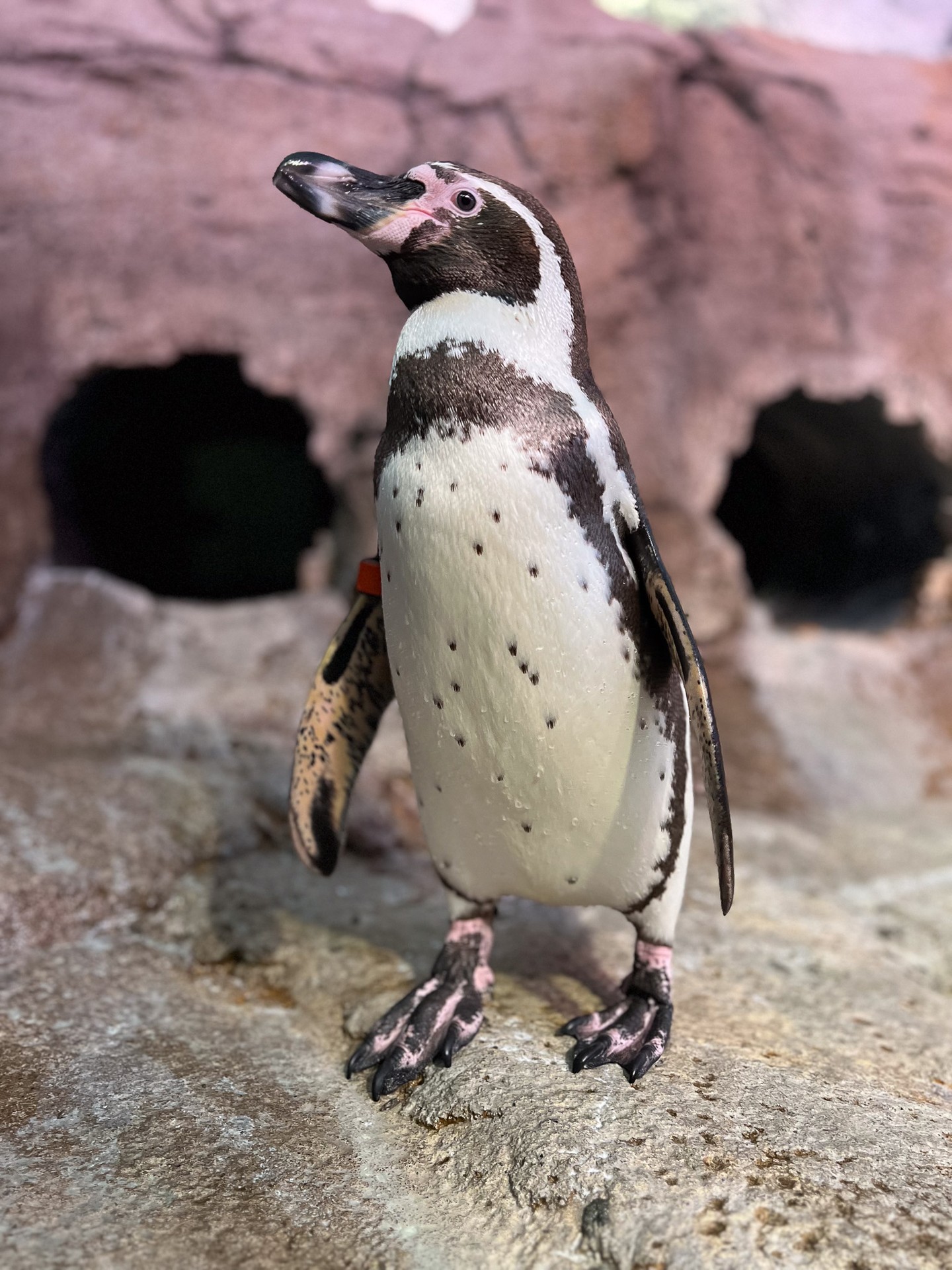
- Overview of Humboldt penguins and their habitat needs
- The role of educators and animal care specialists in wildlife conservation
- Benefits of engaging with zoo visitors during off-exhibit periods
- Why the public should support wildlife conservation efforts
Routine maintenance is a crucial aspect of zoo management. It directly influences the health and well-being of the animals housed within. In the case of our Humboldt penguin colony, the scheduled off-exhibit dates on Thursday, December 11, and Friday, December 12, will allow for necessary pool maintenance. This work ensures that the habitat remains safe, clean, and conducive to the penguins’ lifestyle. Regular pool checks and cleaning routines reduce risks associated with waterborne illnesses and keep the animals’ environment in optimal condition. These actions reflect the commitment of zoos to not only care for their residents but also to improve their habitats.
Humboldt penguins are native to the coastal regions of South America, particularly Chile and Peru. These medium-sized penguins are well adapted to their marine environment, relying on the cold Humboldt Current for sustenance. Their primary diet consists of fish, squid, and crustaceans, which underscores the necessity of maintaining their habitat in a way that resembles their natural surroundings. The pool maintenance process involves checking the water quality, temperature, and ensuring that the filtration system functions effectively. This focus on mimicking natural conditions aids in their behavioral expression, such as social interactions and nesting behaviors.
A vital element of the zoo experience is its educators and animal care specialists. During the maintenance days, they will be available to engage with visitors. This ongoing interaction emphasizes the importance of education in wildlife conservation. Knowing about the biology of Humboldt penguins and understanding their ecological needs can inspire visitors to support conservation initiatives. Educators have a wealth of knowledge about not only the penguins but also about the challenges these animals face in the wild due to climate change, overfishing, and habitat degradation.
For those who might visit during the off-exhibit times, these presentations become opportunities for deeper learning. Interactive talks on penguin behavior, conservation strategies, and environmental stewardship can ignite a passion for wildlife preservation. These discussions provide insight into the roles each individual can play in assisting wildlife populations outside the controlled environment of a zoo. Engaging with conservation-minded staff expands public awareness, fostering a more profound respect for the animals and their habitats.
Encouraging visitors to take an active role in wildlife conservation is an essential goal for zoos. Supporting conservation ensures healthier populations of species like the Humboldt penguin. As the environment changes, the needs and necessities of these species change along with it. Public awareness campaigns, educational programs, and community involvement work hand-in-hand to create impactful changes. Contributing to organizations dedicated to wildlife protection can lead to more significant efforts in preserving both local and global fauna.
The scheduled off-exhibit period, while temporarily detracting from the visual experience of watching these charming penguins, serves a larger purpose. It allows for an opportunity to educate the public about the penguins’ natural history and the extensive efforts required to maintain their well-being in human care. As the penguin colony returns to the exhibit after maintenance, the effects of strategic planning, diligent care, and community engagement become evident.
During the time when the penguins are not visible to the public, zoo management emphasizes the need for routine upkeep on all exhibits, not just that of the Humboldt penguins. Regular maintenance is necessary for the overall health of the zoo, enhancing both animal care and visitor experience. It serves as a reminder of the often-overlooked labor and planning involved in wildlife care. Each task, from feeding routines to habitat cleaning, contributes to the overall ecosystem of the zoo and sets a standard for best practices in zoological management, with the well-being of the animals as the primary focus.
Humboldt penguins also face significant adaptation challenges in human-controlled environments. Long-term success relies on understanding their social structures, grooming, breeding, and environmental needs. Every aspect of their care, from diet to habitat design, must align with their natural behaviors to create a thriving population in captivity. Zoos today are continually researching and adapting their methods based on new findings in animal behavior and biology. The routine maintenance, while perhaps a minor logistical detail, speaks volumes about the ongoing commitment to such evolutions in care and management.
One of the most rewarding aspects of visiting a zoo is witnessing the direct connection between animals and people. The opportunity to view species like the Humboldt penguin fosters a connection that can inspire action, from conservation efforts to advocating for policy changes aimed at protecting fragile ecosystems. By observing their habits and learning about their lives, visitors can gain a greater appreciation for the role these animals play in the environment.
As knowledge about Humboldt penguins and their plight spreads, so does awareness of responsible actions individuals can take. Simple changes in everyday life, like reducing plastic use, can have far-reaching impacts on marine habitats and wildlife. Engaging families and children in educational experiences at the zoo provides a foundation for future conservationists. It is crucial to encourage discussions about the impact that human behaviors have on ecosystems, emphasizing a proactive approach to environmental stewardship.
Engagement efforts also include volunteer programs and support for scientific research. Opportunities to participate in clean-up days, educational campaigns, or fundraising events can empower community members to take ownership of conservation efforts. Building a strong relationship between the zoo and the community can lead to new initiatives that benefit local wildlife. Public participation fosters a sense of responsibility for the well-being of ecosystems, encouraging individuals to take action.
Moreover, ongoing research into the population dynamics of Humboldt penguins enhances understanding of their ecological needs. Scientists are actively studying their response to climate change, specifically the influence of rising ocean temperatures on their food sources. Findings from these studies inform both zoo practices and field conservation strategies. This scientific approach can lead to enhanced care protocols that increase the overall viability of captive populations, while also contributing to broader efforts to protect wild populations by detailing their ecological roles.
The scheduled return of the Humboldt penguin colony after their off-exhibit days signifies much more than just an opportunity to view them swim and socialize. It represents a commitment to excellence in animal care, education, and conservation. By recognizing the challenges these animals face both in captivity and in the wild, and by highlighting the role of dedicated staff and community support, we build a culture of respect and stewardship for wildlife.
As the penguins rejoin their exhibit, we also welcome back the educational initiatives tied to their care. This reintroduction serves as an important reminder of how each visit to the zoo can contribute to a broader understanding and appreciation of wildlife. The interactions between the public, the educators, and the animals cultivate a passion for conservation that can influence attitudes and behaviors beyond the zoo, paving the way for a more harmonious relationship with nature.
The importance of conservation efforts is underscored by initiatives focused on protecting both the habitat and the species within. Ongoing education about Humboldt penguins helps raise awareness of the broader environmental concerns affecting their population, such as habitat destruction and pollution. Effective conservation policies can only be achieved through informed public support and advocacy. Promoting sustainability, reducing human impact, and protecting wildlife habitats must become shared goals.
Ultimately, the Humboldt penguins will return, and the exhibit will hopefully continue to inspire visitors to engage in wildlife conservation. They stand as ambassadors for their species, embodying both the challenges faced in the wild and the efforts required to safeguard their future. By maintaining a connection between the public and these remarkable birds, we create a network of advocates dedicated to protecting not only penguins but also the natural world they inhabit. This commitment builds a sustainable future for both wildlife and the ecosystems on which they depend.
*****
Source Description
Be right back!
Our Humboldt penguin colony will be OFF EXHIBIT on Thursday, 12/11, and Friday, 12/12, for routine pool maintenance. You can still meet our educators and animal care specialists during presentation times. The penguins will be back on exhibit this weekend!
