
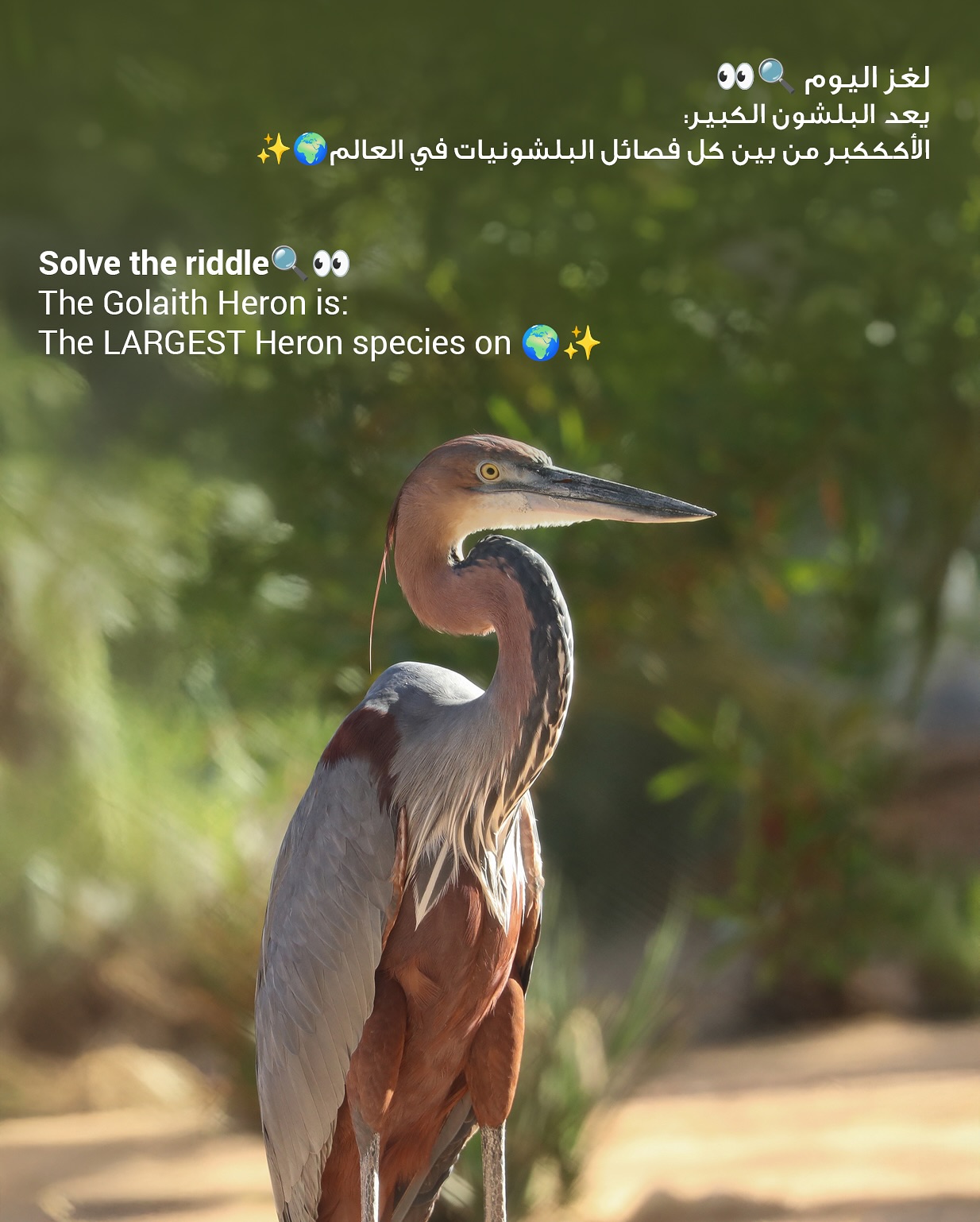
- Understanding the Importance of Wildlife Conservation
- The Role of Zoos in Modern Society
- Effective Zoo Management Practices
- Strategies for Species Preservation
- The Connection Between Public Engagement and Conservation Efforts
Wildlife conservation plays a crucial role in maintaining the balance of ecosystems and protecting biodiversity. As humans expand their activities, habitats often face destruction, leading to the decline of countless species. Conserving wildlife is not just about saving individual animals; it impacts the health of our planet. Biodiversity is essential for ecosystem functionality, food security, and overall environmental health. Therefore, current conservation strategies must address habitat preservation, climate change impacts, and species recovery.
Zoos often serve as both sanctuaries and education centers. Their primary mission is to promote conservation and educate the public about animal species and their environments. This dual role is increasingly significant as many species face extinction. Zoos provide a controlled environment where endangered species can thrive, allowing for important breeding programs. These facilities also engage in habitat restoration efforts worldwide, supporting conservation in regions where these animals reside.
Efficient zoo management is critical to their success. Managers must coordinate various aspects, from animal care to financial sustainability. The effective allocation of resources enables managers to prioritize animal welfare while providing an educational experience for visitors. Such focus ensures that the animals thrive in a setting conducive to their needs. Understanding animal behavior, nutritional requirements, and habitat preferences is fundamental. Staff training is also vital, as knowledgeable personnel positively impacts animal welfare.
Strategies for species preservation involve detailed planning and research. Conservation programs often target species that are on the brink of extinction or experiencing rapid population decline. Through genetic research and artificial insemination, zoos can effectively contribute to the genetic diversity of endangered populations. Field studies complement these efforts by observing species in their natural habitats, thus providing insight into the challenges they face. Successfully reintroducing these animals into their native environments relies heavily on this foundational research.
Public engagement is a key component of conservation strategies. Zoos provide visitors with experiences that foster a connection to wildlife. Through interactive exhibits, educational programs, and outreach initiatives, zoos can inspire people to take action for conservation. The emotional response generated by seeing animals up close can lead to increased support for conservation efforts. Engaging the public not only raises awareness but can also lead to increased funding for conservation projects.
The importance of wildlife conservation cannot be understated. It safeguards not only the animals we cherish but also our environmental health, thereby ensuring that future generations inherit a balanced and vibrant planet. The role of zoos is multifaceted; they serve as guardians of threatened species and as educators, inspiring action and awareness. By understanding effective zoo management practices and supporting species preservation strategies, we invest in the future of our planet. Public engagement ultimately strengthens these initiatives, creating a collective effort in favor of wildlife preservation.
Understanding the importance of wildlife conservation goes beyond mere awareness. The pervasive challenges of habitat loss and climate change place numerous species at risk. Conserving wildlife involves complex strategies that integrate scientific research, policy advocacy, and community outreach. A significant portion of endangered species today is primarily at risk due to human activities. Deforestation, pollution, and urban expansion have all contributed to habitat degradation. Consequently, wildlife conservation efforts must also focus on creating sustainable environments where animals can thrive alongside human populations.
According to the International Union for Conservation of Nature (IUCN), a substantial percentage of species listed as threatened are at risk primarily due to human intervention. Effective conservation strategies address the root causes of decline—building resilience against unbridled exploitation and environmental degradation. Collaborating with local communities can foster stewardship over natural resources, ensuring that the fight for conservation resonates at the grassroots level. Outreach programs that involve community members incentivize protecting wildlife instead of seeing them as mere resources to exploit.
Zoos occupy a significant position within the conservation landscape. Their dual purpose of habitat preservation and public education amplifies their effectiveness. Facilities often act as repositories for genetic material from endangered species. This genetic bank serves as a backup against extinction. In situations where wild populations decline drastically, zoos can step in to restore numbers through careful breeding programs.
The management of a zoo demands a blend of administrative skills, scientific knowledge, and a passion for wildlife. Daily operations involve the care and facilities of animals, ensuring that their physiological and psychological needs are met. Skilled veterinarians, zoologists, and animal keepers work collaboratively to guarantee that animals enjoy healthy lives in environments that mirror their natural habitats. The use of enrichment activities stimulates natural behaviors, promoting well-being.
Zoo managers curate their exhibits strategically to balance animal needs with visitor engagement. Choosing the right species for particular exhibits not only educates but also maintains a well-functioning ecosystem within the zoo itself. This balance enhances the visitor experience, making the facility a center of learning. Through interpretation signage and guided tours, visitors gain insight into animal behavior, ecological connections, and conservation efforts.
Collaboration between zoos and conservation organizations enhances the focus on species preservation. Many zoos partner with government agencies and NGOs to create and implement effective strategies for protecting wildlife. Through combined resources, these collaborations strengthen research, provide funding for field projects, and promote successful species recovery programs. By participating in global efforts to conserve biodiversity, zoos contribute significantly to a long-term vision for wildlife protection.
Field studies offer invaluable insights into the behaviors and ecological needs of species. Zoos often support research that can guide future conservation strategies. Understanding an animal’s role in its ecosystem allows scientists to identify critical conservation needs. Protector programs, which involve protecting habitats while ensuring the survival of species, hinge on solid scientific understanding.
Strategies for species preservation must also include innovative methods. The advent of technology has revolutionized wildlife conservation. Programs like camera traps and satellite tracking have enhanced data collection in the field. These tools aid in the study of animal movements and habitat use. In turn, this information allows for informed conservation decisions that target the most critical needs of specific species.
Public engagement is vital for the success of conservation efforts. Zoos play a key role in fostering emotional connections to wildlife through immersive experiences. Engaging visitors through interactive exhibits and educational programs cultivates empathy for animals and awareness of environmental issues. Such positive interactions can lead to increased advocacy for conservation efforts, as people are more likely to support causes they feel personally connected to.
Zoo-based conservation programs often spotlight particular species, fostering broader support for their conservation. For instance, initiatives focusing on iconic species, like elephants and tigers, bring public attention to the underlying issues affecting many lesser-known species. These flagship species often serve as symbols for overarching environmental challenges, such as habitat destruction and climate change. By championing these species, zoos can mobilize community support, foster stewardship, and drive funding for various conservation initiatives.
Community outreach further expands the impact of zoos. Programs that promote environmental stewardship engage local populations and encourage them to participate actively in conservation efforts. Efforts can include training, volunteer opportunities, and educational curricula designed to inform young minds about the necessity of wildlife preservation. Partnerships with schools, universities, and community organizations facilitate broader participation and help cultivate a conservation-minded ethos.
Wildlife conservation is a global challenge requiring comprehensive solutions. It demands a multifaceted approach that unites individuals, organizations, scientists, and governmental entities. While threats to wildlife persist, the collective effort of zoos and related organizations stands as a beacon of hope. By prioritizing conservation, advancing scientific understanding, and engaging the public, we can work together to protect our planet’s invaluable biodiversity. Creating sustainable practices through informed policies will not only safeguard future generations of wildlife but also enhance human well-being by ensuring vibrant ecosystems remain intact.
*****
Source Description
سحب الصورة ممنوووووع🙂↔️☝🏻
.
.
No swiping🙂↔️☝🏻
