
- The significance of community engagement in wildlife conservation efforts
- Overview of the penguin species represented by Floppy and Casper
- The role of voting and public support in conservation campaigns
- Educational initiatives tied to penguin conservation
- Strategies for continued support and awareness in future rounds
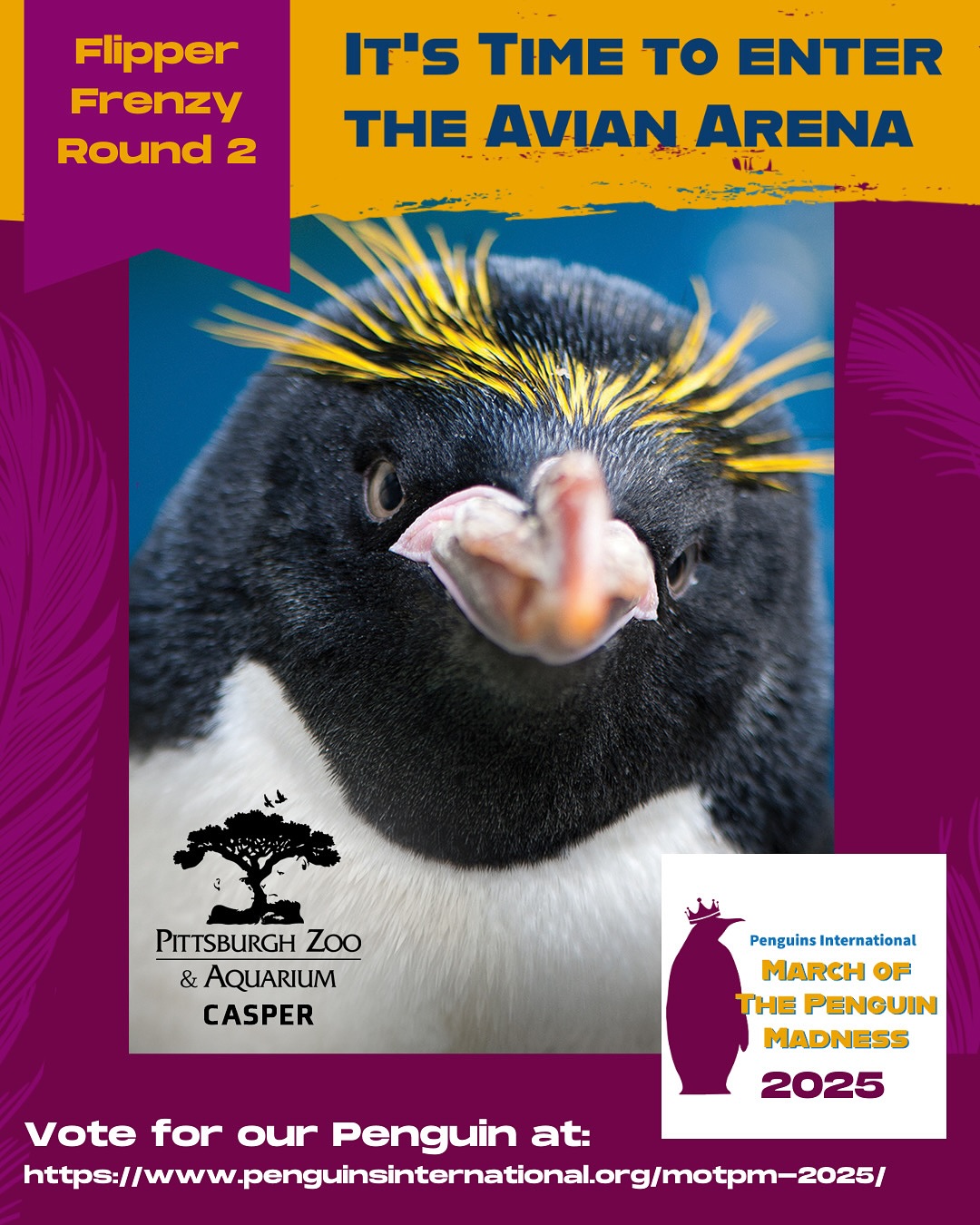
A huge thank you to everyone who has supported Floppy and Casper so far in March of the Penguin Madness! Your contributions have had a substantial impact, mobilizing support that is crucial in advancing wildlife conservation missions. Engaging communities broadly enhances the efforts to protect vulnerable species like penguins, and your votes truly matter. As we prepare for Round 2, let’s maintain this momentum and continue to drive advocacy for our feathered friends.
Community support is vital for wildlife conservation. The significant involvement from individuals can influence funding, awareness, and research initiatives. Local communities often serve as the frontline for conservation. Informed citizens can provide real-time data from their natural environments. By spreading awareness, we can help mitigate the threats that these animals face, from habitat loss to climate change. Your participation ensures that resources are allocated effectively to preserve species like Floppy and Casper.
Floppy and Casper represent the appeal of penguins, a group of flightless birds known for their charm and social behavior. Penguins are primarily found in the Southern Hemisphere, with species such as the Emperor penguin and the Adélie penguin captivating audiences worldwide. Each species has unique adaptations that allow them to thrive in harsh, cold climates. For example, Emperor penguins have a layer of thick blubber and tightly packed feathers that insulate them against frigid temperatures. Additionally, their social structures are complex, influencing breeding, feeding habits, and overall survival.
Voting and public support are essential in conservation campaigns, particularly through initiatives like Penguin Madness. Each vote signifies commitment, making it clear that communities value these species. It can drive funding, awareness, and scientific research focused on penguin habitats, behavior, and conservation techniques. Each dollar spent on these campaigns helps facilitate research opportunities and improves general knowledge regarding penguin health and preservation methods.
As votes are cast, educational initiatives linked to penguin conservation become even more important. These efforts include interactive exhibits, educational programs, and partnerships with schools. Such initiatives serve to enlighten the public about the critical role penguins play in their ecosystems. They can also create champions for conservation among younger generations. Understanding the ecology of penguins fosters respect and affinity. Workshops and talks conducted by zoos can help disseminate vital information, ensuring that the knowledge spread is fact-based and actionable.
For continued support and awareness in future rounds, strategic communication is essential. Utilize social media platforms, newsletters, and local events to sustain interest. Grassroots movements can often create a ripple effect, influencing public opinion and community action. By collaborating with organizations dedicated to penguin conservation, they can provide valuable resources to maintain ongoing initiatives. Each interaction helps solidify alliances and ensures a comprehensive approach to addressing penguin conservation challenges.
Wildlife conservation requires concerted efforts from various stakeholders. It is crucial to understand what Floppy and Casper symbolize for the ongoing struggle to protect penguins. Your votes are more than just numbers. They are an expression of solidarity for those working tirelessly to ensure these animals continue to thrive in the wild. By keeping this momentum, we can elevate their voices above the challenges they face. Your continued engagement will play a pivotal role as we approach the next phase of the Penguin Madness.
Educators play an integral role in disseminating information about penguin species and their habitats. Schools and educational institutions can implement curricula that integrate conservation science and environmental studies, focusing on penguin ecology. Students learn about biodiversity, ecological integrity, and the importance of all species in a healthy environment. Activities such as field trips to zoos or aquariums can also foster deeper appreciation for wildlife.
Insight into penguin behavior further elevates appreciation for these remarkable birds. They possess unique characteristics, such as group foraging, which enhances their ability to locate food in the ocean. Observing their social structures can illustrate important ecological principles, including cooperation and competition in nature. Understanding how penguins interact with their habitats bolsters the argument for increased conservation efforts.
In a world of rapidly shifting climates and habitats, penguins face numerous threats—most notably, climate change. Melting ice and changing ocean currents can disrupt their food sources, forcing them to travel further distances to feed. Overfishing and pollution further exacerbate these challenges, endangering their populations. By supporting campaigns like Penguin Madness, you are contributing to a larger movement aimed at addressing these pressing issues.
Conservation does not occur in a vacuum. Every individual who supports these campaigns can make a difference. As your votes continue to stack up, they serve as tangible evidence of public interest in preserving penguin populations. Each action taken in March is a stepping stone toward a more significant impact that can resonate beyond the voting period. Let’s not underestimate the power of collective action in shaping the future for our most vulnerable wildlife.
As we gear up for Round 2, let’s increase our efforts to keep the conversation alive. Share your thoughts on social media, engage in discussions with peers, and promote awareness about penguin conservation. Consider organizing local events to raise funds or simply to spread information about penguin habitats. Each interaction could inspire someone to take action or even join our collective vote for Floppy and Casper.
Your votes have paved the way for these important conservation initiatives. Let’s keep our voices strong and ensure they echo through the corridors of wildlife conservation. As this campaign progresses, we will see its benefits ripple into broader efforts. Penguins represent not just a species; they symbolize the interconnectedness of ecosystems and the urgent need for conservation measures in our changing world. Now is the time to keep pushing for victory as we rally around Floppy and Casper.
Remember that conservation is a continuous journey. Your involvement doesn’t have to stop after voting. Engage in learning opportunities and dialogue about wildlife issues. Seek out resources that inform you about the changing landscapes that these animals face, as your knowledge will better equip you to advocate effectively. Together, we can drive the momentum forward and ensure that the focus on penguin conservation remains strong and vibrant throughout the year and beyond.
*****
Source Description
A huge thank you to everyone who has supported Floppy and Casper so far in March of the Penguin Madness! Your votes have made all the difference, and we are ready for round 2! Let’s keep the momentum going and push them to victory! Keep voting through @penguins_international and on their website! 🐧👑
