
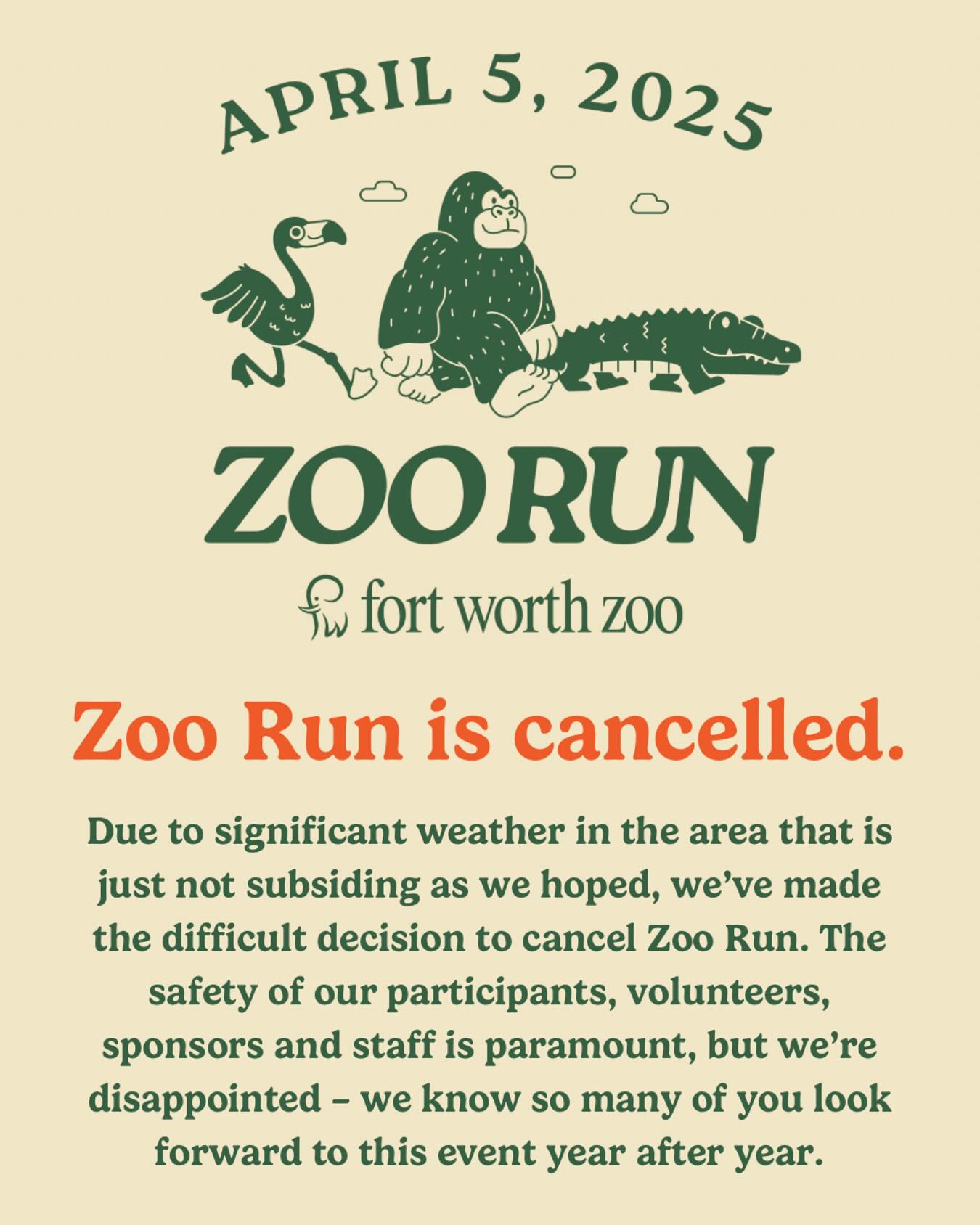
- The significance of the Zoo Run and its role in promoting wildlife conservation.
- Understanding the logistics of event participation, T-shirt retrieval, and zoo admission.
- Insights into zoo management practices and their impact on wildlife care.
- The importance of community engagement in conservation efforts and public education.
- Exploring the relationship between recreational activities like the Zoo Run and environmental stewardship.
The significance of the Zoo Run goes beyond mere physical activity; it operates as a vital component in the broader context of wildlife conservation efforts. Events such as these create awareness and raise funds that can be directed towards animal preservation projects, habitat restoration, and education about endangered species. Participants often gain first-hand insight into the challenges facing wildlife today, making them ambassadors of conservation in their communities.
Additionally, the Zoo Run fosters a sense of camaraderie among participants who share a common goal—supporting wildlife organizations and promoting awareness about animal welfare. Numerous zoos collaborate with animal welfare organizations, scientists, and community members to ensure their events have a lasting impact. This grassroots approach enriches the experience for those involved while also contributing to lasting change in how we interact with wildlife.
Understanding the logistics of event participation is essential for a seamless experience. Participants will receive detailed information via email later this morning regarding how to retrieve their Zoo Run T-shirts as well as their zoo admission tickets. The T-shirt serves not only as a memento of the event but also as a conversation starter about the conservation initiatives that participants have supported. Retrieval locations and schedules are typically organized in advance to minimize confusion, facilitating easier access for attendees.
Zoo admission tickets included with the registration offer attendees a chance to explore the various exhibits that house an array of species from different geographical locations. This experience further immerses participants in the mission of the zoo, highlighting the importance of biodiversity and conservation. Educational materials often accompany zoo admissions, encouraging deeper engagement with the animals and ecosystems showcased within the zoo’s facilities.
Zoo management practices have significant implications for the welfare of animal inhabitants. Zoos today are not merely places for public exhibition; they serve as sanctuaries and education centers focused on breeding programs, rehabilitation efforts, and species recovery plans. Managers must navigate various aspects of animal care, including nutrition, habitat design, and healthcare, to ensure the well-being of resident species. Additionally, animal enrichment activities are critical, as they mimic natural behaviors essential for the animals’ mental health.
Many modern zoos adopt a holistic approach that combines animal welfare with educational programming aimed at informing the public about the threats facing wildlife. This dual focus supports both conservation efforts and the mission of enriching the lives of animals under human care. When participants engage in events like the Zoo Run, they indirectly support these efforts.
Community engagement is a cornerstone of wildlife conservation and plays an influential role in educational endeavors provided by zoos. Events like the Zoo Run promote not only participation but also foster a sense of ownership over local wildlife conservation initiatives. By involving people from different backgrounds and age groups, zoos can capitalize on diverse perspectives to develop innovative solutions for environmental challenges. This reinforces the necessity of public involvement to drive conservation-forward movements.
Community-based conservation projects often yield significant benefits that are both social and ecological. Collaborative workshops create spaces where community members can learn about local ecosystems and the impact of their actions on wildlife. Enthusiasts become informed advocates, sharing their newfound knowledge with friends and family. Such grassroots training programs form a vital link between conservation institutions and the general public, making it essential for events like the Zoo Run to thrive and succeed.
Recreational activities, including the Zoo Run, weave a narrative where enjoyment meets environmental stewardship. Participating in fun runs allows individuals to appreciate nature while simultaneously reinforcing their connection to wildlife. Participants emerge from these experiences inspired to advocate for animal rights and habitat protection, understanding the role they play in the larger conservation story. This synergy between leisure and education produces a more informed citizenry, one that recognizes the importance of protecting endangered species and their habitats.
Furthermore, physical fitness runs stimulate economic activity, often benefiting local businesses and contributing to community sustainability. The influx of participants can result in increased foot traffic in nearby areas, enhancing both awareness of the local ecosystem and providing additional resources for conservation funds. As participants forge connections within their communities, they bolster local conservation projects and advocate for long-term change.
As we await the detailed email regarding T-shirt retrieval and zoo admission, it is crucial to remember the broader implications of participating in such events. The sense of community fosters both awareness and financial support for animal welfare initiatives.
Preserving wildlife is a complex endeavor that necessitates collaboration from various stakeholders. By attending events like the Zoo Run, participants support not only the operational costs associated with zoo management but also promotional efforts aimed at garnering attention for endangered species and habitat loss. Each entry fee assists in funding the myriad programs committed to conservation, making each participant a stakeholder in the protection of wildlife.
Zoos also play a pivotal role in scientific research focused on understanding animal behaviors and health challenges faced in natural environments. Through partnerships with universities and research institutions, zoos contribute to a growing body of knowledge that informs conservation strategies globally. Events such as the Zoo Run help elevate public support for these essential programs, creating a feedback loop that benefits scientific inquiry and animal care.
The exploration of wildlife conservation is enriched by public participation. This idea resonates deeply when we engage in events like the Zoo Run. The tangible experience of acquiring a T-shirt and visiting the zoo creates an emotional connection between participants and the conservation efforts they support. It serves to remind us that every small action contributes to a larger collective movement.
As participants look forward to receiving their email with vital information, it is essential to recognize the significance of their involvement. Engaging in recreational activities while supporting conservation underscores a commitment to the health of our planet and its inhabitants.
Such community-focused events build enthusiasm for wildlife conservation and foster connections among diverse groups. People become more aware of the specific challenges facing wildlife in their regions, as well as the importance of advocating for fair treatment of animals. They emerge not only as informed citizens but also as empowered advocates for change.
The integration of recreational activities with conservation efforts highlights the importance of collaborative approaches to environmental stewardship. Through participation in the Zoo Run, individuals enhance not only their fitness but also their understanding of wildlife conservation issues.
By fostering community awareness and generating financial support for wildlife conservation, events like the Zoo Run serve as invaluable tools in education and outreach efforts. The ripple effects of such events can lead to long-term changes in attitudes towards wildlife, promoting a cultural shift that prioritizes ecological responsibility.
As we await further instruction on retrieving T-shirts and zoo tickets, let us reflect on the broader significance of our collective actions. The relationship between recreation and conservation is multifaceted and profound. With each participant’s effort, we work toward a shared goal that ensures a sustainable future for the animal kingdom.
Ultimately, every run contributes to a bigger picture, where compassion for animals and a commitment to preserving their habitats are paramount. The enthusiasm generated by events like the Zoo Run can spark lifelong interests in conservation, encouraging new generations to engage with wildlife issues and to advocate for sustainable practices.
Understanding the vital role of zoos in wildlife preservation creates a more conscientious public. As we prepare for the upcoming event, remember that each small action—each run, each T-shirt, and each ticket—forms a piece of the puzzle that is crucial for the bigger mission of conserving our planet’s unique and diverse wildlife.
*****
Source Description
We will be in touch with participants via email later this morning with more information about retrieving your Zoo Run T-shirt and Zoo admission ticket. Thank you for your patience!
