
- Clifford’s Early Life and Family History
- The State of the American Red Wolf Population
- Progressive Retinal Atrophy and its Impact on Clifford
- The Role of Zoos in Conservation Efforts
- The Legacy of Clifford and American Red Wolves
Clifford’s Early Life and Family History
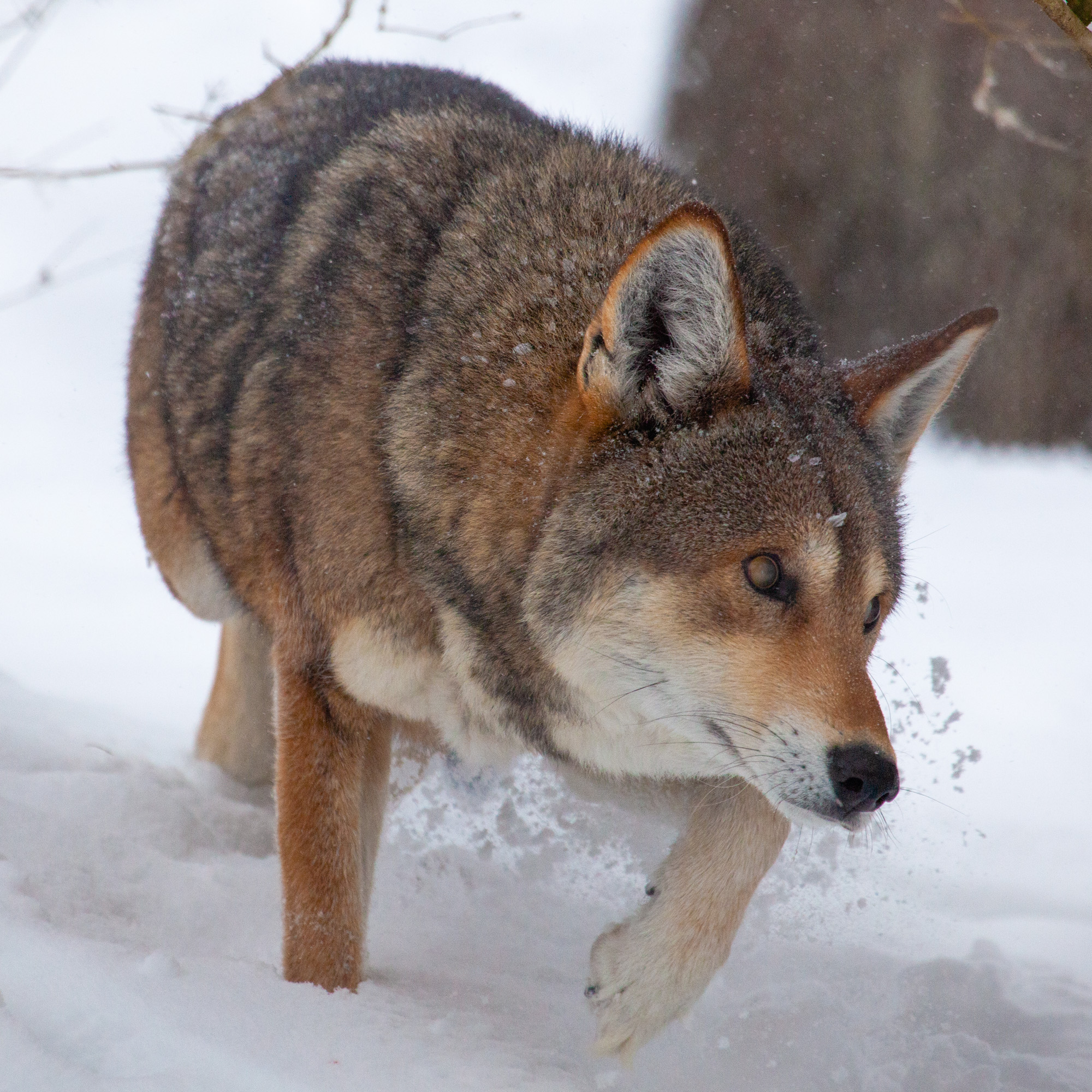
Clifford was born on May 2, 2012, at Trevor-Lovejoy Zoo, a facility that is committed to the conservation of endangered species. He was part of a significant litter of six American Red Wolves, which included his brother Dan and four sisters. Clifford’s parents, Luna and Shiloh, played essential roles in his upbringing. Luna, a nurturing figure, provided care and guidance during Clifford’s formative years. This close bond was evident until Luna’s passing in 2018, after which Clifford shared his habitat with other wolves, Shy and most recently, Juno.
The early socialization he experienced in his family pack allowed Clifford to develop essential social skills, which are crucial for canids. The dynamics of wolf packs are intricate; they rely heavily on hierarchical structures, communication, and cooperation amongst members. Understanding these interactions is vital for anyone interested in animal behavior and the natural history of canids.
The State of the American Red Wolf Population
The American Red Wolf is classified as critically endangered, with fewer than 300 individuals remaining in the wild and in accredited zoos. Historically, this native species roamed across a vast area in the eastern United States, from Florida to Pennsylvania. However, habitat destruction, hunting, and interbreeding with coyotes have significantly contributed to their population decline. Conservationists recognize the unique genetic traits of the American Red Wolf and the importance of protecting this species from extinction.
In addition to the captive population, a reintroduced group now exists in eastern North Carolina, where ongoing conservation efforts aim to stabilize and expand their numbers. Programs led by the U.S. Fish and Wildlife Service and various conservation organizations focus on habitat restoration and public education to promote coexistence with local communities. Clifford’s life in captivity highlighted the importance of such initiatives, demonstrating not only his species’ plight but also the potential for recovery through dedicated conservation work.
Progressive Retinal Atrophy and its Impact on Clifford
In 2017, a significant health issue emerged when our veterinary team diagnosed both Clifford and his brother Dan with Progressive Retinal Atrophy (PRA). This inherited genetic condition leads to gradual, painless vision loss, ultimately affecting the animal’s ability to navigate its environment. Observing this condition materialize in Clifford was challenging for our staff and visitors alike. Knowledge about PRA and its impact on canids is critical for understanding the broader health issues faced by endangered species and underlines the need for genetic screening and responsible breeding practices.
Fortunately, the detection of PRA led to the removal of both dogs from the breeding program. Preventing potential propagation of this genetic condition is essential to the long-term survival of the American Red Wolf population. Understanding genetic health issues in endangered species allows for informed decisions in breeding and conservation strategies, highlighting the interconnectedness of wildlife management and animal welfare.
The Role of Zoos in Conservation Efforts
Zoos play a pivotal role in wildlife conservation, serving as both sanctuaries for endangered species and educational platforms for the public. The AZA SAFE (Saving Animals From Extinction) program, which emphasizes collaborations across institutions, is just one example of how zoos strive to protect vulnerable species like the American Red Wolf. By providing comprehensive care and enriching environments, zoos engage in active conservation measures that extend beyond their facilities.
Clifford’s career as an ambassador for the American Red Wolf underscores the valuable educational opportunities that come from having animals in human care. Through public presentations, animal encounters, and educational signage, visitors learned about the critical status of the species and the broader ecological implications of wildlife conservation. Animals like Clifford help illustrate the necessity of habitat preservation, sustainable practices, and community involvement, which are foundational elements for effective conservation strategies.
The Legacy of Clifford and American Red Wolves
Clifford’s passing marks not only a loss for our zoo community but also a significant moment in the broader narrative of American Red Wolves. His life spanned 13 and a half years, exceeding the typical lifespan of red wolves in captivity, which ranges from 12 to 15 years. This longevity reflects the exceptional care and attention he received from our animal care team, who dedicated countless hours to ensuring his well-being.
Clifford’s impact on visitors, students, and staff extends far beyond his lifetime. He helped foster a connection between humans and wildlife, bringing awareness to the challenges endangered species face. His presence served as a motivational catalyst for many who became engaged in conservation efforts, whether through volunteering, donating to wildlife programs, or advocating for policy changes to protect natural habitats.
The ongoing plight of the American Red Wolf requires unwavering commitment from the public and conservation organizations. Clifford represented not only the fragility of his species but also the hope that comes from dedicated efforts to restore their population. Through continued education, breeding programs, and habitat conservation, future generations may witness the re-establishment of healthy red wolf populations in the wild. Clifford’s legacy will undoubtedly inspire future conservationists, reminding them of the bond between wildlife and humanity.
Clifford’s story is a testament to the complexities of wildlife conservation and the essential role that zoos play in preserving endangered species. As we reflect on his life, it is crucial to renew commitments to ongoing conservation efforts, supporting the specialized programs that focus on genetic health, habitat protection, and educational outreach. The loss of an individual like Clifford serves as a stark reminder of the work still needed to ensure that the American Red Wolf and other endangered species not only survive but thrive for generations to come.
*****
Source Description
We are sad to report the passing of Clifford, one of our American Red Wolves, at the age of 13.
Clifford was born on May 2nd, 2012, here at the Trevor-Lovejoy Zoo, to Luna and Shiloh as part of a litter of six wolves which included Clifford, his brother Dan, and their four sisters. Clifford lived with his mother Luna until her passing in 2018. He then shared his exhibit with Shy, and most recently Juno.
The American Red Wolf is a critically endangered species, once native to the eastern half of North America, from Florida to Pennsylvania. Now less than 300 red wolves remain, mostly in AZA accredited zoo like ours. A small re-introduced population resides in eastern North Carolina.
Clifford got his name because he was a big red wolf, taking after his father who was quite large for his species. In 2017 we discovered that Clifford and his brother Dan were both losing their vision due to Progressive Retinal Atrophy (PRA) which is an inherited genetic eye disease that causes a progressive, painless loss of vision. It can affect any canid, including dogs, and there is even a form of PRA called RP or Retinitis Pigmentosa that affects humans. But fortunately, because this was detected in Clifford and Dan, they were removed from the Red Wolf breeding program to assist in limiting this disease in the Red Wolf population.
For the past 13 and 1/2 years, our staff, students, and visitors and been able to observe Clifford in his habitat. Although he was somewhat shy, he was a wonderful ambassador for the AZA SAFE program (Saving Animals from Extinction) and helped illustrate the plight of the American Red Wolf to tens of thousands of AZA zoo visitors across his lifetime.
Recently we had observed Clifford’s quality of life and mobility declining rapidly. Last Thursday, along with our veterinary team, we made the difficult but humane decision to euthanize him. The life span of the red wolf is 7 to 8 years in the wild and up to 15 years in captivity, so Clifford lived a long life.
(Continued in comments)
