
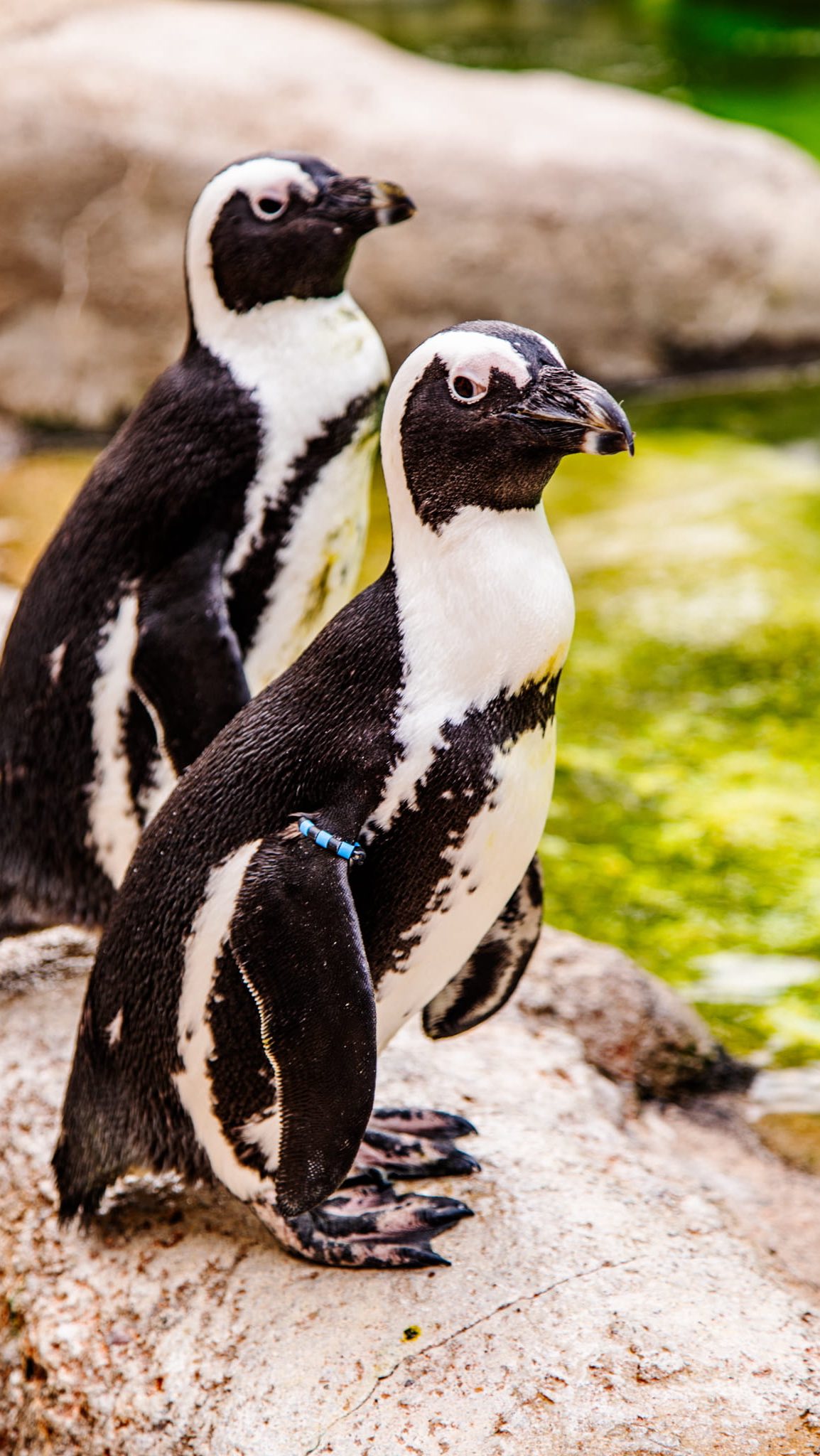
- The significance of nesting season for African penguins.
- The materials African penguins use for nest building.
- The role of zookeepers during nesting season.
- Conservation efforts surrounding African penguins.
- The broader implications of healthy penguin populations.
Nesting season for African penguins is an essential time not just for the birds but also for the ecological balance they maintain. During this period, these aviators engage in behaviors critical for reproduction and colony stability. The urgency of this season connects to their overall population dynamics and conservation status. African penguins (Spheniscus demersus) are classified as endangered, primarily due to habitat loss, climate change, and overfishing. As a result, every successful nesting season holds significant repercussions for their survival.
African penguins generally breed from the end of winter to early summer, which varies based on geographical location. In regions like South Africa, breeding typically peaks from August to December. During nesting, pairs will often use burrows or sheltered areas to raise their young. This nesting season is critical as it directly influences chick survival rates. Approximately 80% of African penguin chicks sometimes fail to survive to adulthood due to various environmental and anthropogenic factors. Thus, understanding the nesting process is vital for anyone interested in wildlife conservation.
The nest building starts with the selection of materials, an intricate process dictated by availability. African penguins tend to build their nests in rocky coastal regions where burrowing is possible. They utilize various organic and inorganic materials to create secure environments for their eggs. Materials typically include lavender, rocks, sticks, leaves, and guano. Each component plays a crucial role in nest construction. Lavender serves not only as insulation but also provides a pleasant scent that may deter predators.
Rocks are another essential building block. They provide structural integrity to the nest and help regulate temperature. The positioning of the rocks can also create microenvironments conducive to chick rearing. Sticks and leaves, on the other hand, serve to line the interior of the nest, giving the chicks a soft, protective layer. Guano, or seabird droppings, is rich in nitrogen and serves as a natural fertilizer that can improve the surrounding soil quality, fostering a healthier environment for growth.
Zookeepers, such as Keeper Liz, play a pivotal role during this period, ensuring that the African penguins have everything they need for successful nesting. Their intelligence and planning skills allow them to understand the penguins’ behavioral cues and needs throughout the nesting season. Zookeepers often monitor the penguins’ nesting habits to guarantee they follow their natural behaviors. They may also provide additional nesting materials if needed, carefully selected to mimic what the penguins would find in their native environments.
The preparation of the breeding area is essential too. Zookeepers work diligently to mimic natural habitats while ensuring the safety of the penguins in captivity. This process often involves maintaining optimal conditions, including shade and proper drainage, to protect nests from both heat and rain. The interface between habitat management and animal welfare becomes increasingly important when considering that African penguins have limited nesting options in their natural habitats due to human encroachment.
Conservation efforts surrounding African penguins are crucial, especially during nesting season. Various organizations focus on habitat restoration, pollution control, and public education to raise awareness about the species. Initiatives often involve community engagement, allowing individuals to participate in habitat clean-ups or research projects. Involvement at the community level fuels a deeper understanding of the threats facing African penguins and encourages actions that can positively impact their survival.
Furthermore, breeding programs in zoos and aquariums help create genetically diverse populations. These efforts are vital to combat the negative impacts of inbreeding and low genetic diversity in wild populations. Conservationists often utilize controlled breeding strategies to ensure that the offspring retain the strongest features for survival in the wild. By maintaining healthy populations in captivity, these programs act as safety nets for species on the verge of extinction.
The broader implications of healthy African penguin populations extend beyond the species itself. As apex predators in their marine ecosystem, penguins play a vital role in maintaining marine biodiversity. Their feeding habits influence fish populations, which in turn affects the entire food chain. Thus, the nesting season not only impacts penguin populations but also contributes to the balance of the oceanic environment.
Climate change remains a pressing concern that threatens the delicate balance of ecosystems that support African penguins. Rising sea temperatures and changing currents influence fish availability, directly affecting food sources for penguins. Conservation strategies need to consider these broader ecological implications for effective results. For example, protecting critical habitats like guano islands and ensuring sustainable fishing practices can directly impact the availability of food for these birds during and after the breeding season.
The public’s role in conservation cannot be overlooked. Educational programs sponsored by zoos and wildlife conservation organizations aim to foster a sense of responsibility and connection with wildlife. Visitors are often encouraged to become advocates for marine life and to support conservation efforts aimed at helping African penguins thrive. The understanding of their nesting behaviors provides an additional layer of appreciation for what these animals contribute to our ecosystems.
As Keeper Liz shares insights into the nesting behaviors of African penguins, it becomes clear that these seemingly simple actions are part of a complex web of survival instincts and ecological interactions. Every rock, stick, and leaf is a testament to their adaptability and intelligence. Each nesting season not only lays the groundwork for another generation of penguins but also offers hope for the preservation of marine environments.
The habits and choices made by African penguins during nesting season are integral to ensuring the longevity of their species. By appreciating this season and the behaviors involved in it, we can foster an environment where healthy penguin populations have the potential to rebound. This nurturing can be paralleled in our efforts to conserve broader marine and coastal ecosystems, as the health of one species often correlates with the health of many others.
In essence, observing the nesting season for African penguins offers a unique opportunity to understand not only their biology but also the fragile ecological networks that connect them to our world. The enthusiasm and efforts of zookeepers like Liz highlight the importance of maintaining commitments to wildlife conservation, particularly during critical life stages like nesting. Public interest and involvement can translate into grassroots movements that have lasting impacts on species survival.
Celebrating the adaptations and instincts of African penguins during this significant time of year fosters a deeper appreciation for wildlife. It prompts us to consider the role each individual plays in preserving not just the penguins, but the entire spectrum of life that shares our planet. Through awareness and action, we can inspire change that supports the diverse mosaic of life in our oceans.
*****
Source Description
It’s nesting season for our African penguins! 🐧 Keeper Liz is here to share how our colony prepares for this special time of year, including how they use materials like lavender, rocks, sticks, leaves and guano to build their nests. 🪻🪨 Watch to learn more!
