
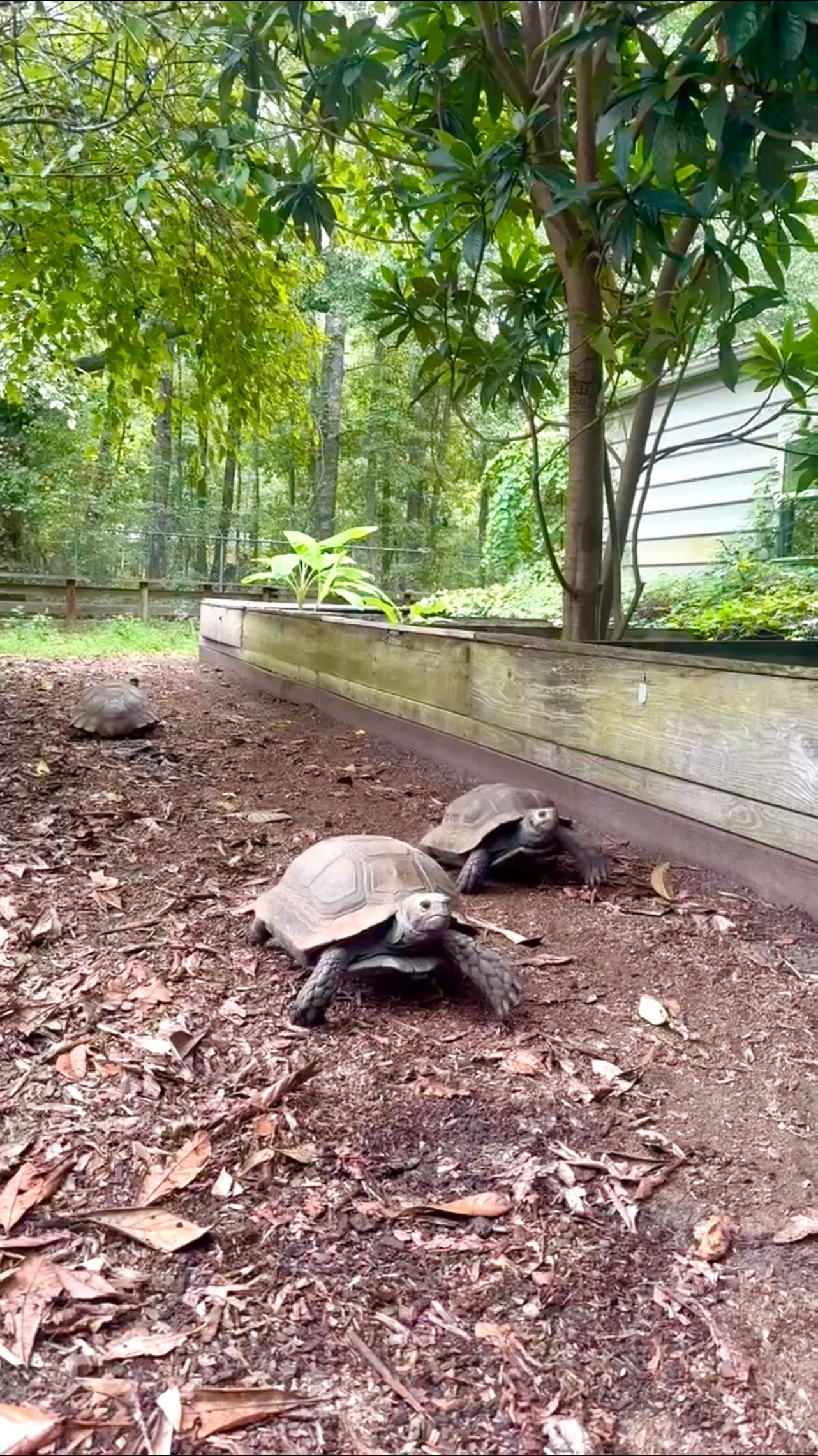
- The Turtle Survival Alliance’s mission and history
- Overview of the Turtle Survival Center in Cross, SC
- Conservation efforts for critically endangered turtle species
- Internship and volunteer programs at the Turtle Survival Center
- Opportunities for sponsorship and community involvement
The Turtle Survival Alliance (TSA) has achieved remarkable strides in turtle conservation since its inception. Established to address the alarming decline of turtle populations worldwide, TSA promotes sustainable practices that preserve these reptiles and safeguard their habitats. Over the years, the organization has focused on a combination of conservation, research, and education, demonstrating a comprehensive approach to addressing turtle survival.
Located in Cross, South Carolina, the Turtle Survival Center has become a beacon of hope for turtles and tortoises worldwide. Since its opening in 2013, the center has grown to accommodate more than 800 individuals representing 27 species. This facility not only serves as a sanctuary for vulnerable species, but also plays a crucial role in creating sustainable populations of critically endangered turtles. The center’s innovative breeding programs, habitat restoration efforts, and public outreach initiatives make it a model for global conservation.
At the core of TSA’s mission is the protection of critically endangered species such as the Yangtze Giant Softshell Turtle and the North American Wood Turtle. Many species are on the brink of extinction due to habitat loss, pollution, and illegal trade. The center provides a safe haven where they can thrive away from these threats. Conservationists conduct detailed population monitoring, studying physical health and reproductive habits, which allows them to improve care protocols and inform breeding strategies.
One of the most significant aspects of the center is its focus on breeding programs designed to maximize genetic diversity. Genetic testing helps identify compatible mates, thereby ensuring that the offspring inherit robust traits essential for survival. This scientific approach serves as a vital tool to combat the issues of inbreeding, often encountered in captive populations. These traits are critical when reintroducing these individuals into their natural habitats.
Public education and awareness are equally important to the TSA mission. The organization actively engages the community through workshops, seminars, and outreach programs. By teaching people about the threats facing turtles, TSA promotes active participation in conservation. This educational outreach garners greater public support and recruits volunteers who contribute time and resources toward turtle preservation.
The Turtle Survival Center also emphasizes partnerships with other conservation organizations and government agencies to enhance conservation efforts. Collaborating with local and international groups allows TSA to share knowledge, resources, and expertise. These partnerships extend the center’s influence beyond its immediate facility, creating a network of support for turtle conservation globally.
Internships and volunteer opportunities are essential components of the TSA mission, inviting community members to become directly engaged in conservation efforts. The center offers hands-on experience in animal care, habitat maintenance, and educational program development. Interns and volunteers receive essential training in turtle husbandry, breeding protocols, and the overall management of endangered species. This experience serves as an invaluable foundation for those interested in pursuing careers in wildlife biology, veterinary medicine, or conservation management.
In addition to educational programs, the TSA underscores the importance of sponsorship and community involvement. Through financial contributions from individuals and organizations, the center can maintain its facilities and expand its efforts. Sponsor-funded initiatives support the breeding programs, habitat restoration efforts, and public outreach initiatives. Donations directly contribute to the ongoing care of the turtles, ensuring that the resources remain available for conservation activities.
The Turtle Survival Center stands as a testament to what can be achieved through dedication, expertise, and community support. Its multifaceted approach combines science, education, and collaboration, addressing the multitude of issues threatening turtle populations. By highlighting the vital link between community involvement and conservation success, TSA paves the way for future generations to gain knowledge and appreciation for the incredible diversity of turtles and tortoises.
Understanding the wider implications of turtle conservation is essential. Turtles play critical roles in their ecosystems, serving as both prey and predator. They contribute to soil and water health, and their decline can have cascading effects on other wildlife and ecosystems. Therefore, initiatives taken to protect turtles extend far beyond their species; they serve to sustain broader ecological networks.
With climate change and habitat destruction exacerbating the vulnerabilities of turtle populations, the urgency of action has never been higher. The TSA’s proactive approach provides a beacon of hope, guiding collaborative efforts to raise awareness and mobilize support for turtle conservation initiatives. Its range of programs illustrates the need for community engagement and highlights the impact that individuals can have on local and global scales.
In summary, the Turtle Survival Alliance exemplifies what dedicated conservation can achieve. The organization’s strategy integrates practical conservation methods with education and community engagement. This comprehensive framework is instrumental in fostering a deeper understanding of the challenges facing turtles. As the world grapples with increasing environmental pressures, the work of TSA serves as a vital reminder of the importance of preserving biodiversity and the interconnectedness of all species.
Engaging with the Turtle Survival Center through internships, volunteer programs, or sponsorship initiatives not only contributes to the immediate conservation needs but also fosters a sense of responsibility toward global environmental health. Each effort—big or small—can create ripples of change that positively impact turtle populations and their habitats. The journey towards turtle conservation continues to reveal new insights and promising collaborations, signaling a hopeful future for these remarkable reptiles.
Every individual’s contribution enhances the TSA’s mission, reinforcing the collective responsibility we share toward preserving our planet’s biodiversity. By participating in these initiatives or supporting through sponsorship, community members fuel the critical work being done at the Turtle Survival Center, emphasizing the essential role that informed, dedicated individuals play in conservation efforts.
*****
Source Description
Behind the scenes with the Turtle Survival Alliance 🐢
Their Turtle Survival Center in Cross, SC has become a leader in conservation, caring for more than 800 turtles and tortoises representing 27 species. Since opening in 2013, the center has focused on creating sustainable populations of critically endangered species, serving as a model for global conservation. 🌎
A big thank you to the TSA team for hosting us and sharing their mission. Explore internship, volunteer and sponsorship opportunities through the link in our bio.
