
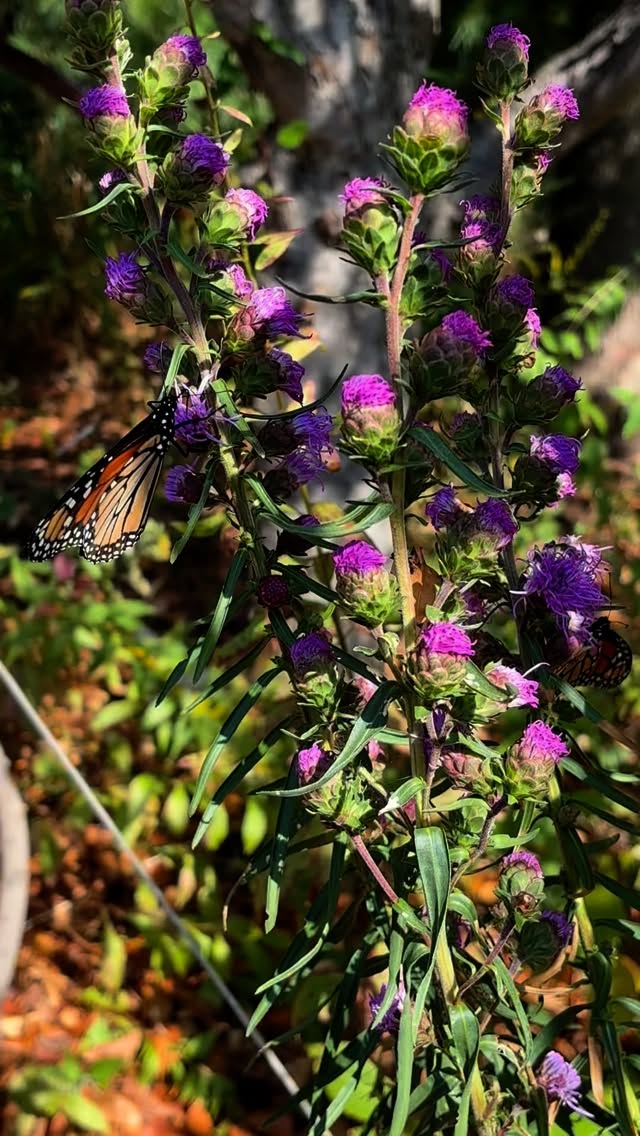
- The significance of the Monarch butterfly in ecosystems and biodiversity
- Educational opportunities during the Monarch Experience event
- Conservation efforts and the role of community involvement
- Fun activities for all ages at the Monarch Experience
- The importance of pollinators and their direct impact on food production
The Monarch butterfly, scientifically known as Danaus plexippus, is an emblematic figure in the study of ecological systems and biodiversity. Its remarkable migratory pattern and colorful appearance have captivated researchers and the public alike. Monarchs migrate thousands of miles from North America to central Mexico each year. This long journey not only showcases their resilience but also highlights their role as critical indicators of ecosystem health. As they travel, they contribute to the lifecycle of many plants by pollinating flowers, which in turn supports a vast array of other wildlife species, including birds and mammals.
Participation in the Monarch Experience on September 20 and 21 presents a prime opportunity for attendees to learn about these butterflies and their remarkable journeys. The event is aimed at educating people about the strides being made in butterfly conservation and provides a platform for creating awareness surrounding their significant ecological role. Visitors can engage in informative sessions, gaining insights from experts in zoology and conservation. In addition to becoming acquainted with Monarchs, guests will delve into the larger narrative of pollinators and their undeniable contributions to agriculture and natural ecosystems.
Educational opportunities abound during the Monarch Experience. This family-friendly event is designed to cater to individuals of all ages. Experienced educators will lead discussions explaining the biology and behavior of Monarch butterflies, highlighting their life cycle from egg to caterpillar, chrysalis, and finally adult butterfly. Learning about this metamorphosis can be fascinating for children and adults, alike, illustrating fundamental concepts of life sciences. Hands-on activities, such as creating butterfly gardens or learning how to tag butterflies for research purposes, will serve to engage participants further. These activities not only captivate attendees but also offer practical advice on how to support local butterfly populations, thereby fostering a sense of responsibility and commitment to nature in younger generations.
The Monarch Experience is not just a celebration of butterflies; it incorporates discussions around critical conservation efforts. Over the years, Monarch populations have faced significant challenges due to habitat loss, climate change, and pesticide use. Habitat destruction, specifically, has led to a reduction in milkweed, the primary food source for caterpillars. By educating attendees about these pressing issues, the event encourages community involvement in butterfly conservation. Local conservation groups and organizations will be present to discuss ongoing initiatives aimed at restoring habitats and creating sanctuaries for Monarchs and other pollinators.
Engagement in these discussions can empower individuals to take action in their own communities. Simple initiatives, such as planting native milkweed and nectar plants, can significantly impact local Monarch populations. Participants will leave the event with actionable steps for contributing to wildlife conservation. Community support is essential in safeguarding the habitats that Monarchs and other pollinators depend upon.
Fun and informative activities will appeal to visitors of all ages during the Monarch Experience. From guided nature walks to butterfly-themed crafts, the event will provide multiple options for individuals to engage with nature on a personal level. Children will enjoy butterfly face painting, while adults may appreciate photography workshops focused on capturing the elegance of Monarchs in flight. Food trucks featuring locally sourced ingredients will further enhance the experience, allowing visitors to enjoy delicious meals while appreciating the rich biodiversity surrounding them.
In celebrating Monarch butterflies, it’s vital to recognize the larger group of pollinators that contribute to our food systems and natural ecosystems. The health of our ecosystems is inextricably linked to the well-being of these insects. Over 75% of flowering plants rely on pollinators to reproduce, highlighting the importance of these creatures in the agricultural industry. The Monarch Experience not only emphasizes the individual significance of the Monarch but also serves as a model for understanding the interconnectedness of various species and their roles within ecosystems.
The Monarch Experience, set for September 20 and 21 from 10 a.m. to 4 p.m., offers an enriched environment for learning about both the natural history and the ecological significance of Monarch butterflies. It is truly an occasion for families and friends to connect with nature and deepen their understanding of biodiversity and conservation. Participants will gain a more profound knowledge of the challenges faced by Monarch populations and how they can contribute to ongoing efforts.
The inclusion of interactive elements during the event enhances opportunities for learning. For example, the chance to observe the butterfly life cycle up close, whether through live displays or digital presentations, fosters a deeper appreciation for these fascinating creatures. Seeing caterpillars transform into butterflies or understanding how their migration patterns function can solidify one’s commitment to conservation ideals.
Moreover, the Monarch Experience provides a platform for local conservationists, ecologists, and educators to share their stories and research. Attendees will have the chance to ask questions and engage with experts, enhancing the experience further. These interactions can inspire participants to consider careers in zoology or conservation, or simply encourage them to become better stewards of their local environments.
Through the event, attendees are not only learning about Monarch butterflies but also forming valuable connections to their ecosystems. Relationships with local conservation groups can offer continued ways for individuals and families to engage long after the event concludes. Joining citizen science projects, participating in clean-up efforts, or volunteering at local gardens can take their newfound enthusiasm for butterflies and transform it into tangible community actions.
By focusing on the importance of pollinators like the Monarch, the event shines a spotlight on environmental issues that impact everyone. As urban areas expand and ecosystems change, awareness and action become paramount. The Monarch Experience serves as a reminder of the fragility of these systems but also encourages hope through community involvement and conservation efforts.
As September 20 and 21 approach, excitement builds for a day filled with discovery, education, and appreciation for one of nature’s most captivating butterflies. Whether participants come as families, friends, or solo adventurers, the Monarch Experience promises a memorable encounter with the wonders of nature. The knowledge gained will not only enrich individual lives but also contribute to broader conservation efforts aimed at protecting these vital pollinators for generations to come.
With increased participation and attention, we can work together towards restoring habitats, ensuring the safety of pollinators, and fostering a more sustainable relationship with our environment. Join the celebration, learn about these extraordinary animals, and leave inspired to take action in your own community. The forthcoming Monarch Experience is not just an event; it is a stepping stone towards a more informed and engaged society, ready to tackle the challenges facing our ecosystems.
*****
Source Description
Get ready for a fluttering good time! Join us for the Monarch Experience on Sept 20 & 21 from 10 a.m. – 4 p.m. Bring a friend, family, or fly solo!
🎥: Caitlin Jackson
