
- The significance of the International Day of Zoo and Aquarium Educators.
- The role of zoo and aquarium educators in conservation efforts.
- Educational programs and initiatives that connect the public to wildlife.
- Case studies and success stories highlighting impactful educational outreach.
- The future of zoo and aquarium education and its importance in biodiversity preservation.
The International Day of Zoo and Aquarium Educators, celebrated on the second Thursday of November each year, plays a vital role in acknowledging the essential contributions made by zoo and aquarium educators. These educators serve as bridges between wildlife and the public, promoting conservation and biodiversity through engaging programs and outreach initiatives. They inspire individuals to care for wildlife and strengthen societal connections to nature.
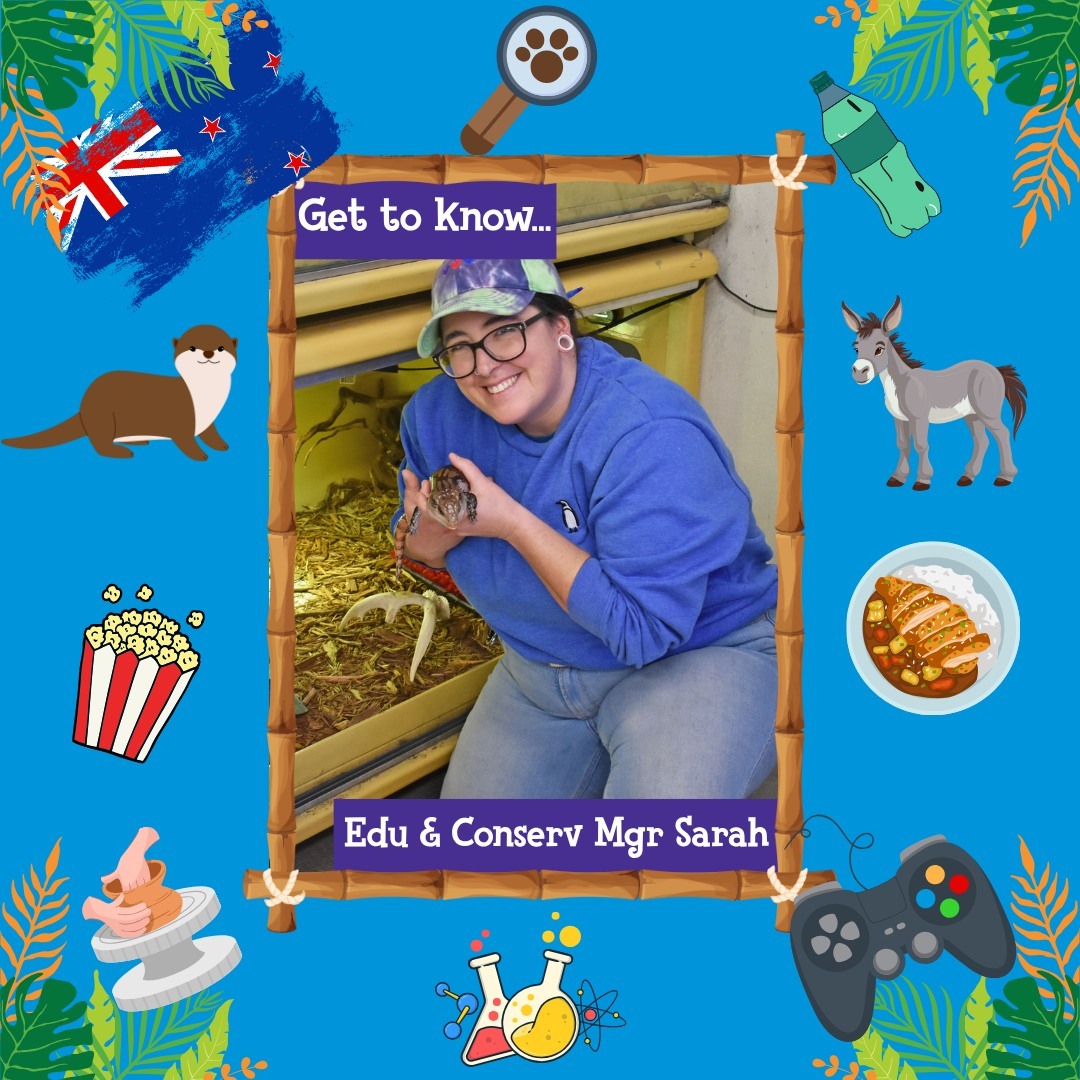
This day serves as a celebration, highlighting the hard work and dedication of educators like Sarah, the Education and Conservation Manager, who plays a pivotal role in fostering an educational environment that emphasizes the importance of wildlife conservation. Her commitment, alongside educators worldwide, brings people together to appreciate the beauty of animals and the need for their protection.
Zoo and aquarium educators contribute significantly to conservation. They create awareness about endangered species and habitats, seeking to translate complex scientific data into relatable concepts for the general public. One effective method is through storytelling, which captivates audiences and allows them to see wildlife not just as statistics, but as living beings deserving protection. By sharing stories about the unique traits, habitats, and behaviors of various species, educators can form emotional connections between individuals and wildlife, fostering a sense of responsibility and care.
Moreover, educators implement hands-on programs that immerse participants in wildlife experiences. Programs can include behind-the-scenes tours, animal encounters, and interactive workshops. These initiatives highlight the challenges faced by different species and the delicate balance necessary for ecosystems to thrive. As technology advances, many zoos and aquariums are incorporating virtual reality and digital platforms to reach wider audiences. These tools enhance interactive learning and can be pivotal in areas where access to wildlife education is limited.
Educational initiatives are designed not only to inform but also to inspire action. Many educators encourage community involvement through conservation projects and citizen science programs. For example, local clean-up events or habitat restoration projects empower individuals to contribute positively to their environments. These activities not only engage communities but also increase awareness of local biodiversity and its importance. By fostering a culture of stewardship, educators help ensure future generations care for and protect wildlife.
Case studies abound that demonstrate the impact of educational outreach. For instance, several zoos have developed partnerships with schools to enrich science curricula. Programs designed in collaboration with educators allow students to engage deeply with zoological content in a meaningful way. These educational experiences not only enhance learning but also cultivate a lasting interest in wildlife and conservation.
One standout example is the partnership between a local aquarium and schools in an urban area. The aquarium provides resources and training for teachers to incorporate marine biology into their lesson plans. Students are then invited to participate in field trips, where they learn about marine ecosystems and species conservation. This initiative has resulted in measurable improvements in students’ knowledge and attitudes toward marine life. Feedback indicates that many students now pursue careers in environmental science and marine biology, inspired by these educational experiences.
Looking towards the future, the role of zoo and aquarium education remains crucial. As biodiversity loss continues to escalate globally, the demand for educated advocates in conservation efforts is more pressing than ever. Educators are adapting their methods to address contemporary challenges, such as climate change and habitat destruction, ensuring their programs are relevant and impactful. Collaborations between zoos, aquariums, and conservation organizations are becoming increasingly common, allowing for greater resource sharing and strategic planning.
The professional development of zoo and aquarium educators is also essential. Ongoing training allows educators to stay informed about the latest scientific research and conservation strategies. This professional growth empowers them to deliver up-to-date information and instill a sense of urgency regarding wildlife conservation.
Engagement also extends to social media and online platforms. Many educators utilize these tools to disseminate information widely and attract new audiences. Live virtual events, educational podcasts, and interactive social media campaigns create opportunities for public involvement and education. As more people become aware of the critical issues affecting wildlife, they are more likely to engage in conservation efforts.
In summary, the International Day of Zoo and Aquarium Educators is more than a celebration; it’s a call to recognize the vital role educators play in promoting conservation and biodiversity. Their efforts bridge the gap between science and society, instilling a deep connection to nature in individuals of all ages. By enhancing public understanding and fostering action, these dedicated educators are essential to the future of wildlife conservation.
As we honor the contributions of educators today, it is equally important to acknowledge the collective responsibility we share in protecting wildlife and their habitats. By engaging in educational programs, advocating for conservation, and donating time or resources, everyone can be part of the solution.
Let us take this opportunity to support the invaluable work carried out by zoo and aquarium educators, such as Sarah, who tirelessly devote their efforts to protecting our planet’s wildlife. As stewards of the environment, we must foster awareness and action, ensuring that wildlife can thrive for future generations.
*****
Source Description
🌎 Today is the 𝐈𝐧𝐭𝐞𝐫𝐧𝐚𝐭𝐢𝐨𝐧𝐚𝐥 𝐃𝐚𝐲 𝐨𝐟 𝐙𝐨𝐨 𝐚𝐧𝐝 𝐀𝐪𝐮𝐚𝐫𝐢𝐮𝐦 𝐄𝐝𝐮𝐜𝐚𝐭𝐨𝐫𝐬!!! This day is celebrated on the second Thursday of November to showcase and recognize the work of zoo and aquarium educators who promote conservation and biodiversity, inspire the public to care for wildlife, and help the public create a deep connection to nature through educational programs, outreach, and other initiatives!
❤ Here is to our superstar Education & Conservation Manager Sarah (pictured above with her pal Indigo), thank you for all of the invaluable work you do to help bring others closer to the wild!
