
- Understanding the biology and behavior of rays
- The ecological importance of rays in marine ecosystems
- Conservation challenges facing ray populations
- Strategies for protecting rays through effective management and education
- The role of individuals and organizations in ray conservation
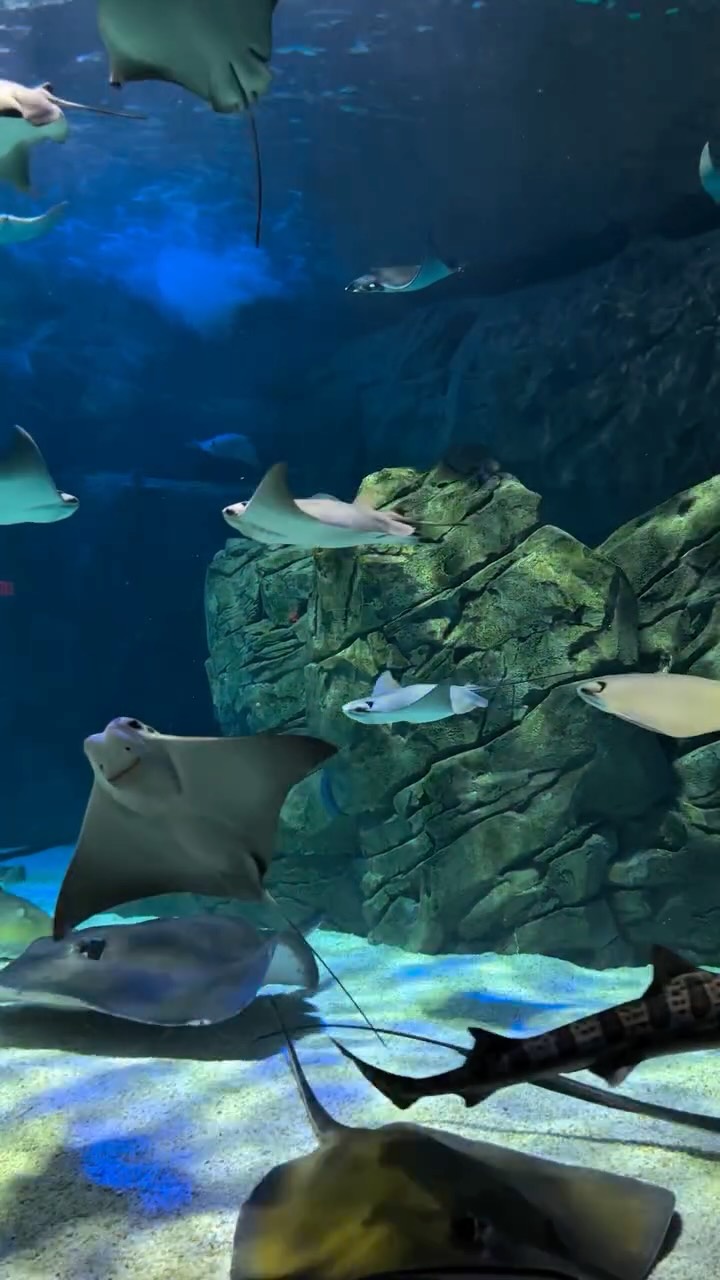
Rays belong to the class Chondrichthyes, which includes various species that roam the ocean floor. These fascinating creatures are closely related to sharks, sharing many biological characteristics. Rays exhibit diverse behaviors, ranging from solitary hunting to social groupings during certain seasons. The anatomy of rays, particularly their flattened bodies and distinct pectoral fins that resemble wings, allows them to glide smoothly over the seafloor and navigate through their habitats effortlessly. They possess a unique form of locomotion known as undulation, where they flap their pectoral fins to propel themselves through water. This adaptation not only aids in movement but also helps rays in hunting prey and avoiding predators.
Rays play a crucial role in their ecosystems. As both predators and prey, they help maintain the balance of marine life. Their diet primarily consists of mollusks, crustaceans, and small fish, which they find by using their electroreceptors. These receptors, located in their snouts, detect the electric fields generated by potential prey. This ability is particularly beneficial in murky waters where visibility is limited. By feeding on benthic organisms, rays contribute to the health of seabeds and help control populations of shellfish and other invertebrates. Their movements can also stir up sediment, promoting nutrient cycling and fostering diverse marine habitats.
Yet, ray populations are facing significant threats from human activities. Overfishing is one of the primary drivers of decline. Rays are often caught unintentionally as bycatch in commercial fisheries targeting other species. Additionally, the demand for ray products, such as meat, cartilage, and skins, exacerbates their vulnerability. Habitat destruction due to coastal development, pollution, and climate change further endangers their survival. Many species, including Manta rays and Devil rays, are listed as threatened or vulnerable by the International Union for Conservation of Nature (IUCN). In some regions, their populations have declined by up to 90% over the last few decades.
Addressing these challenges requires comprehensive strategies that involve both effective management and public education. Creating no-fishing zones and implementing size and catch limits can protect ray habitats and help populations recover. Sustainable fishing practices must be promoted to lessen bycatch. Engaging local communities in conservation efforts can enhance the effectiveness of these initiatives. Education plays a vital role in raising awareness about the importance of rays and the challenges they face. Informative campaigns can inspire individuals to take action, whether it’s choosing sustainably sourced seafood or participating in beach clean-ups to protect marine environments.
Organizations devoted to marine conservation play a pivotal role in advocating for rays and their habitats. These groups often conduct research to monitor ray populations and understand their ecological needs. By collaborating with governments, scientists, and local communities, they work towards establishing effective policies that safeguard marine biodiversity. Public engagement through citizen science projects can empower individuals to contribute to data collection efforts. This participatory approach fosters a sense of stewardship and responsibility towards marine ecosystems.
Individuals also have a significant impact on ray conservation. By supporting marine protected areas, choosing sustainable seafood, and spreading awareness, everyday actions can create a ripple effect. Volunteer opportunities in marine conservation projects offer hands-on experience and help build a community of advocates. Online platforms and social media provide avenues for sharing information and mobilizing support. These small efforts, paired with larger organizational initiatives, contribute to a collective movement towards preserving ray species and their marine environments.
Understanding rays leads us to appreciate their role as essential contributors to our oceans. They embody the complexity of marine ecosystems and remind us of our responsibility to protect these environments. The simple wave of a ray as they glide through water symbolizes the connection we share with nature. Each awareness campaign, conservation initiative, or individual action is a step towards ensuring the survival of rays for generations to come. Thus, as various communities and organizations unite to protect rays, they echo the welcoming nature of these creatures: “hi” to everyone as they dive gently through the waves of our oceans.
*****
Source Description
Our rays just really wanted to say ‘hi’ to everyone.
Give them a WAVE! 🌊 👋
