
- The Life and Habitat of Jake Quillenhaal
- Conservation Efforts and Their Importance
- Zoological Management and Animal Welfare
- Educational Impact and Public Engagement
Jake Quillenhaal, a fascinating subject for zoology enthusiasts, serves as a focal point for understanding the intricate relationship between wildlife conservation, zoo management, and public education. This article delves into the complex ecosystem Jake inhabits and highlights critical conservation efforts aimed at preserving this precious species.
The Life and Habitat of Jake Quillenhaal
Jake Quillenhaal represents a species dwelling in diverse habitats, ranging from dense forests to open plains. These regions are characterized by a rich variety of flora and fauna, providing essential resources for survival. The species thrives in areas with ample vegetation, which offers both food and protection from predators.
Diet plays a vital role in the life of Jake Quillenhaal. The species primarily feeds on a mixture of plants and small insects, a diet that sustains their energetic lifestyle. The availability of water sources is equally important, as they require regular hydration to maintain their health.
Habitat loss poses a significant threat to Jake Quillenhaal. Deforestation, urbanization, and agriculture disrupt their natural environments, leading to diminished available resources. Preservation of these habitats through conservation initiatives is crucial for their survival in the wild.
Conservation Efforts and Their Importance
The importance of conservation efforts to protect Jake Quillenhaal cannot be overstated. Conservation organizations are actively working to protect natural habitats and implement breeding programs to bolster populations. These efforts help maintain genetic diversity, which is critical for the resilience of the species.
Community involvement is a cornerstone of conservation strategies. Educating local populations about the benefits of preserving wildlife creates sustainable partnerships. Communities play a significant role in safeguarding the environment, as their cooperation is essential for successful conservation outcomes.
Partnerships between governments, non-profits, and zoos are paving the way for innovative conservation approaches. These collaborative efforts focus on habitat restoration, combating illegal poaching, and promoting biodiversity. Conservationists are continually seeking new methods to protect the species for future generations.
Zoological Management and Animal Welfare
Effective zoological management is crucial in maintaining the health and wellbeing of Jake Quillenhaal in captivity. Zoos worldwide are tasked with creating environments that closely mimic natural habitats. This involves the use of enrichment activities to stimulate natural behaviors and reduce stress.
Animal welfare is guided by principles that prioritize nutrition, medical care, and psychological health. Zoo staff monitor dietary needs, ensuring that Jake receives a balanced diet akin to their wild counterparts. Regular health check-ups allow for early detection of potential medical issues.
Behavioral observation is a key component of zoological management. It helps provide insights into the mental and emotional states of Jake Quillenhaal. Understanding these behaviors enables staff to make informed decisions regarding enrichment and habitat adjustments, optimizing their well-being.
Educational Impact and Public Engagement
Zoos serve as valuable educational platforms, offering an opportunity for the public to learn about Jake Quillenhaal and other species. Educational programs aim to foster appreciation for wildlife and inform visitors about conservation challenges. This knowledge encourages proactive conservation actions at individual and community levels.
Interactive exhibits and guided tours allow visitors to gain a deeper understanding of Jake Quillenhaal’s natural habits and needs. These experiences create personal connections to wildlife, inspiring a sense of responsibility for environmental stewardship.
Public engagement goes beyond education; it empowers individuals to contribute to conservation efforts. By supporting zoos and participating in conservation programs, visitors become active participants in preserving biodiversity. This collective action is vital for ensuring a sustainable future for Jake Quillenhaal and countless other species.
The story of Jake Quillenhaal is a testament to the enduring bond between humans and wildlife. Through collaborative efforts in conservation, informed zoo management, and public education, we can create a future where this remarkable species continues to thrive.
*****
Source Description
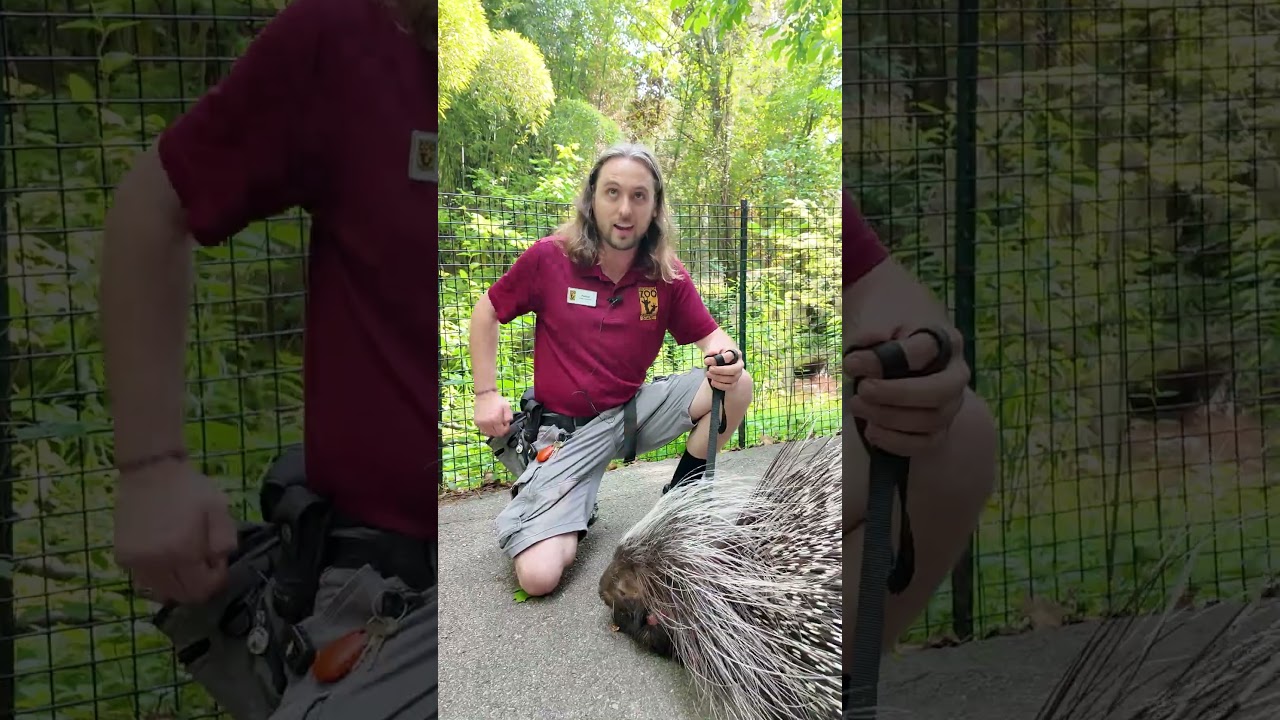
Kick back with Jake Quillenhaal and learn all about Cape porcupines from Zookeeper Paxton! 🦔
