
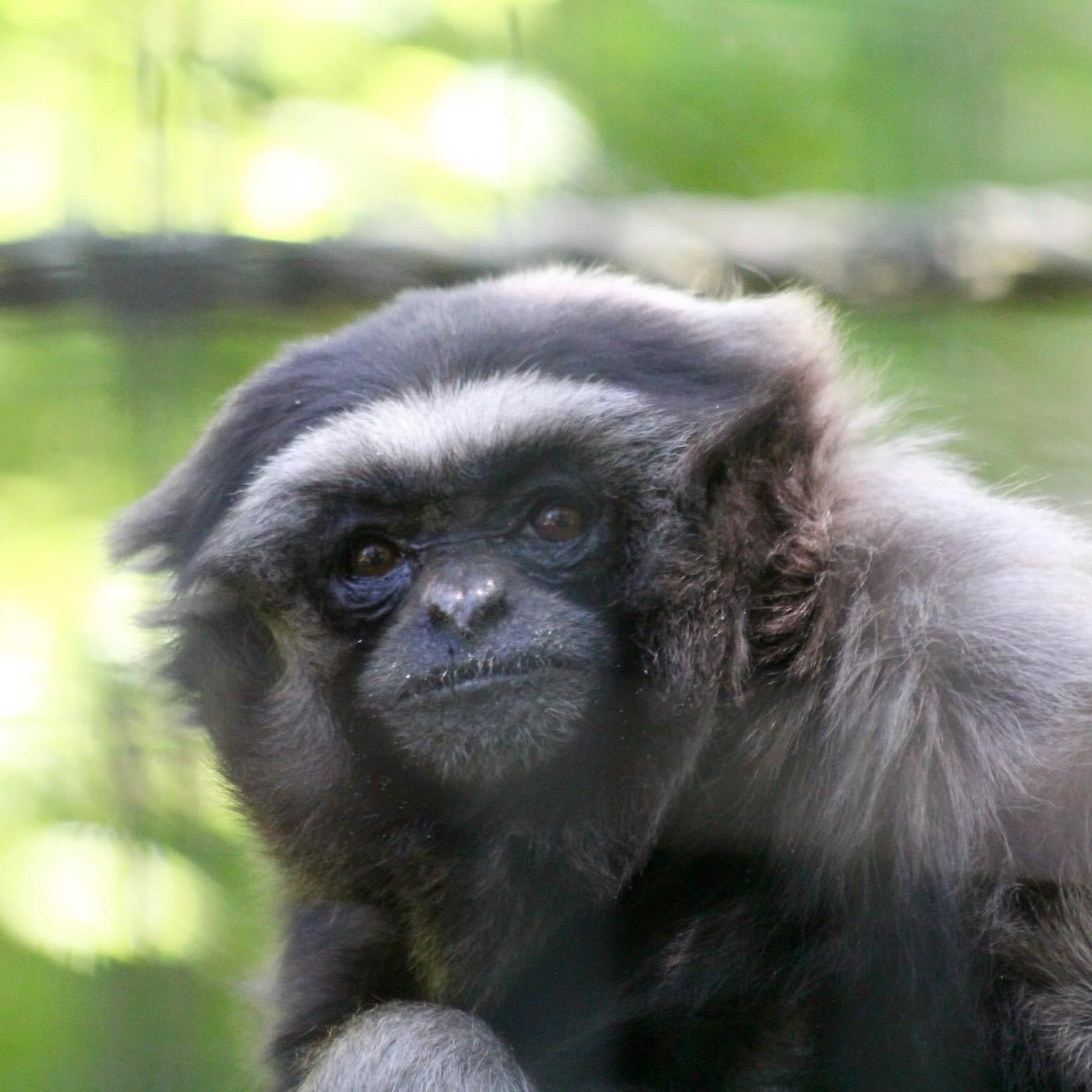
- Overview of Berta’s significance as the oldest Müller’s gibbon in human care
- Characteristics and behavior of Müller’s gibbons
- The role of zoos and wildlife conservation in preserving endangered species
- Insights into gibbon care and management in captivity
- The importance of celebrating animal birthdays for awareness and engagement
Berta, born in 1966, holds a remarkable distinction as the oldest Müller’s gibbon in human care. Celebrating her 59th birthday is not just a tribute to her longevity but also underscores the vital role of captive breeding and conservation programs that aim to protect these fascinating primates. Berta’s presence in a zoo results from careful monitoring and management designed to safeguard her health and wellbeing. This event is more than a birthday celebration; it represents a commitment to wildlife preservation.
Müller’s gibbons, also referred to scientifically as Hylobates muelleri, are small apes known for their short limbs and distinctive singing abilities. They have a unique adaptation to their arboreal lifestyle, allowing them to swing effortlessly through the trees. Berta’s age showcases the advancements in animal care that contribute to prolonged longevity in gibbons. In their natural habitats, Müller’s gibbons enjoy lush, tropical forests predominantly found in Southeast Asia. The animals thrive in social groups led by a bonded pair, which is crucial for maintaining their complex social structures.
Understanding the character of Müller’s gibbons can provide insights into the broader context of primate behavior. These gibbons exhibit fascinating traits, including their loud vocalizations, which serve various purposes—from attracting mates to establishing territory. The intricate patterns of their calls can resonate for miles, making communication vital in dense forest environments. Berta’s rich vocal repertoire likely reflects her many years of experience and social interaction within her habitat.
The role of zoos extends beyond mere exhibition; they are pivotal in conservation efforts. Many gibbon species are endangered due to habitat loss and poaching. Zoos engage in breeding programs that aim to bolster declining populations. The case of Berta illustrates how zoo habitats can be structured to mimic natural conditions closely. This is essential for fostering animal behaviors that contribute to a thriving life in captivity.
In recent years, the focus has shifted towards ensuring animal enrichment in captivity. Environmental enrichment is a key element of zoo management that promotes mental stimulation, physical activity, and social engagement among animals. This can range from providing complex apparatus for swinging and climbing to introducing novel objects or scents in their environment. Such initiatives help combat the potential risks of stress and boredom in captive animals, supporting their overall health.
Animal welfare in zoos is a multi-faceted approach that involves veterinarians, zookeepers, and behavioral specialists. Berta’s care team likely incorporates a range of strategies to monitor her health actively. Regular check-ups, diet modifications, and behavioral assessments contribute to a holistic understanding of her needs. For instance, as gibbons age, they may require dietary adjustments to address changes in metabolism or dental health.
Celebrating Berta’s birthday serves another crucial purpose—the engagement of the public in wildlife conservation. Events like this foster a sense of community and awareness regarding the challenges faced by animals in the wild. Bringing attention to Berta’s story encourages visitors to recognize the role of zoos in the broader context of conservation efforts. This kind of engagement can inspire individuals to take action, whether through advocacy, volunteering, or supporting conservation organizations.
Furthermore, birthdays can serve as educational opportunities. As visitors gather to celebrate Berta, zookeepers and educators can share information about Müller’s gibbons, their habitat, and the threats they face in the wild. It creates a unique platform for fostering empathy and understanding, key components in promoting wildlife conservation.
The importance of protecting gibbons extends beyond Berta and her kin. As primates, gibbons play integral roles in their ecosystems. Their feeding habits influence forest structure as they help to disperse seeds and assist in plant propagation. The loss of gibbons could have cascading effects on their habitats. Therefore, the conservation of species like Müller’s gibbons is essential for maintaining ecological balance.
As we gather to celebrate Berta at 11:30 AM, it’s essential to reflect on what her story represents. Her life encapsulates a journey of survival and resilience, not just for herself but for her species. With ongoing conservation initiatives and awareness campaigns, there is hope for a future where gibbons thrive in their natural habitats once more.
In summary, the life of Berta the Müller’s gibbon is a poignant reminder of the contributions zoos make toward wildlife conservation. Through scientific care, public education, and active engagement, we can better understand these species and the complexities that surround them. Celebrating Berta’s 59th birthday is not only a time for joy; it serves as a crucial moment to reflect on the challenges faced by Müller’s gibbons and the ongoing efforts needed to protect them for generations to come.
As her friends, family, zookeepers, and visitors gather to express their good wishes, it becomes clear that every cheer for Berta is a cheer for conservation. “Everyone says with us… HAPPY 59th BIRTHDAY BERTA!!!” resonates not only as a birthday greeting but as a commitment to safeguarding the rich diversity of life on our planet.
*****
Source Description
Everyone say with us… HAPPY 59th BIRTHDAY BERTA!!!🎈❤️
Born in 1966, Berta is the oldest Müller’s gibbon in human care! Join us for Berta’s birthday party today at 11:30am.🎂
