
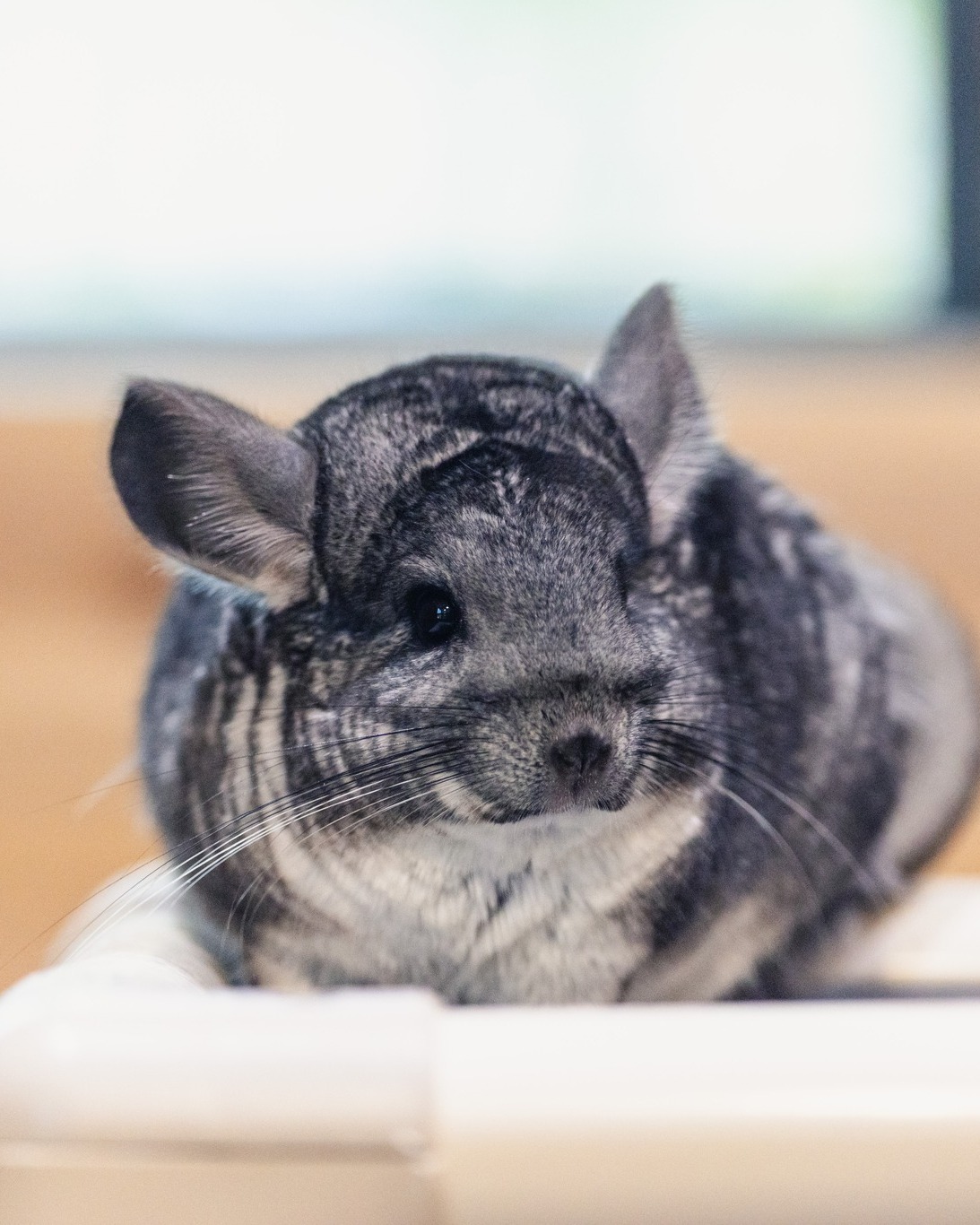
- Overview of long-tailed chinchillas and their natural habitat
- The circumstances leading to the rescue of these chinchillas
- Understanding the care and management of chinchillas in captivity
- The role of animal ambassadors in wildlife conservation and education
- How the new Animal Ambassador Center promotes awareness and engagement
Long-tailed chinchillas (Chinchilla lanigera) commonly inhabit the rocky, arid regions of the Andes Mountains in South America. They are well-adapted to their environment, with dense fur that provides insulation against temperature fluctuations. This thick fur, which is among the softest of any land mammal, serves to protect them in their native habitat where the temperatures can drop significantly at night. With their large eyes and ears, long-tailed chinchillas exhibit excellent night vision and hearing, traits that help them evade predators in the wild.
Recently, three chinchillas—a mother and her two female juveniles—required a forever home due to a distressing animal hoarding situation. These incidents are often characterized by the improper care and insufficient living conditions provided for the animals involved. In this case, the chinchillas were subject to overcrowding and inadequate nutrition, leading to several health challenges. Rescuing them not only provided a safe haven but also opened an opportunity for educational outreach on the importance of responsible pet ownership and animal welfare.
The importance of proper management for chinchillas cannot be overstated when they are housed in captivity. Their unique dietary needs, primarily consisting of hay and specialized pellets, must be met to maintain their health. Unlike many domestic pets, chinchillas have sensitive digestive systems; thus, owners must avoid feeding them inappropriate food items such as fruits or vegetables in excess. Additionally, chinchillas require ample space to exercise. A small living environment can lead to stress and health issues. The design of their habitat at the new Animal Ambassador Center takes these needs into serious consideration, featuring multiple levels and plenty of room for hopping and climbing.
Caring for chinchillas also involves understanding their social nature. They are social creatures that thrive in groups, often found in the wild in colonies. The mother chinchilla, being the older and more experienced of the trio, provides a sense of security and comfort to her young. This familial bond facilitates healthy behavioral development in the juvenile chinchillas. Educators and staff at the Animal Ambassador Center are mindful of these social dynamics, encouraging interaction with the caregivers while allowing for a natural social structure among the chinchillas themselves.
Animal ambassadors like these chinchillas are critical to wildlife conservation efforts. They serve as living examples of their species’ challenges in the wild, highlighting issues such as habitat destruction and the impact of illegal wildlife trade. Their stories help cultivate empathy for wildlife and encourage visitors to think critically about conservation efforts. By sharing insights into their lives and emphasizing responsible pet ownership, the Animal Ambassador Center aims to inspire compassion and advocacy toward chinchillas and other endangered species.
Education extends beyond just the animals themselves; it encompasses the broader environment they represent. The Animal Ambassador Center is committed to promoting awareness about the dangers of animal hoarding and the responsibilities that come with pet ownership. The center plans to host workshops and informational sessions focusing on the proper care of exotic pets, the social aspects of chinchillas, and the importance of support for rescue organizations. In doing so, they hope to create a more informed public that understands the complexities of wildlife conservation.
Visitor engagement is a crucial aspect of the mission at the Animal Ambassador Center. With chinchillas as one of the main attractions, visitors will have the opportunity to learn through interactive experiences including guided tours, educational talks, and designated times to observe these animals in their new habitat. Programs will focus on the contributions that individual behaviors can make in addressing larger environmental issues. Whether it’s recycling or supporting conservation programs, the goal is to instill the belief that every action counts.
The habitat designed for these long-tailed chinchillas will not only enhance their quality of life but will also serve as an educational tool. By observing them in a space that mimics their natural environment, visitors will gain a greater understanding of their needs and behaviors. Features such as climbing structures, bedding materials for burrowing, and areas for dust baths allow the chinchillas to exhibit natural behaviors, fostering both their physical and mental well-being.
The new Animal Ambassador Center’s mission aligns with the broader goals of wildlife conservation. Emphasizing the importance of habitat preservation, responsible pet ownership, and public education will encourage a collaborative effort among community members to promote conservation practices. As the center opens its doors, it aims to be a beacon of hope for animals seeking a second chance and for visitors eager to learn.
Chinchillas are increasingly threatened in the wild due to habitat loss and hunting for their fur, making the work of organizations focused on rescue and rehabilitation critical. Each rescued animal, such as these long-tailed chinchillas, serves as a reminder of the importance of maintaining biodiversity. Through educational outreach, the Animal Ambassador Center hopes to instill a sense of responsibility among visitors, empowering them to make informed decisions regarding wildlife conservation.
Long-tailed chinchillas stand out not just due to their adorable appearance but also because they serve as a vital link between humans and wildlife. From giving them a chance at a better life to educating the public about their needs, the chinchillas at the Animal Ambassador Center exemplify the intersection of animal welfare and environmental stewardship. Educational programs and hands-on experiences will focus on highlighting the interconnectivity of species, emphasizing our role in their survival.
As we look forward to the opening of the Animal Ambassador Center, anticipation builds around these fascinating residents. The chinchillas will not only enrich the center’s offerings but will also serve to raise awareness about the complexities of animal care and conservation. Visitors will leave with a newfound appreciation for these remarkable creatures, and hopefully, implement insights gained into their daily lives.
These long-tailed chinchillas embody the potential for change when it comes to animal rescue. Their presence at the Animal Ambassador Center promises not just educational opportunities but also the chance to instill compassion and advocacy for wildlife conservation in all who visit. The road ahead involves a commitment to ongoing education, responsible practices, and community engagement, all in the name of creating a better world for animals and humans alike.
*****
Source Description
Meet some of our new animal ambassador residents, long tailed chinchillas!
These animals required a forever home after being recently rescued from an animal hoarding incident. The three chinchillas include a mother and her two female juveniles. They are currently living in their new habitat at our new Animal Ambassador Center, opening soon!
Stay tuned on when you can meet our new chinchillas in their new forever home!
