
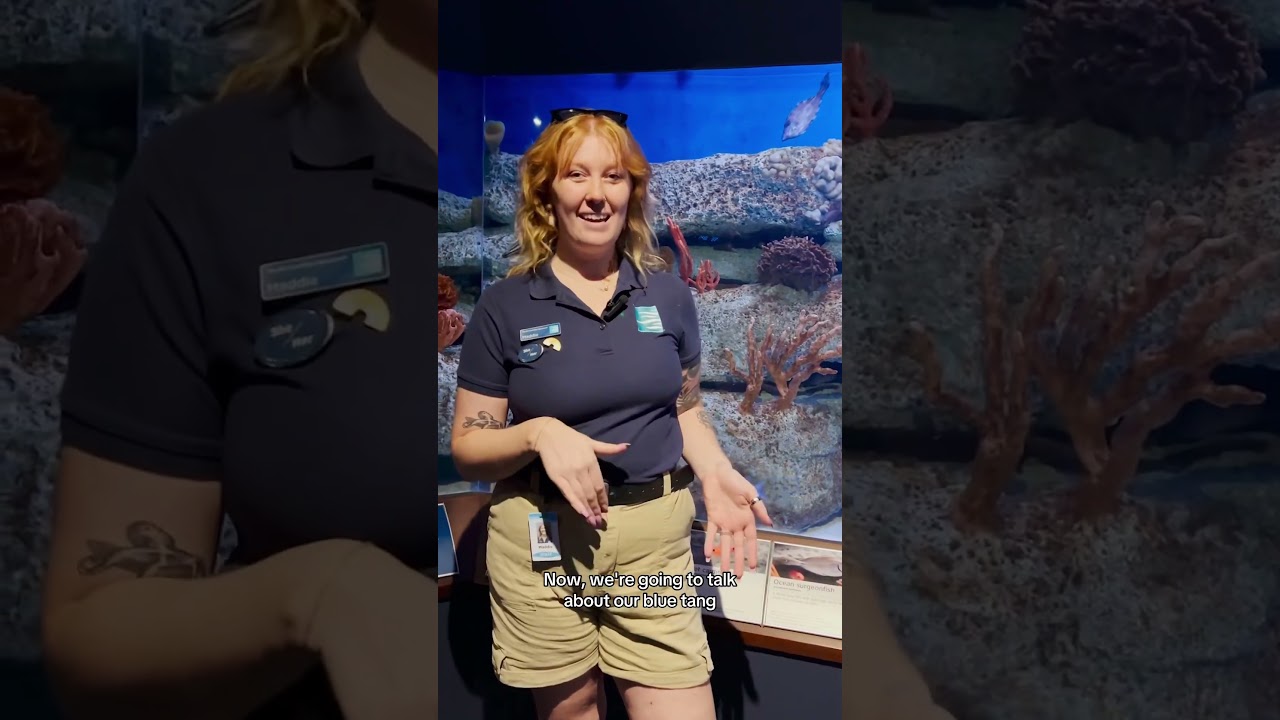
- Identify and explore various red, white, and blue fish species in aquariums.
- Understand the biological and ecological characteristics of these fish.
- Highlight conservation efforts for these fish species in aquariums.
- Examine the role of aquariums in public education and wildlife conservation.
- Discuss the challenges and opportunities in aquarium management for these species.
Aquariums are captivating windows into underwater ecosystems, providing unique opportunities to observe marine life up close. A delightful game for visitors is identifying fish of specific colors, such as red, white, and blue. These vibrant hues are not just beautiful but also good indicators of a species’ health and habitat preferences. By focusing on the rich diversity of red, white, and blue fish, we enhance our understanding of these creatures and their ecological roles. Furthermore, these observations can spark interest in conservation efforts.
Diving deep into the colors, one can find an array of striking red fish such as the Strawberry Grouper and Flame Angelfish. Red coloration often serves as a warning sign to predators, indicating that a fish may be toxic or unpalatable. In contrast, blue fish like the Blue Tang and Regal Blue Tang exhibit colors that blend with the blue aquatic environment, offering camouflage. White fish, such as the Koi, often carry cultural significance and are a testament to careful breeding and selection in aquarium settings.
The biology of these fish species is fascinating. Their colors can result from complex cellular mechanisms involving chromatophores, which are pigment-containing and light-reflecting cells. For instance, erythrophores are responsible for red coloration, while iridophores help create the shimmering blue hues. This biological makeup contributes to their survival in the wild by aiding in communication, mating displays, and protection from predators.
Aquariums also play a crucial role in conservation. With many fish species facing threats from habitat destruction and pollution, captive breeding programs help sustain populations. Organizations often use aquariums to raise awareness about marine conservation, providing educational programs that highlight the importance of preserving aquatic ecosystems. The conservation of red, white, and blue fish goes hand-in-hand with broader efforts to maintain biodiversity.
In managing aquariums, institutions face several challenges. Maintaining optimal water quality, ensuring the health and well-being of different species, and creating environments that mimic natural habitats require intricate care. The management of red, white, and blue fish involves understanding their specific needs, such as diet, social structures, and preferred surroundings. For example, while the Flame Angelfish requires coral-rich environments, the Koi needs different conditions altogether.
Aquariums are educational havens, offering insights into marine life and fostering a love for nature. By showcasing the diversity of red, white, and blue fish, they inspire visitors to think about biodiversity and conservation. These institutions help bridge the gap between humans and the underwater world, encouraging actions that support environmental protection.
In conclusion, exploring the world of red, white, and blue fish within aquariums opens doors to understanding biology, conservation, and the vital role these institutions play in education. Through ongoing conservation efforts, aquariums continue to safeguard our aquatic heritage, ensuring that future generations can enjoy and learn from these vibrant species. As we gaze at these colorful creatures, we’re reminded of the beauty and complexity of marine ecosystems.
*****
Source Description
