
- Understanding Poppy: Her Background and Arrival
- The Bond Between Poppy and Parsley
- The Importance of Animal Adoption and Rescue
- Challenges Facing Animal Care Centers
- Strategies for Responsible Pet Ownership
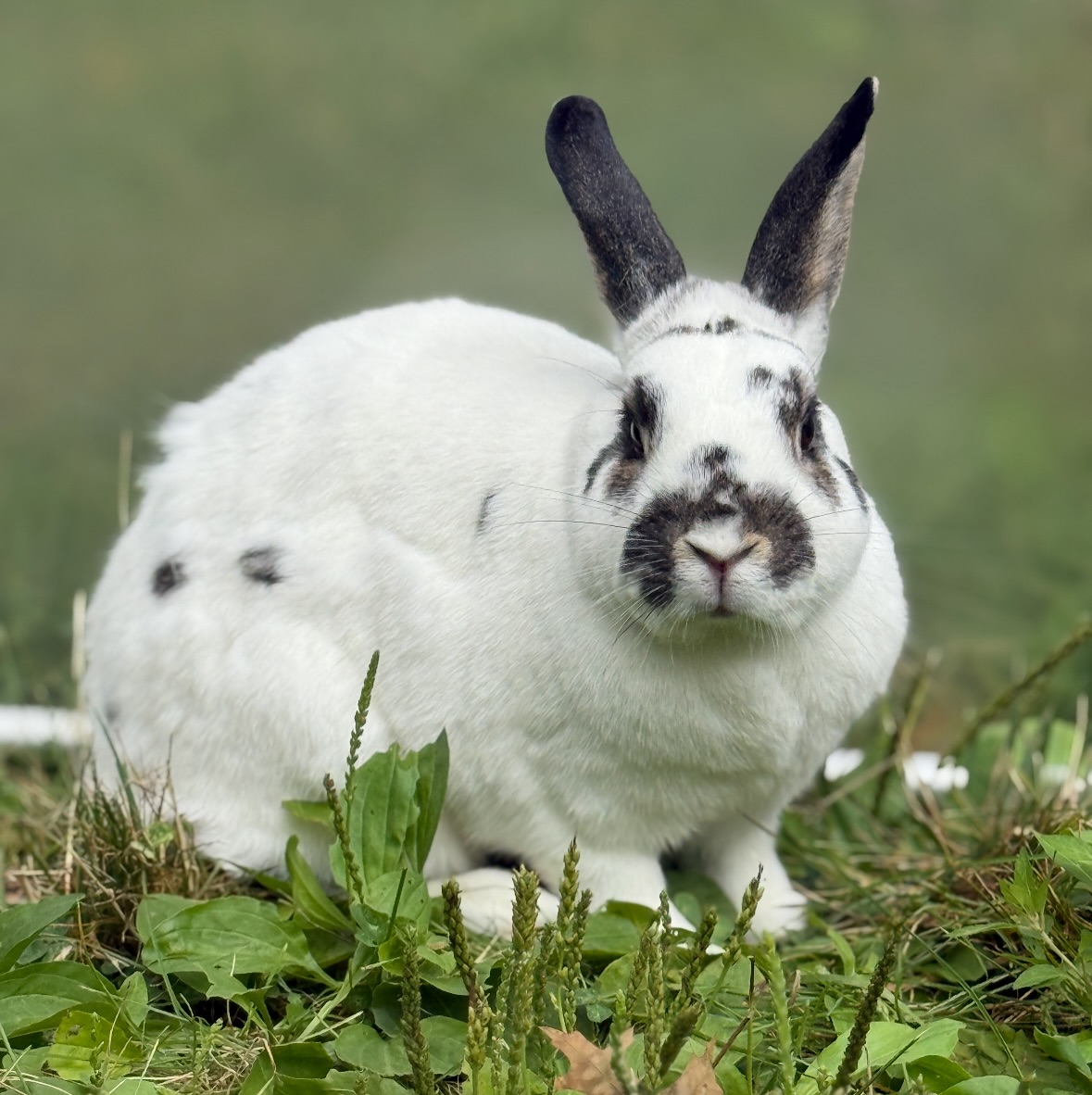
Poppy, the newest ambassador rabbit, brings joy and companionship to our zoo family. A few months ago, we needed a friend for our male rabbit, Parsley. This quest led us to the Animal Care Center (ACC) on Staten Island. After learning about Poppy’s situation, we eagerly welcomed her into our lives. Poppy arrived at the ACC after her first family could no longer care for her. It’s clear they loved her, having instilled in her a calm demeanor and sociable personality. She is quick to greet her caretakers, energetically hopping over to say hello.
Her transition to our zoo was smooth, and the bond she formed with Parsley was immediate. This companionship is vital for rabbits, known for their social nature. Rabbits thrive in the company of their own kind, and Poppy and Parsley exemplify this beautifully. They can often be seen snuggled together, sharing affectionate moments of grooming and nose boops. Parsley, ever the gentleman, even allows Poppy to eat her breakfast first, showcasing a protective instinct that further deepens their connection. The Staten Island Zoo, alongside Parsley, is grateful to the ACC for this perfect match.
Understanding the background of a rabbit like Poppy provides crucial insights into animal behavior and care. As a domesticated breed, rabbits have been selectively bred for thousands of years, creating variations that differ significantly from their wild counterparts. The domestication process has led to enhanced traits, including temperament and physical features that are often more desirable as household pets.
When considering pet rabbits, it’s important to recognize their social needs. Rabbits are highly social animals, often thriving in pairs or groups. Introducing a companion rabbit like Poppy not only enriches her life but also offers emotional stability to her partner. Such relationships can mitigate stress and enhance overall well-being. For owners looking to adopt, understanding these dynamics is fundamental in creating a harmonious home.
Connecting with local shelters or animal care centers is an essential step in the adoption process. Poppy’s journey to the ACC highlights the importance of these organizations. Many animals find themselves in shelters due to unforeseen circumstances, including family changes or financial difficulties. The ACC is currently facing challenges, suspending intake due to critical capacity issues. This state underscores the urgent need for animal adoption. Families looking to enrich their lives with a new furry friend should consider adopting a pet from a local shelter. Not only do they provide a loving home for an animal in need, but they also contribute to reducing the overall animal population in shelters.
The bond between Poppy and Parsley is a wonderful example of how animals interact. Research indicates that rabbits often engage in mutual grooming as a sign of affection and bonding. This behavior not only reinforces their social structure but also plays a crucial role in hygiene. By grooming one another, they keep their fur clean and free from parasites. Observing these interactions can shed light on the importance of social behaviors in rabbits and how they communicate with each other.
Moreover, the protective nature exhibited by Parsley highlights another key aspect of rabbit behavior. In the wild, rabbits are prey animals, with instincts that help them stay safe. Their social groups often work together to monitor for danger, a behavior that can manifest in domesticated settings. Parsley’s protective attitudes toward Poppy not only emphasize their friendship but also demonstrate innate survival instincts. Understanding these behaviors helps caregivers provide better environments for their pet rabbits.
The significance of animal adoption extends far beyond just providing a home. It fosters community awareness about the need for responsible pet ownership and wildlife conservation. By opting to adopt rather than shop for pets, individuals contribute to a more humane approach toward animal care. Pets often require adequate attention, proper nutrition, and mental stimulation. Potential owners must prepare to accommodate the responsibilities that come with a furry family member.
Setting up a suitable environment for rabbits is paramount. Rabbits require spacious areas where they can hop freely and explore. Suitable housing includes spacious enclosures with proper ventilation, safe materials, and hiding places. Enrichment activities like chew toys, tunnels, and safe plants contribute to their mental health. Ensuring that these needs are met is essential for the long-term wellness of the rabbits.
Regular veterinary check-ups are another critical aspect of responsible ownership. Rabbits are prone to certain health conditions, including dental issues and gastrointestinal stasis. Maintaining a routine with veterinary care ensures early detection and treatment of any underlying health problems. Vaccinations and spaying or neutering also play vital roles in preventing future health complications.
In addition, education is fundamental. Pet owners should familiarize themselves with rabbit behaviors, nutrition, and care strategies. This knowledge empowers caregivers to provide the best possible life for their pets. Educators and animal care professionals can organize seminars and workshops to inform the public about proper rabbit care, further encouraging responsible ownership.
The challenges faced by animal care centers necessitate community involvement. Each year, animal shelters are inundated with pets needing homes due to various social and economic factors. These facilities play an essential role in rescuing, rehabilitating, and rehoming animals. Each adoption story, like Poppy’s, showcases the importance of these organizations and the lives they transform.
It’s essential for communities to rally together to support animal care centers. Donations, volunteering time, or fostering animals can make a significant difference in their operations. Awareness campaigns highlighting the plight of shelter animals can mobilize more people to consider adopting. Society’s role in animal welfare extends beyond adoption; it requires continuous engagement to improve situations for abandoned or neglected animals.
Another growing trend in animal care is the importance of spaying and neutering pets. Responsible breeding practices are vital in controlling the overpopulation crisis. Many animals in shelters could be spayed or neutered before being adopted, ensuring they do not contribute to future generations of homeless pets. Public education about the benefits of spaying and neutering is vital for changing perceptions and behaviors.
Community programs that support low-income households in accessing spay and neuter services can also alleviate the burden on shelters. Providing affordable veterinary services and outreach can lead to long-term improvements in the lives of animals and their owners.
Poppy’s arrival at the Staten Island Zoo was not merely a random event; it signifies the greater necessity for animal companionship, ongoing care commitment, and responsible pet stewardship. Her journey emphasizes the importance of shelters while highlighting the significant contribution of diligent organizations like the ACC. Rabbits like Poppy and Parsley are reminders of the joy animals can bring and the responsibilities that come when welcoming them into our lives. Together, Poppy and Parsley represent an understanding of friendship among animals that also serves to educate the public on the importance of humane treatment.
By choosing adoption, you are participating in a broader movement toward wildlife and domestic animal conservation. When individuals take responsibility for their pets and advocate for animal welfare, we create communities that value every living creature. Each adoption transforms not only lives but society as a whole, moving toward a future where every animal has a home and is treated with compassion.
So, as we welcome Poppy into our zoo family, let us also reflect on the significance of animal adoption, the challenges faced by care centers, and the responsibilities of pet ownership. Together, through informed choices and community action, the impact of our shared commitment to animal welfare will be lasting, promoting sustainability and compassion in every aspect of life.
*****
Source Description
Meet Poppy, our newest ambassador rabbit! A few months ago, we found ourselves needing a companion for our male, Parsley. We decided to contact the Animal Care Center located on Staten Island to see if they had any who would be a good fit. Poppy arrived at ACC when her first family was no longer able to care for her. It’s obvious they loved her very much, because she is calm, friendly, and very good natured—she hops right over to her keepers to say hello! Best of all, her and Parsley bonded immediately! They are always snuggled up together, grooming each other, and giving each other nose boops. Ever the gentleman, Parsley is very protective of his best friend and always lets her eat breakfast first. The Staten Island Zoo (and Parsley!) are FURever grateful to the ACC for matching us up with Poppy! 🐰🐰
Currently, ACC is suspending intake due to critical capacity issues. If you are looking to add a new furry member to your family, please consider adopting and giving one of their sweet animals a loving home.
