
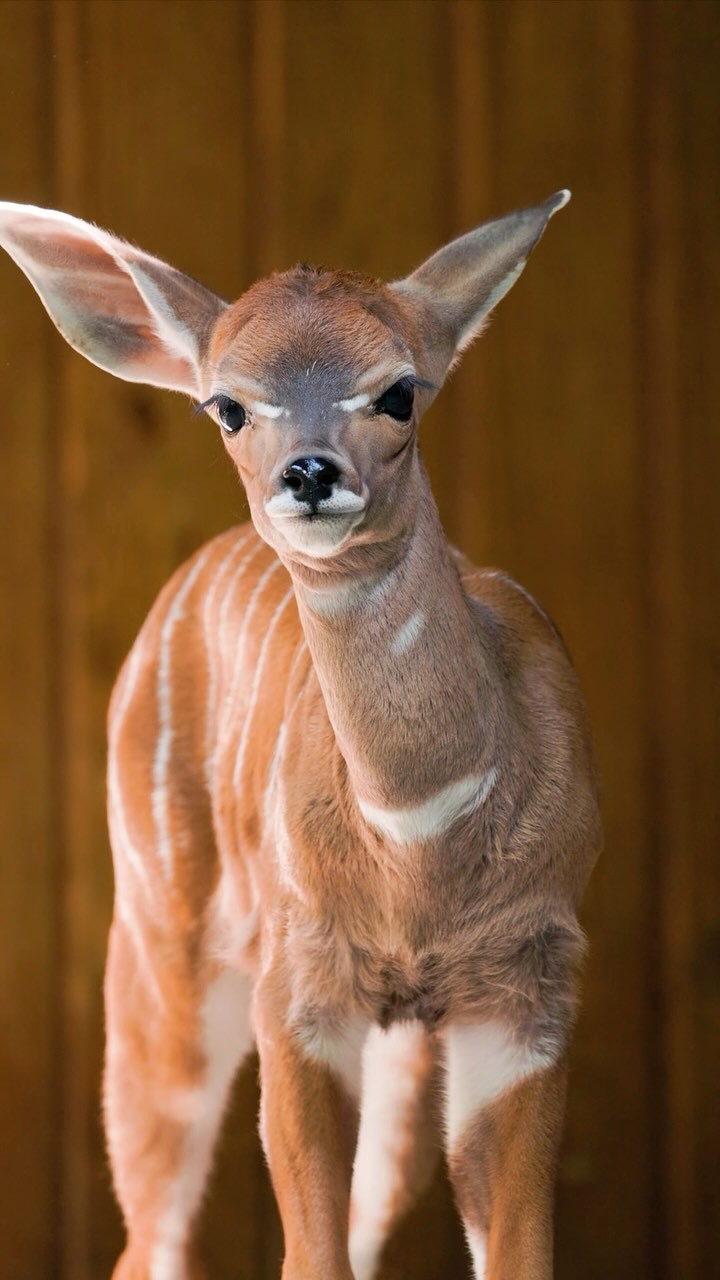
- The significance of lesser kudu in their natural habitat
- Insights on the life of Jager, the newest lesser kudu calf
- The role of zoos in wildlife conservation and education
- Care and management practices for young animals like Jager
- Future goals for the lesser kudu population in zoos and conservation
The lesser kudu, a striking antelope species native to the wooded savannas of East Africa, serves as an important ecological component in its natural habitat. These animals prefer dense bush and forested areas, making them reliant on specific environmental conditions. The lesser kudu is known for its graceful body and remarkable features, including long, twisted horns in males and a beautiful coat marked with white stripes. Their ecological roles include seed dispersal, which contributes to maintaining the health of their environment.
The newest addition to the zoo, a lesser kudu calf named Jager, was born on March 23 to parents Martini and Lemon Drop. This delightful little calf weighed just over 13 pounds at birth, giving him a modest start in life. However, he has experienced rapid growth and now weighs around 25 pounds. This increase is typical of lesser kudu calves, as they require a nutrient-rich diet to support their development.
Jager is described by his keepers as sassy and sleepy. His playful nature often leads him to hide behind the hay bowl for a nap, providing a glimpse into the behaviors often seen in lesser kudu calves. In the wild, lesser kudu calves tend to stay hidden for safety, allowing them to avoid predators until they are strong enough to fend for themselves. This instinct is a crucial part of their survival strategy. For now, Jager is bonding closely with his mother, Lemon, and an “auntie,” Tangerine, as they navigate the early stages of his life and growth behind the scenes.
One cannot overlook the essential role of zoos in wildlife conservation and education. Zoos strive to create safe and enriching environments for their animals while also educating the public about species that may be endangered or threatened. The lesser kudu population faces challenges in the wild due to habitat loss and hunting pressures. By breeding these animals in captivity, zoos contribute to the genetic diversity necessary for a sustainable population. Furthermore, these programs offer hope for future reintroduction efforts into their natural habitats.
In focusing on the care and management of young animals like Jager, zookeepers employ a combination of specialized nutrition, veterinary care, and behavioral enrichment. For lesser kudu calves, a diet rich in high-quality hay and forage, supplemented by specially formulated pellets, supports their swift growth. Veterinary teams monitor their health closely, ensuring that any early signs of illness are promptly addressed. Such proactive measures are essential to ensuring the well-being of both the calf and the entire herd.
Behavioral enrichment plays an equally essential role in the care of lesser kudu calves. Enrichment activities stimulate natural behaviors, helping young animals to develop the skills they will need in adulthood. This can include providing branches for browsing, varying the types of food available, or introducing obstacles within their enclosure for physical activity. This attention to behavioral health ensures that animals like Jager can lead fulfilling, natural lives.
Zoos also contribute to research on lesser kudu and similar species. By studying various aspects of their behavior, health, and social structures, researchers gather valuable insights that inform conservation strategies. Data gleaned from these controlled environments can provide crucial understanding about the lesser kudu’s social systems and lifestyle, knowledge that can be applied to protection efforts in the wild.
Looking into the future, zoos have ambitious goals for the lesser kudu population. Stabilizing and increasing numbers through carefully managed breeding programs is vital. Additionally, educating visitors about the challenges facing lesser kudu in their natural environments fosters a sense of responsibility and stewardship in the public. Awareness encourages efforts aimed at habitat preservation, establishing protected areas, and supporting anti-poaching initiatives.
Finally, the sight of a young lesser kudu like Jager serves as a living ambassador for his species. The chance to witness these beautiful animals can inspire visitors to connect with wildlife conservation efforts. When people understand the intricacies of animal care and the challenges faced by species like the lesser kudu, they become more invested in conservation issues.
In summary, Jager’s arrival at the zoo is a significant event within the broader context of lesser kudu conservation. From his early development and care to the overarching goals of wildlife protection, the story of Jager highlights essential aspects of zoological management and the vital role zoos play in raising awareness about the challenges these animals face in the wild. Each calf born in captivity represents hope, reflecting the commitment to sustaining not only their species but also the ecosystems they inhabit.
*****
Source Description
Meet the newest lesser kudu calf at the Zoo!
Jager was born on March 23 to parents Martini and Lemon Drop (yep, there’s a theme). This little guy weighed just over 13 pounds at birth, but has been growing quickly and is now 25 pounds!
His keepers say that he is sassy and sleepy, often hiding for a nap behind the hay bowl. 😴 He is currently behind the scenes bonding with mom, Lemon, and “auntie”, Tangerine before he makes his public debut! 💫
