
- The significance of wildlife conservation efforts in Orlando
- Understanding zoo management and education in animal welfare
- The role of community engagement in conservation initiatives
- Unique ecosystems and biodiversity in the Orlando area
- How the perfect selfie with wildlife can promote awareness
Wildlife conservation is crucial, particularly in urban areas like Orlando, where natural habitats frequently face threats. Orlando boasts a vibrant ecosystem filled with diverse flora and fauna. This setting creates an opportunity for awareness-raising initiatives that engage the public through social media. Capturing the perfect selfie not only brings joy but also serves as an educational tool to promote wildlife conservation.
Zoo management plays a significant role in fostering animal welfare and education. Facilities such as the Central Florida Zoo and Botanical Gardens are not merely places for exhibit; they serve as centers for conservation efforts. The staff comprises professionals who prioritize animal well-being while also educating visitors about the animals’ natural habitats and behaviors. Each species housed in a zoo participates in broader conservation plans, often linked to their wild counterparts. This connection allows visitors to understand the importance of protecting these species in their ecosystems.
Community engagement is vital in conservation projects, as local populations can drive change. Orlando’s residents can participate in various programs that protect natural habitats and promote awareness of local wildlife. Communities can get involved through volunteer opportunities at local conservation organizations or participating in city-wide clean-up events, which impact both the environment and the local animal populations. Engaging the public helps foster a sense of responsibility and highlights the importance of preserving biodiversity.
Orlando’s ecosystems range from wetlands to scrub habitats, each home to various species. The region is teeming with life, showcasing animals like the Florida black bear and the Eastern indigo snake. Furthermore, the area’s waterways support a rich assortment of fish and aquatic species, essential for maintaining ecological balance. By highlighting these ecosystems, locals and tourists alike can gain a deeper appreciation for the wildlife that calls Orlando home.
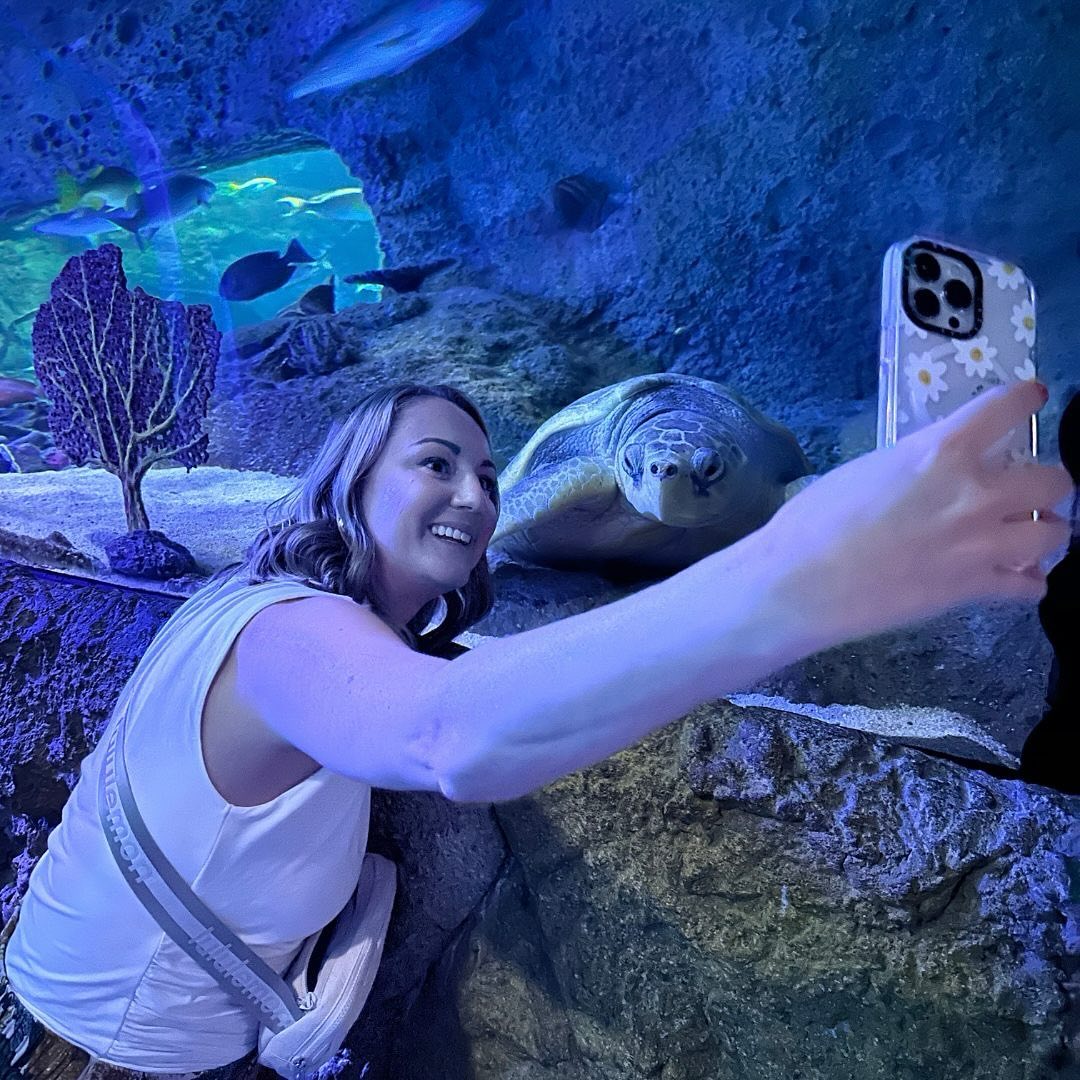
The perfect selfie can serve as a conversation starter about wildlife issues. When individuals take pictures with animals, especially in a responsible manner, they can influence their social circles. A captivating selfie encourages discussions surrounding species conservation and habitat protection. It is essential for people to realize that their actions, such as being mindful about wildlife encounters, have larger implications for conservation.
Capturing a memorable selfie with animals can be challenging. There are ethical considerations involved when it comes to wildlife photography. The ideal approach is to respect the animals’ space and never interfere with their natural behavior. By using a zoom lens, for example, one can capture stunning images while maintaining a safe distance. This practice reflects a commitment to animal welfare and showcases a responsible attitude toward wildlife conservation.
Orlando is home to various conservation-focused organizations that work tirelessly to protect its wildlife. The Disney Conservation Fund, for instance, supports numerous projects that address pressing issues related to wildlife and ecosystems. This organization plays a pivotal role in funding research and supporting grassroots initiatives aimed at preserving biodiversity. Visitors can learn about these efforts during their trips, further reinforcing the importance of conservation.
The Central Florida Zoo also provides insight into conservation through its educational programs. Schools often partner with the zoo to foster knowledge about local wildlife and environmental issues. These partnerships empower younger generations to take an active role in conservation efforts. Children gain practical knowledge about the animals they see, fostering a sense of connection and responsibility towards wildlife.
In addition, the zoo offers opportunities for behind-the-scenes tours where individuals can engage with animal care specialists. This firsthand experience encourages an appreciation for the detailed work that goes into animal management. Knowing the challenges that wildlife face in the wild can inspire visitors to advocate for conservation efforts and make more informed decisions about their environmental impact.
Biodiversity in Orlando is extensive, with each habitat supporting unique species. Conservation initiatives often focus on the preservation of both flora and fauna. Plants play a crucial role in ecosystem health. For instance, native plants are essential for supporting local insect populations, which, in turn, nourish larger animals. Understanding these intricate relationships aids in conservation planning.
Another remarkable aspect of Orlando’s wildlife is the presence of invasive species, which threaten native populations. Efforts to combat these invasions include public awareness campaigns about responsible pet ownership. Many people may not realize that releasing pets into the wild can lead to ecological imbalances. These initiatives educate citizens on the importance of maintaining local ecosystems.
Residents can also advocate for sustainable practices that contribute to wildlife conservation. Simple actions, such as reducing plastic use and supporting local conservation measures, can significantly impact their environment. As individuals share their conservation journeys online through engaging selfies or informative posts, awareness about local wildlife issues can spread, motivating more people to take action.
Understanding animal behavior is another key aspect of wildlife encounters. Observing animals in their natural state may require patience and a degree of silence. Disturbances can adversely affect animal behavior, making it essential to approach interactions with care. For example, when photographing birds in the Orlando Wetlands, it’s critical to remain still and quiet to avoid alarming them.
Social media platforms can amplify conservation messaging through engaging visuals and stories. The perfect selfie acts as an entry point to foster discussions about local wildlife issues. Each shared image can inspire others to learn more and reflect on the importance of maintaining ecological balances in their communities.
Volunteer opportunities abound in the Orlando area, allowing individuals to actively participate in conservation work. Organizations frequently seek out helpers for habitat restorations or educational events. Engaging actively fosters a hands-on understanding of the challenges wildlife face and the critical need for conservation.
By participating in these endeavors, residents contribute tangibly to the preservation of their local ecosystems while building a community passionate about wildlife. Direct action forms a deeper connection to the landscape, reinforcing the significance of upholding biodiversity.
In summary, wildlife conservation embodies a multifaceted approach in Orlando that enables individuals to engage with local ecosystems actively. The thrill of the perfect selfie, paired with an understanding of the underlying conservation messages, creates a synergy that promotes awareness and stewardship. By appreciating the intricate balance of local wildlife and participating in conservation actions, individuals can play an essential role in safeguarding the richness of Orlando’s natural environment. Their efforts can lead to meaningful outcomes not only for wildlife but for the entire community.
*****
Source Description
The perfect selfie doesn’t exi- 😯
📍 Orlando
