
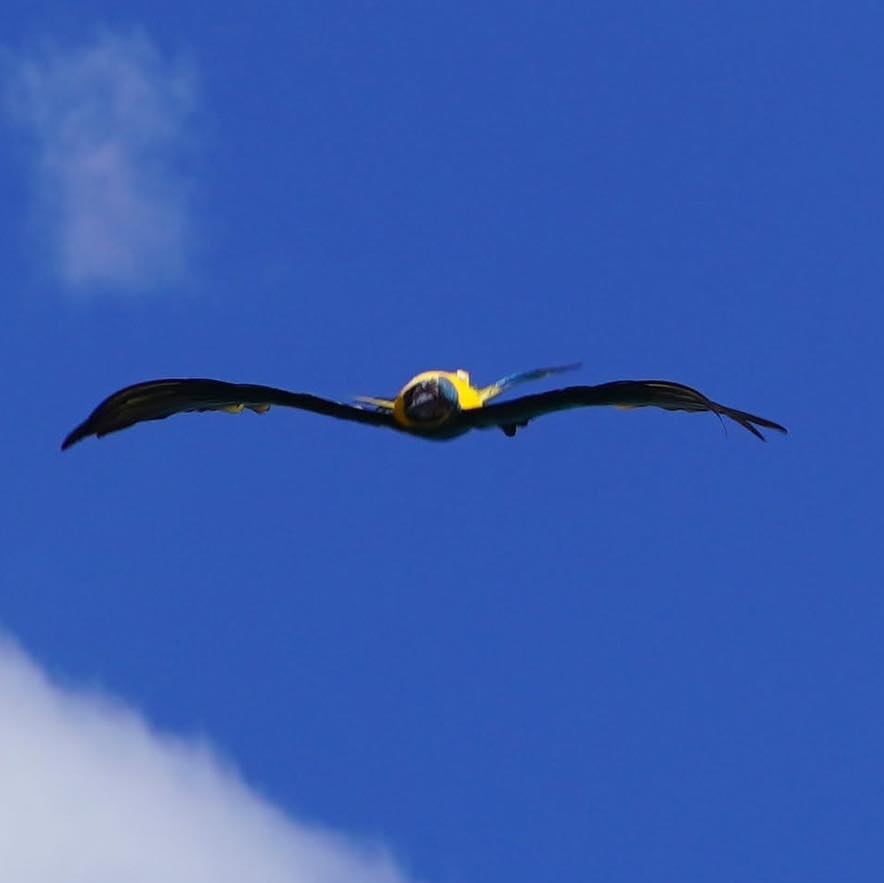
- The definition and explanation of whiffling
- The biological significance of whiffling in animal behavior
- The role of whiffling in wildlife conservation and management
- How whiffling differs from similar aerial behaviors
- The implications of understanding whiffling for future studies in zoology
Whiffling may sound like a whimsical term, yet it describes a fascinating and essential aerodynamic maneuver observed in various bird species. Contrary to the incorrect label “half barrel play flying,” whiffling captures the intricate flight mechanics birds employ, particularly when evading predators or navigating through complicated environments. This behavior demonstrates an advanced understanding of aerodynamics that underscores the evolutionary adaptations birds have developed for survival.
The term whiffling refers to a specific flight action where birds momentarily shift their wings, allowing them to change direction swiftly or lose altitude. This maneuver is particularly noticeable in species such as raptors and swallows, known for their acrobatics and agile flight. As they dart and weave, these birds utilize whiffling to make sharp turns or descend rapidly while maintaining control over their flight path.
Interestingly, the mechanics of whiffling involve an intricate balance of lift and drag. Birds reposition their wings at unique angles to alter air pressure around them, effectively allowing for quick maneuvers. This sophisticated use of aerodynamics is not just an art of flight but a crucial survival tactic. By performing such moves, birds can evade predators more easily while also pursuing prey.
Understanding whiffling extends beyond mere observation. From a biological standpoint, this behavior captures attention because it serves as an impressive indicator of a bird’s health and fitness. Birds capable of performing complex aerial maneuvers generally possess strong musculature and an efficient respiratory system. These attributes suggest that individuals demonstrating whiffling tactics are often better adapted for survival in their respective ecosystems.
From a wildlife conservation perspective, recognizing behaviors like whiffling can significantly impact how we manage natural habitats. Conservationists can use this knowledge to educate the public, emphasizing the importance of preserving environments where these birds can thrive. For example, if certain habitats lack the necessary resources for birds to engage in whiffling—like adequate prey or open spaces for flight—their survival could be compromised.
In contrast to similar aerial techniques, such as gliding or soaring, whiffling stands out because of its dynamic nature. While gliders depend mostly on thermal currents, whiffling involves rapid, controlled maneuvers. This differentiating factor highlights the agility required for whiffling, showcasing an extraordinary level of flight capability.
Studying whiffling can also have broader implications for ecologists and ornithologists. Understanding how and why birds perform this maneuver can contribute to comprehensive studies on flight dynamics, and ecological adaptability, and influence conservation efforts. For instance, researchers who observe whiffling can gather valuable data on prey availability and habitat quality. Within ecological studies, this behavior can also indicate potential changes in an ecosystem, revealing how various species adapt to challenges in their environment.
Birdwatchers and researchers alike are encouraged to observe these behaviors in action. Watching how birds utilize whiffling can grant insight into their lifestyles and the pressures they face. This knowledge is critical for environmental stewardship, particularly as human impacts on wildlife habitats continue to grow.
Moreover, educating the public about phenomena like whiffling fosters a connection to nature. As more people become aware of such intricacies in bird behavior, they may be more inclined to support conservation efforts, promoting habitats that allow for thriving wildlife populations. Engaging communities through educational programs and outreach initiatives can create advocates for local ecosystems.
In summary, understanding whiffling is vital for appreciating the complexities of avian flight. This natural behavior combines physiology, ecology, and conservation, enriching our knowledge of how birds navigate their environments. By promoting awareness of whiffling and other unique behaviors, we can encourage responsible wildlife management and foster deeper connections with nature. The more we learn about these intricate behaviors, the better equipped we become to protect them for future generations.
*****
Source Description
Did you know this aerodynamic move is not called “half barrel play flying”!?!? Neither did we until last year. We learned this natural flight behavior is called whiffling!
