
- The importance of dolphin experiences in wildlife education and conservation.
- Insights into dolphin behavior and intelligence.
- The role of facilities like Dolphin Discovery in promoting conservation.
- The impact of marine tourism on ecosystems and animal welfare.
- Ways to engage with dolphin conservation initiatives after visiting.
Exploring dolphin experiences can be transformative for visitors, deepening their understanding of marine life and encouraging personal engagement in wildlife conservation. Dolphins, renowned for their intelligence and sociable nature, often captivate audiences. Facilities such as Dolphin Discovery provide unique opportunities for people to observe and interact with these animals in a controlled setting. This interaction can foster greater awareness of the challenges dolphins face in the wild and promote conservation efforts.
Dolphins exhibit remarkable cognitive abilities, making them a subject of interest in zoology. Their complex social structures require significant mental processing skills. Research shows dolphins can solve problems and communicate through a variety of vocalizations. They use whistles, clicks, and body language to convey messages to one another. This communication extends beyond vocal skills, as dolphins are known to demonstrate empathy, cooperation, and even altruism. Understanding dolphin behavior allows us to appreciate their sophisticated social systems.
Marine facilities like Dolphin Discovery play vital roles in educating visitors about species conservation. These experiences often include guided tours and presentations that convey the importance of preserving marine habitats. Interaction with dolphins not only captivates guests but also serves as a platform to teach about the threats these animals face. This includes habitat loss, pollution, and climate change, all of which have deep impacts on dolphin populations globally. By raising awareness in engaging and interactive ways, facilities contribute significantly to conservation education.
However, engaging with marine tourism raises questions about animal welfare and impact on ecosystems. Facilities must adhere to principles of ethical management, prioritizing the well-being of the animals. Critics of marine tourism often cite concerns about how captive environments may alter natural behaviors and stress dolphins. It is essential for facilities to maintain naturalistic habitats and provide ample enrichment to ensure optimal welfare. Sustainable practices benefit both dolphins and ecosystems, as they promote responsible tourism while upholding ethical treatment.
After visiting facilities like Dolphin Discovery, individuals can connect more profoundly with marine conservation. Taking active steps to support ocean health enhances the visitor experience. This could involve participating in local beach clean-ups, supporting marine conservation organizations, or advocating for policies aimed at protecting marine environments. Engaging with education initiatives, especially for younger audiences, can inspire the next generation to appreciate and protect marine life.
Experiences at Dolphin Discovery can be educational, creating lasting impressions that encourage responsible stewardship of ocean ecosystems. Understanding dolphin behavior, fostering awareness of conservation needs, and advocating for sustainable practices are all outcomes of such visits. The pivotal role these facilities play in shaping public perceptions and attitudes is invaluable. By promoting ethical interactions with marine life, we can collectively work towards a healthier ocean and a sustainable future for marine species.
Dolphin Discovery exemplifies how human interaction can be aligned with conservation. Their efforts serve as a model for effective wildlife education that respects animal welfare. Visitors leave with not only cherished memories but also a deeper sense of responsibility towards marine conservation. This direct engagement reinforces the notion that everyone can play a part in protecting our oceans, making it critical to support this model of conservation education.
Maintaining a balance between enjoyment and conservation is essential for the future of marine animals. Facilities must continually evolve, prioritizing the welfare of the animals while educating the public. As such institutions grow in popularity, their influence can create lasting positive effects on marine conservation efforts.
Through educational experiences, visitors gain crucial insights. Interactions at facilities like Dolphin Discovery help bridge the gap between admiration for marine life and action-oriented conservation efforts. It emphasizes that tourism can be an avenue for understanding and preserving natural habitats. Knowledge gained during visits serves a dual purpose: enriching visitors’ lives and promoting proactive steps toward marine conservation.
In line with conservation practices, Dolphin Discovery can build partnerships with other organizations focused on marine science. Collaborative efforts enhance research on dolphins and their habitats while promoting public awareness initiatives. Such interactions establish a stronger framework for conservation efficacy. Sharing knowledge and resources enhances the potential for impactful change in marine ecosystems.
Assisting in the promotion of ethical standards in marine tourism can also help to inform policy. Advocacy work is crucial in ensuring marine environments are protected from pollution and other destructive forces. Educating the public about how to support and engage in such efforts can strengthen conservation networks around dolphins and their ecosystems.
Engagement doesn’t end with leaving the facility. Visitors can share their experiences on social media, inspiring others to learn more about dolphins and marine conservation. By sparking conversations, new audiences become aware of the challenges dolphins face. This outreach contributes towards creating a community interested in safeguarding the natural world.
Established practices such as advocating for plastic reduction, supporting sustainable seafood choices, and promoting habitat conservation directly impact marine animal welfare. Individuals who contribute to these initiatives play a crucial role in the health of oceanic ecosystems. The importance of personal responsibility cannot be overstated.
Dolphin Discovery allows people to witness dolphin behavior at close range. Observations during visits can provide insights into dolphin communication, socialization, and foraging habits. By understanding the normal behavior of dolphins in a controlled environment, visitors can draw comparisons to wild populations. This awareness contributes to a larger narrative of species conservation.
As facilities emphasize education, visitors engage more meaningfully with every aspect of their experience. Enriching programs can include behind-the-scenes tours, interactive questions and answers, and hands-on learning about marine biology. All of these elements support the aim of educating visitors about marine ecosystems and the importance of conservation.
Animal management practices are also vital for maintaining dolphin health in these settings. Routine veterinary care, behavioral assessments, and nutrition management all contribute to their overall well-being. Prioritizing health reflects a commitment to ethical practices in marine tourism, simultaneously enriching visitor experiences.
As global challenges continue to increase, the conversation around marine conservation must also grow. Dolphins and other marine animals face numerous threats; organizations need to be at the forefront of raising awareness. Facilities like Dolphin Discovery serve as beacons for education, providing pivotal information aimed at sparking concern and action amongst visitors.
In efforts to create lasting change, supporting long-term projects focused on habitat conservation is key. Engaging with these initiatives not only contributes to better outcomes for dolphins but also encourages enriched community involvement in marine stewardship. Visitors to facilities can become ambassadors for such causes, helping to spread knowledge and awareness.
Support for dolphin conservation can manifest in various forms, from donations to participation in awareness programs. Every small action contributes to broader conservation efforts and illustrates the collective potential of caring individuals. As visitors reflect on their experiences, they can inspire others to take their own steps toward environmental responsibility.
The visit to facilities like Dolphin Discovery goes beyond mere observation; it fosters a connection to marine life that can inspire advocacy and change. Understanding the holistic interplay between education, welfare, and conservation is critical. These experiences can motivate individuals to further engage with marine conservation initiatives, resulting in a broader movement toward preservation.
Throughout the experience at Dolphin Discovery, every interaction serves to build a stronger relationship with marine life. Understanding dolphin behavior, appreciating their intelligence, and advocating on their behalf is essential for the future of marine species. Driving awareness and action in anyone who engages with marine tourism creates ripple effects in conservation endeavors.
The visit encapsulates the essence of marine tourism—combining enthralling experiences with dedicated commitment to animal welfare and conservation. For those fortunate enough to experience it, Dolphin Discovery stands not only as a wildlife facility but as a champion for marine conservation efforts.
*****
Source Description
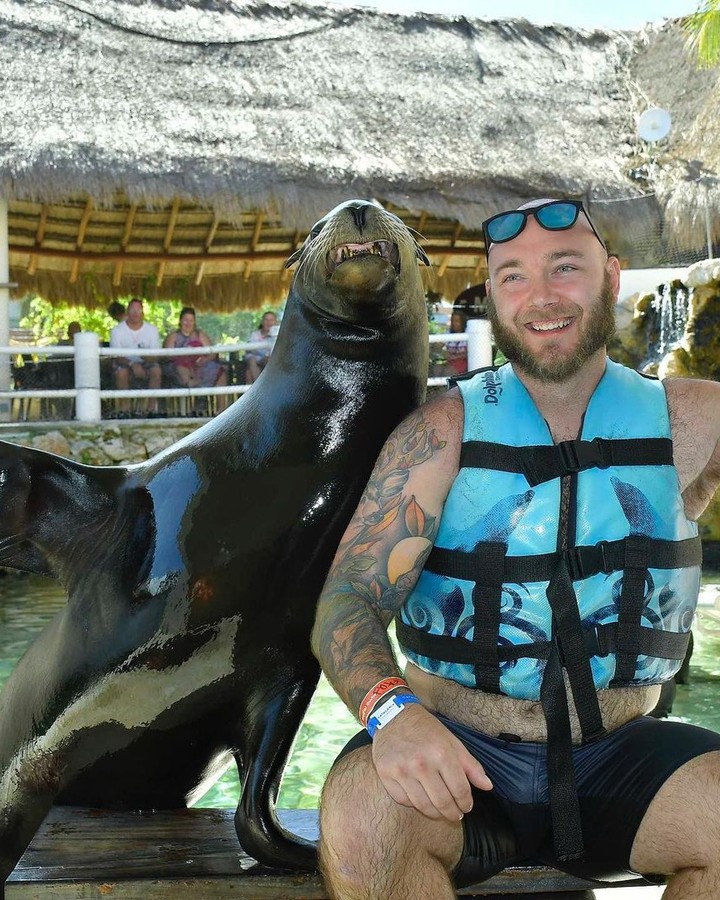
Mi galeria después de ir a Dolphin Discovery 🤩💙✨
My gallery after visiting Dolphin Discovery 🤩💙✨
