
- Introduction to Owlbert: Eastern Screech-Owl as an Animal Ambassador
- Characteristics and Behavior of the Eastern Screech-Owl
- Importance of Animal Ambassadors in Wildlife Conservation
- Role of Education and Public Engagement in Conservation Efforts
- Conservation Challenges Facing the Eastern Screech-Owl
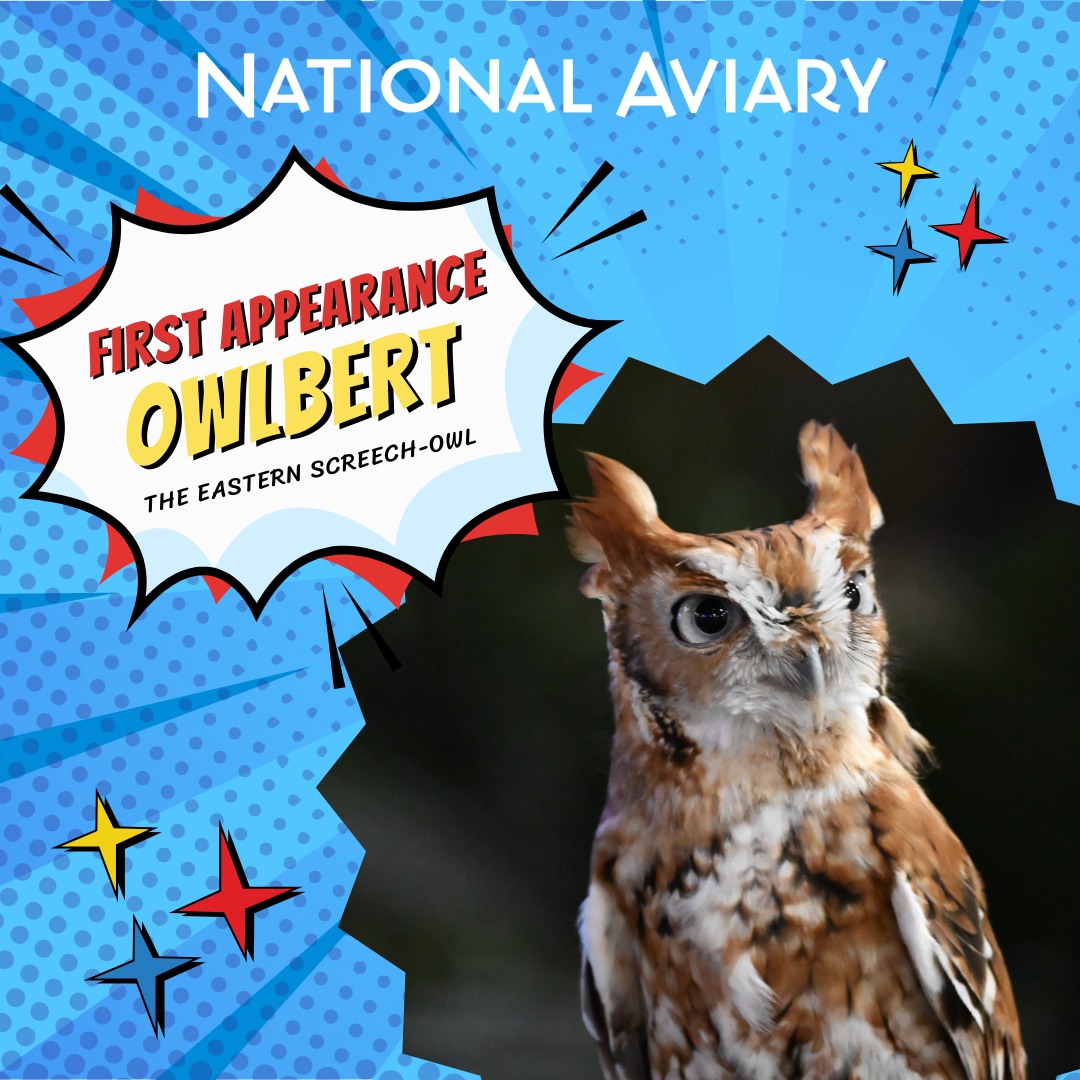
Owlbert, our newest Eastern Screech-Owl, recently made his first official appearance as an Animal Ambassador. This event allowed attendees to meet this remarkable bird up close. Owlbert showed a calm demeanor that many would associate with superheroes. His presence highlights the intriguing balance between wildlife and human understanding.
Eastern Screech-Owls are small, nocturnal birds that can both charm and educate the public. They are known for their distinct vocalizations and remarkable camouflage, which aids their survival in the wild. During the event, Owlbert demonstrated these traits effectively, illustrating why he is an excellent ambassador for his species.
The Eastern Screech-Owl typically measures about 6.3 to 9.8 inches in length. They exhibit plumage in various shades, primarily gray or reddish-brown. Their ability to blend into natural surroundings is a critical survival mechanism. This blend of physical attributes makes it easy for them to avoid predators and capture prey.
A significant aspect of Owlbert’s role is to educate the public about his species. Owls are often misunderstood. Some people think they bring bad luck or are associated with death. However, they are essential to our ecosystem. As nocturnal hunters, they control pest populations, particularly rodents. This natural control assists farmers and landowners, making owls valuable neighbors.
Owlbert’s meet-and-greet provided a unique opportunity to challenge these misconceptions. During public interactions, members of the community learned that owl pellets contain bones and fur from prey. Identifying these remains provides an insight into the diet of the Eastern Screech-Owl. Educating the public on these points fosters respect for owls and highlights their ecological roles.
The event spotlighted the critical function of Animal Ambassadors in wildlife conservation. Animal Ambassadors serve as relatable representatives of their species, forging connections between the public and the natural world. When participants engage with animals like Owlbert, they build emotional relationships that can lead to more extensive conservation efforts.
Animal Ambassadors like Owlbert have a substantial impact on wildlife conservation because they provide tangible experiences. Interacting with such animals increases awareness of their ecological roles. One-on-one engagement sparks interest in further research and action to protect wildlife habitats.
Statistics illustrate the significance of these conservation efforts. According to the National Audubon Society, the Eastern Screech-Owl population has experienced fluctuations, primarily due to habitat loss. Urbanization plays a notable role. Old trees that serve as nesting sites are increasingly replaced by buildings and roads.
Education and public engagement are vital in tackling these issues. When communities understand the challenges facing species like the Eastern Screech-Owl, they are more likely to support conservation initiatives. Owlbert can inspire these efforts by bridging the gap between wildlife and the public, fostering a sense of stewardship.
The role of education extends beyond the immediate surroundings of an event. Owlbert’s appearances are designed not just for entertainment. They serve as learning tools. Schools often schedule visits to promote wildlife education. Programs may include hands-on activities, such as owl pellet dissection, to enhance understanding and retention of information.
Public engagement is also critical in conservation policy. When individuals are informed about the needs of species like the Eastern Screech-Owl, they can push for meaningful legislative actions. Community input can shape wildlife management strategies and habitat restoration efforts.
Despite the positive strides in promoting awareness, Eastern Screech-Owls continue to face several challenges. Among the most pressing concerns is habitat loss. Urban development often encroaches on the areas where these owls thrive. Forests and open spaces are replaced with infrastructure, making it difficult for them to find suitable nesting sites.
Pollution is another significant threat to the Eastern Screech-Owl. Chemicals and toxins in their environment can affect their health and reproductive success. Pesticides, used extensively in agriculture, can significantly reduce their food supply. As rodents consume pesticide-treated crops, they become harmful to the owls that prey on them.
Climate change is also impacting the habitats of the Eastern Screech-Owl. Fluctuations in temperature and precipitation can alter their food sources. Birds like Owlbert may struggle to find enough to eat if prey populations decline due to environmental stress.
Efforts to combat these challenges focus on habitat restoration and community involvement. By planting native trees and preserving natural spaces, communities can provide suitable nesting sites for Eastern Screech-Owls. Educational campaigns often encourage individuals to report sightings. This data assists in monitoring populations and understanding their distribution.
The dedication to wildlife conservation extends to local organizations and individual volunteers. Many communities host clean-up events and educational workshops to promote awareness. Volunteers often engage in hands-on activities, such as building owl boxes, which provide safe nesting opportunities in urban settings.
Public engagement with animals like Owlbert enhances the effectiveness of these initiatives. When communities interact with owls, they are more inclined to participate in conservation efforts. Personal connection to wildlife fosters a sense of responsibility, leading to actionable change.
Through Owlbert’s presence, individuals begin to understand the intricate layers of wildlife conservation. The more they learn, the more they can advocate for policies that protect habitats and maintain healthy ecosystems. Owlbert embodies this philosophy by serving as a catalyst for education and advocacy.
As Owlbert continues to make appearances, the importance of learning about the Eastern Screech-Owl remains paramount. Facts about their diet, habitat needs, and ecological contributions are crucial for building awareness. The ongoing efforts of organizations and individuals can pave the way for a brighter future for these remarkable birds.
Owlbert’s journey as an Animal Ambassador is just beginning. His interactions with the public not only educate but also inspire. They help build a community that values wildlife and understands its significance. By promoting awareness of conservation challenges, Owlbert encourages collective action.
From habitats to health challenges, understanding the plight of species like the Eastern Screech-Owl can lead to meaningful change. Owlbert represents a bridge for this understanding. Each public appearance serves to further the mission of wildlife conservation and the importance of respecting our ecological neighbors.
Through love for animals, education, and sustained efforts in advocacy, communities can foster a culture that champions wildlife. Owlbert stands as a symbol of hope, embodying the spirit of conservation. The dedication to preserving the natural world, alongside animal ambassadors, enriches lives and supports biodiversity.
*****
Source Description
It’s a bird (technically, yes), it’s a plane✈️…it’s OWLBERT! 💥
Our newest Eastern Screech-Owl, Owlbert, made his first official Animal Ambassador appearance! During this meet-and-greet, Owlbert was cool, calm, and collected…as most superheroes are 😎
