
- The significance of red wolf conservation
- Understanding the biology and behavior of Poco, the red wolf
- The role of zoos in wildlife conservation
- Current threats facing red wolves
- Community involvement and education in conservation efforts
The significance of red wolf conservation
The red wolf (Canis rufus) is a critically endangered species, once roaming the southeastern United States. Its decline is indicative of larger environmental changes and challenges. Red wolves play a pivotal role in the ecosystem as apex predators. Their presence regulates prey populations and maintains the health of habitats. Conservation efforts for the red wolf are vital not just for the species itself, but for the biodiversity of the entire region.
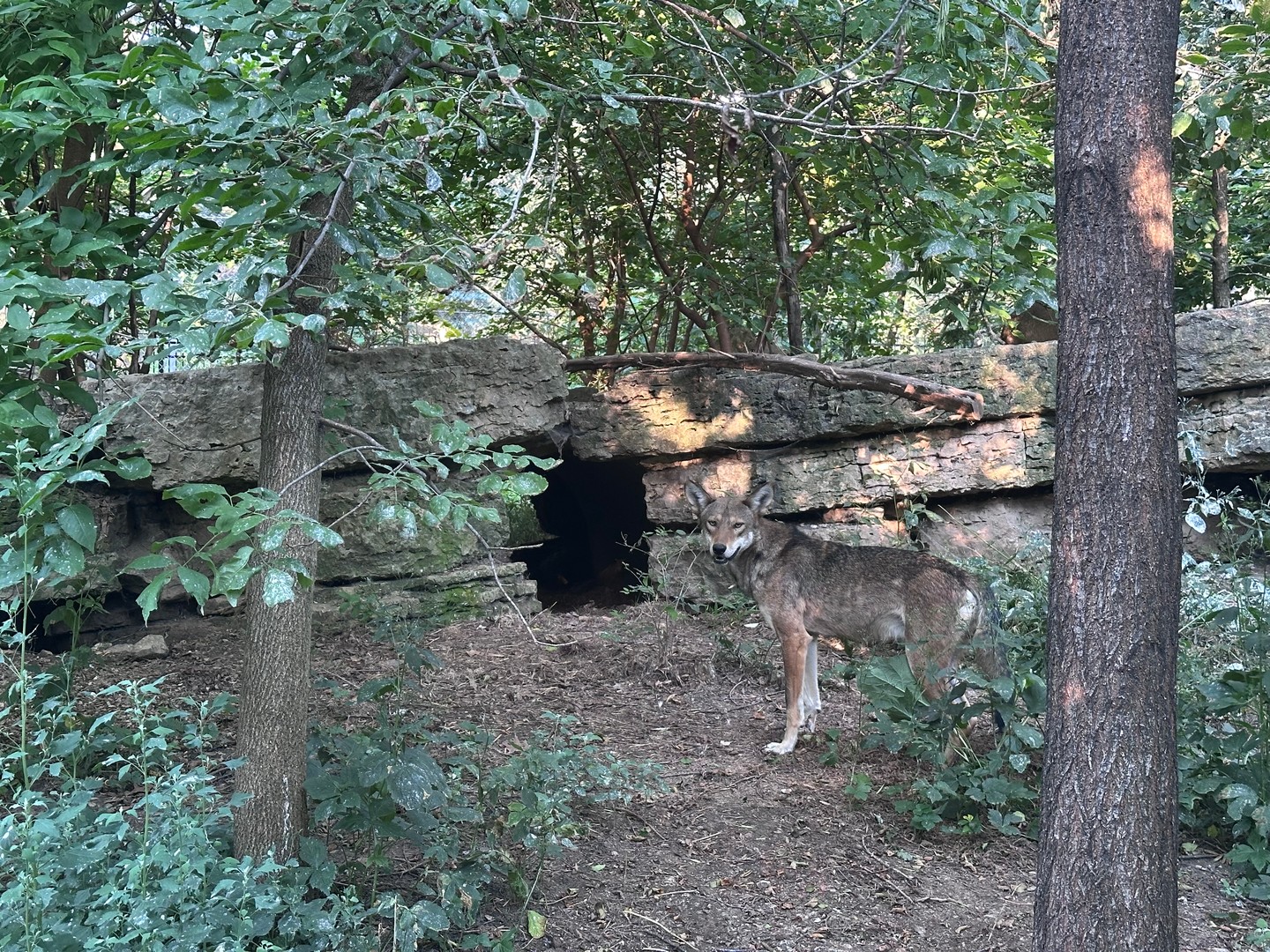
Poco, a resident red wolf, represents a broader initiative aimed at restoring red wolves to their native habitats. Understanding the plight of red wolves is essential in recognizing why conservation efforts are necessary. Effective conservation strategies must address habitat loss, human-wildlife conflicts, and interbreeding with coyotes, which dilutes the genetic integrity of red wolves.
Understanding the biology and behavior of Poco, the red wolf
Poco, like all red wolves, exhibits behaviors and traits that are crucial to his species’ survival. Adult red wolves typically weigh around 50–80 pounds and have a distinctive reddish-brown coat that camouflages them in their natural surroundings. They have long legs, large ears, and a slender build that enhances their agility.
Poco’s behavioral ecology includes an intricate social structure. Red wolves are known to form pack systems, which are essential for hunting and nurturing pups. They engage in cooperative hunting strategies that allow them to take down larger prey, including deer and small mammals. Understanding Poco’s behavior is paramount for effective conservation, as it informs how red wolves interact with their environment and each other.
Moreover, hearing and vocalization play critical roles in the communication strategies of red wolves. They utilize howls for long-distance communication, which helps maintain territorial boundaries and coordinate pack movements. Capturing these behavioral nuances enhances the knowledge base for individuals concerned with red wolf conservation.
The role of zoos in wildlife conservation
Zoos serve as vital custodians of biodiversity and play crucial roles in the conservation of endangered species like the red wolf. A significant aspect of their mission involves breeding programs aimed at increasing red wolf populations. Institutions that house red wolves, like Poco, enable genetic diversity among captive populations, thus improving chances for reintroduction into the wild.
Educational initiatives at zoos also foster public awareness regarding the plight of red wolves. Through guided tours, informational panels, and hands-on learning experiences, zoos engage visitors, enabling them to grasp the challenges that red wolves face in the wild. These educational efforts are paramount in cultivating a conservation mindset among visitors of all ages.
In addition to breeding programs and education, zoos often collaborate with wildlife conservation organizations. These partnerships can lead to increased funding and support for field research, anti-poaching initiatives, and habitat restoration projects that benefit the red wolf population. This multi-faceted approach reinforces the importance of zoos in both ex-situ and in-situ conservation strategies.
Current threats facing red wolves
Despite ongoing conservation efforts, red wolves face numerous threats that jeopardize their survival. Habitat loss poses a significant risk. As human development expands, red wolves lose critical breeding and hunting territories. Furthermore, urbanization often leads to increased vehicle collisions, further endangering this species.
Human-wildlife conflict also contributes to their decline. Farmers may view red wolves as a threat to livestock, leading to lethal measures. Education efforts targeting agricultural communities can help mitigate these conflicts by promoting coexistence strategies, such as non-lethal deterrents.
Interbreeding with coyotes represents another substantial concern. With the reduced population of red wolves, interbreeding has become more prevalent, leading to a genetic dilution that undermines efforts to restore the species. Conservation programs must address this issue through targeted efforts to increase the red wolf population while establishing protected areas free from coyote populations.
Community involvement and education in conservation efforts
Community engagement stands as a cornerstone in the conservation of red wolves. Local communities can play a pivotal role in fostering coexistence through workshops, educational programs, and volunteering opportunities. Informing individuals about the ecological importance of red wolves can inspire local efforts toward habitat preservation and advocacy for conservation policies.
Moreover, citizen science projects allow community members to actively participate in red wolf monitoring and data collection. These initiatives provide valuable real-time data that contribute to scientific understanding and foster a sense of ownership over local wildlife conservation. Active participation can strengthen the community’s connection to red wolves and other native species, fostering a culture of environmental stewardship.
Public outreach campaigns can also galvanize support for red wolf conservation. Leveraging social media platforms, informational drives, and community events can amplify messages about the importance of protecting red wolves. By focusing on their ecological significance, communities can become allies in the fight for red wolf survival.
Evaluating the success of conservation initiatives involves not just scientific metrics but also community awareness and involvement. Educational endeavors promoted by zoos and conservation organizations can sow the seeds for long-term engagement, which is crucial for the future of both Poco and his kin.
Incorporating technology into conservation strategies has proven useful, serving to track red wolves through GPS collaring for research on their movement patterns and habitat preferences. This data facilitates informed management decisions and enhances conservation outcomes.
The plight of Poco represents a microcosm of the challenges faced by red wolves overall. As individuals, organizations, and communities unite toward a common goal, the conservation landscape brightens. The stories we tell about red wolves and their struggles can motivate action. Education remains a powerful tool for fostering understanding and inspiring proactive efforts toward wildlife conservation.
With concerted efforts in habitat preservation, community education, and the active support of zoos, there is hope for red wolves like Poco to thrive in their natural habitats once again. The conversation regarding red wolf conservation must continue, ensuring that the genetic heritage of this species is preserved for future generations. It is imperative that education, outreach, and scientific research remain core components of our strategy. Through collaborative efforts, it is possible to address the multifaceted challenges facing red wolves, solidifying the role of Poco as a beacon of hope and a catalyst for change in wildlife conservation.
*****
Source Description
It’s NOT a phase…
🐺 Poco, red wolf
📸 Lauren C.
