
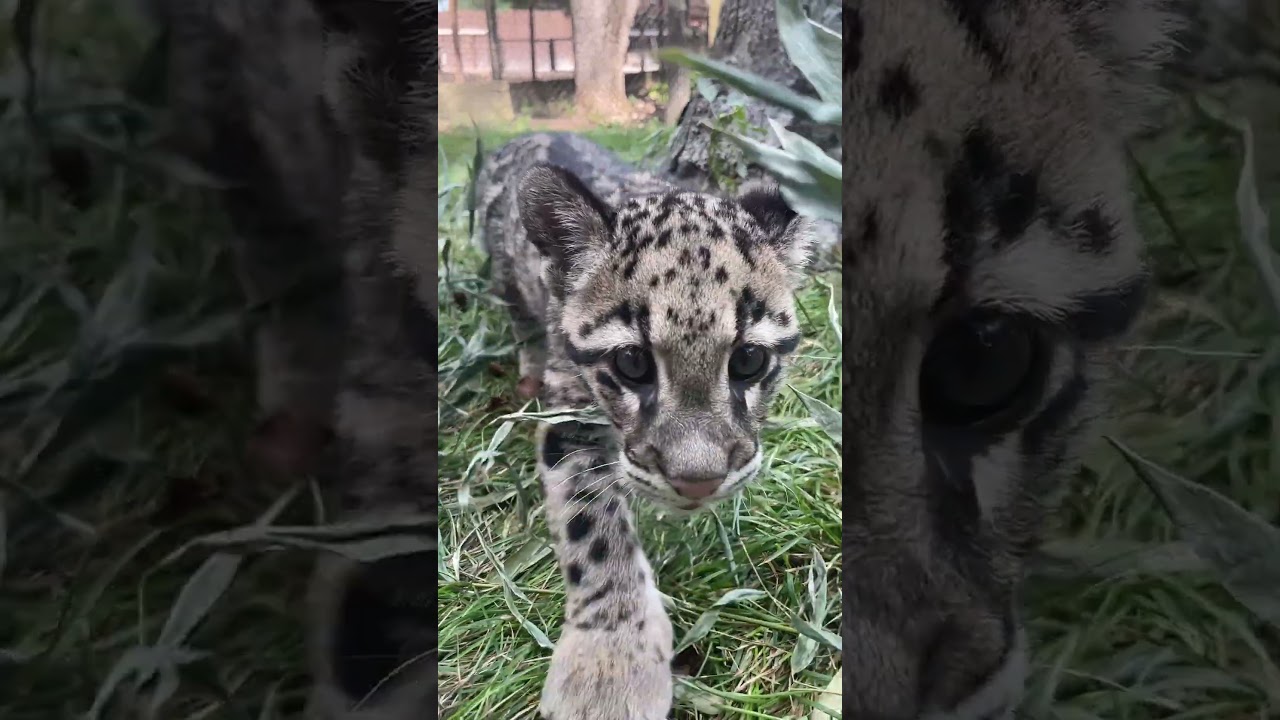
- The role of environmental enrichment in zoo welfare and conservation.
- Behavioral significance of play in primates and its influence on cognitive development.
- The impact of habitat simulation using natural elements such as bamboo.
- Zoo management strategies to foster natural behaviors in captive animals.
- Conservation messages and public education programs inspired by observing primate play.
Zoos around the world are evolving from mere displays of wildlife to centers of conservation and education, focusing on both the welfare of animals and the engagement of visitors. One of the exciting aspects of this evolution is the concept of environmental enrichment, which plays a crucial role in enhancing the well-being of animals in captivity.
The use of bamboo in the play activities of Joker and Quinn, two primates at a renowned zoo, provides a fascinating glimpse into how enrichment activities can be designed to simulate natural behaviors. These activities are essential in maintaining the physical and mental health of primates, contributing significantly to their quality of life.
- Environmental Enrichment and Zoo Welfare
Environmental enrichment refers to the techniques employed to enhance the environment of captive animals, promoting natural behaviors and reducing stress. For primates like Joker and Quinn, enrichment is not just an option; it is a necessity. It involves introducing objects, sounds, odors, and other stimuli that mimic their natural habitats. Bamboo serves as an ideal tool for such enrichment, given its natural presence in many primate ecosystems.
Zoo management focuses on selecting enrichment materials that encourage play, exploration, and social interaction. Bamboo, with its flexible structure and multiple uses, challenges the primates mentally and physically, encouraging activities such as climbing, foraging, and problem-solving. This not only keeps the primates engaged but also helps in strengthening their muscles and cognitive abilities. By simulating aspects of their natural habitats, zoos create a diverse environment that promotes mental stimulation and overall well-being.
- Behavioral Significance of Play in Primates
Play is a critical component of development for many animal species, with primates being no exception. It is a behavior deeply rooted in their nature that facilitates learning and adaptation. Observing Joker and Quinn interact with bamboo provides insight into their social structures and cognitive development.
Play benefits primates by enhancing their physical coordination, social skills, and problem-solving abilities. When Joker and Quinn engage with bamboo, they are not merely entertaining themselves; they are honing essential life skills. These activities aid in preparing them for challenges, fostering resilience, and encouraging a healthy social structure among group members.
Understanding these behavioral aspects can inform zoo professionals about the specific needs of each primate, tailoring enrichment programs that support their natural tendencies. This, in turn, can lead to more successful breeding and conservation efforts within captive populations.
- Habitat Simulation Using Natural Elements
Simulating natural habitats in zoos is pivotal for both animal welfare and the success of conservation messages. Bamboo plays a significant role in habitat simulation for primates, offering both physical and psychological benefits. In the wild, many primates utilize bamboo for shelter, food, and play, making its presence in zoo habitats essential for recreating these accessible needs.
Implementing bamboo in zoo enclosures allows animals like Joker and Quinn to engage in natural behaviors such as gnawing, climbing, and nest-building. These activities not only enrich their lives but also provide visitors with an authentic glimpse into the dynamics of wild primate behaviors. By observing these interactions, visitors can gain a deeper understanding of primate ecology and the importance of habitat preservation.
Such simulations also serve as valuable tools in education and outreach programs, informing the public about the challenges faced by wild primates and the importance of conserving their natural habitats.
- Zoo Management Strategies for Natural Behaviors
Zoo management is tasked with the crucial role of fostering environments that encourage natural behaviors in captive animals. The challenge lies in creating stimulating environments that cater to the diverse needs of different species. For Joker and Quinn, the strategic use of bamboo exemplifies how zoos can support the instinctual behaviors of primates.
Effective management involves regular evaluation and adaptation of enrichment programs to suit the changing needs of animals. Careful selection of materials, like bamboo, ensures that these programs are not only engaging but also safe and beneficial. Staff must be trained to observe and document behaviors, making informed decisions on how to enhance the living conditions of the animals.
Collaborative efforts between zookeepers, veterinarians, and researchers contribute to the development of enrichment strategies that align with the animals’ natural lifestyles. This holistic approach not only promotes the welfare of the animals but also facilitates meaningful conservation outcomes.
- Conservation Messages and Public Education
Observing Joker and Quinn’s playful interactions with bamboo offers more than just entertainment; it provides a platform for education and conservation awareness. Zoos serve as gateways for the public to learn about wildlife, fostering a connection between humans and nature. The behaviors exhibited by primates during play can be translated into educational messages that highlight the importance of conservation.
Interactive exhibits and informational sessions can be designed around these observations, engaging visitors in discussions about sustainability, habitat protection, and species conservation. By leveraging the interest and curiosity spurred by observing playful primates, zoos can inspire a broader audience to participate in conservation initiatives.
Furthermore, by showcasing the efforts taken to replicate natural behaviors in captivity, zoos can highlight the delicate balance between human activities and wildlife preservation. This serves as a powerful reminder of our responsibility in safeguarding the planet’s biodiversity.
Integrating these educational aspects into zoo visits not only enriches the visitor experience but also bolsters the zoo’s mission of advocating for wildlife conservation. The playful antics of Joker and Quinn with bamboo are a testament to the far-reaching impact of environmental enrichment in zoos, underscoring the vital role these institutions play in both local and global conservation efforts.
*****
Source Description
