
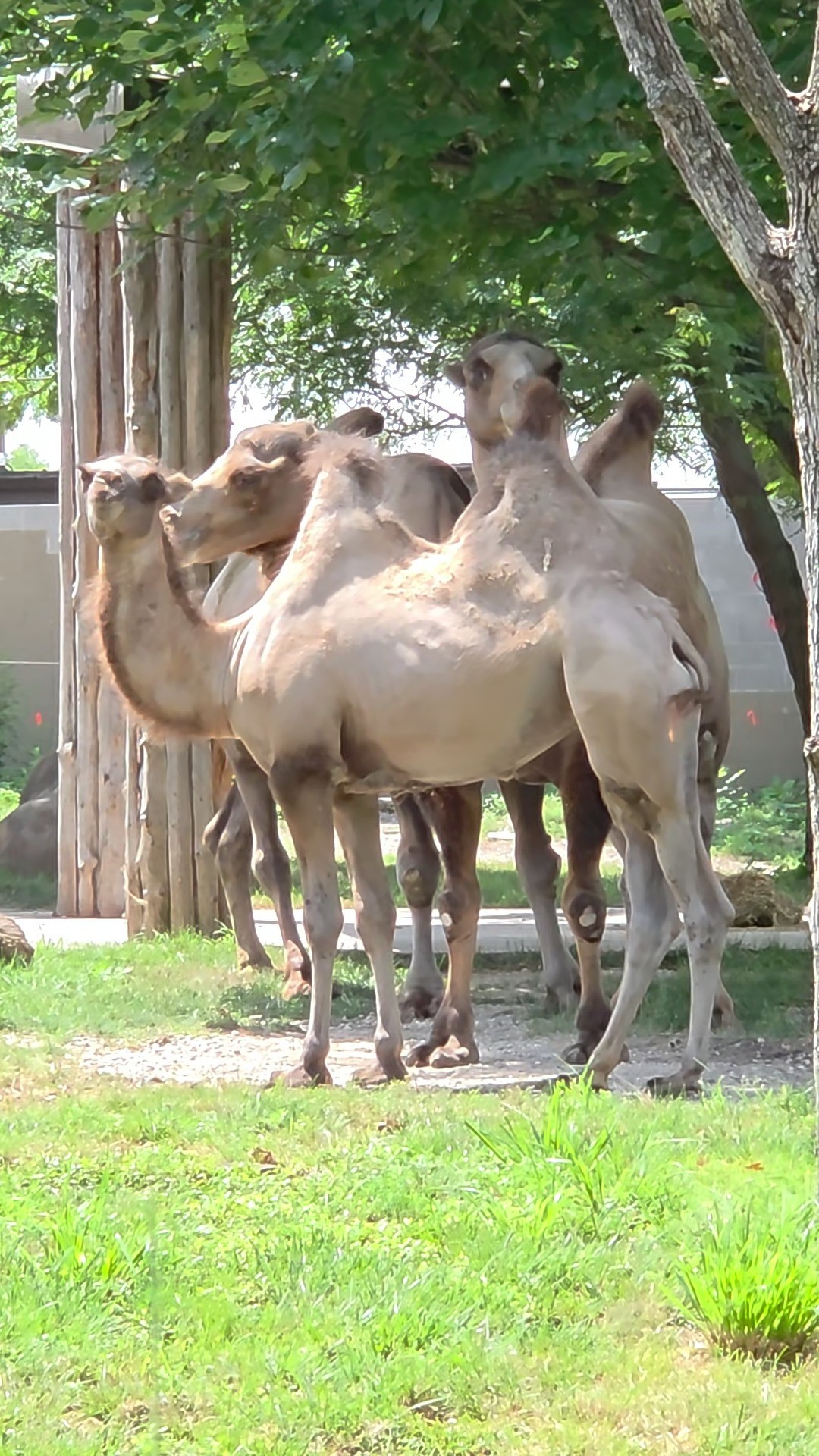
- Overview of Bactrian camels and their habitats
- Introduction of Jack and Jill and their arrival at the zoo
- Social interaction and enrichment practices among the camels
- The role of zoos in wildlife conservation and education
- The importance of species preservation and challenges faced by Bactrian camels
Bactrian camels, distinguishable by their two distinctive humps, are native to the Central Asian steppes, particularly in Mongolia and China. These hardy creatures thrive in harsh climates, showcasing adaptations that allow them to endure extreme temperatures, from scorching heat to bitter cold. They can survive for long periods without water, drawing moisture from the plants they consume. Their unique physiology and behaviors make them a focal point of interest in zoological studies and conservation efforts.
Recently, the introduction of two Bactrian camels, Jack and Jill, to our zoo has sparked excitement among both staff and visitors. Jack, at 11 years old, and 17-month-old Jill are now settling into their new environment, joining 13-year-old Cassiopeia, affectionately known as Cassie. The public can now view these magnificent animals in the Red Rocks area of the zoo, where they are gradually integrating into their new social group.
Understanding the dynamics of how Jack and Jill adapt to their surroundings sheds light on their social behaviors. Bactrian camels are known to be social animals, often forming strong bonds within groups. Their interactions are characterized by playful nudging and mutual grooming, which reinforces social hierarchies and relationships. Jack and Jill have already begun establishing their place within the trio, often seen sharing snacks and engaging in enrichment activities with Cassie. Observing these interactions provides valuable insights into their social structures and the importance of companionship in their daily lives.
Enrichment practices in zoos play a crucial role in promoting well-being among captive animals. These activities stimulate both physical and mental activity, encouraging natural behaviors. For Jack and Jill, enrichment may include puzzle feeders, which challenge them to work for their food, or environmental modifications that mimic their native habitat, such as sand pits and climbing structures. Such strategies not only enhance their living conditions but also contribute to their adaptation to a more confined space. By providing diverse experiences, staff can promote a healthier lifestyle for these animals and increase their overall quality of life.
Zoos have evolved from being mere places of entertainment to essential centers for wildlife conservation and education. The arrival of Jack and Jill exemplifies this transformation. By showcasing these Bactrian camels, the zoo can educate visitors about the species, its habitat, and the challenges it faces in the wild. Conservation programs aim to raise awareness, fund research projects, and support initiatives that protect Bactrian camels in their native environments. Their numbers have dwindled due to habitat loss, poaching, and climate change, making awareness and action critical for their survival.
Species preservation is essential not only for maintaining biodiversity but also for ensuring ecosystem health. Each species plays a specific role within its environment, contributing to a balanced ecosystem. With Bactrian camels, their grazing habits affect plant communities, and their movements can shape the landscape. Understanding their ecological role underscores the importance of conservation efforts. Additionally, preserving genetic diversity helps strengthen resilience against diseases and environmental changes, ensuring their survival for future generations.
To truly grasp the significance of Jack and Jill’s arrival, it is vital to consider the broader implications of their existence in a zoo environment. Their presence encourages a deeper understanding of the interconnectedness of life and the intricate balance that sustains our ecosystems. Engaging visitors through educational programs and exhibitions fosters a sense of responsibility toward protecting wildlife. Zoos can serve as inspiring examples of conservation in action, highlighting successful breeding programs, habitat restoration efforts, and community involvement in wildlife protection.
The story of Jack and Jill is more than just about camels in a zoo. It embodies the collective efforts to ensure that species like the Bactrian camel continue to thrive despite the numerous challenges they face today. As they settle into their new home, their presence serves as a reminder of the beauty and complexity of life on Earth. This example extends beyond the walls of the zoo, encouraging society to take actionable steps towards conservation in everyday life.
By supporting local and international conservation initiatives, individuals can directly contribute to the survival of species at risk. Small actions, like advocating for eco-friendly products or participating in local clean-up events, can create ripples of change. Every effort counts in the fight against biodiversity loss, and by adopting a proactive mindset, everyone can play a part in ensuring a future where animals like Jack and Jill continue to inhabit our planet.
Throughout their exhibition at the zoo, Jack and Jill will undoubtedly capture the hearts of visitors. Their playful interactions, striking features, and fascinating behaviors offer an incredible opportunity for education and engagement. The ongoing support for wildlife conservation efforts cannot be overstated, as these initiatives work tirelessly to protect not just Bactrian camels, but a multitude of species that share our planet.
As both Jack and Jill acclimate to their new environment, staff members will closely monitor their health and behaviors. The zoo’s veterinary team is equipped to provide the specialized care that such unique animals require. Regular check-ups will ensure that their dietary and habitat needs are met, All observations will assist in understanding how they adapt to life in captivity and how best to support their needs.
The importance of zoos extends beyond mere exhibitions. They serve as critical hubs for research, conservation breeding, and public awareness. The introduction of Jack and Jill is a step toward fostering a connection between humans and animals while emphasizing the importance of global conservation efforts. As the world faces increasing environmental challenges, it’s crucial to recognize the role that each individual can play in preserving biodiversity.
Jack and Jill are more than just new additions to a zoo; they are ambassadors for their species and representatives of a critical conservation message. Their presence emphasizes that through education and engagement, society can play an integral part in wildlife preservation. By championing conservation, we have the potential to create lasting change, fostering a sustainable future for Bactrian camels and countless other species around the globe.
Their story encapsulates the essence of zoo management today—a conversation starter for the importance of wildlife protection and a powerful reminder of the interdependence of life on Earth. The zoo will continue to provide a platform for these educational conversations, engaging visitors with programming that highlights the significance of animal welfare, habitat protection, and species conservation efforts.
In an age where wildlife faces unprecedented threats, the arrival of Jack and Jill illustrates a commitment to preserving the majesty of the natural world. We invite you to witness their journey and to share in the mission of conservation. The dynamics of zoo life, social interactions of Bactrian camels, and the importance of education in wildlife preservation will remain key focal points in our ongoing efforts to protect these remarkable animals for generations to come.
*****
Source Description
Jack and Jill are up the hill! 🐫
We’ve welcomed two Bactrian Camels to their new home! This week, 11-year-old Jack and 17-month-old Jill made their first public appearance here joining 13-year-old Cassiopeia (Cassie).
Jack and Jill can be spotted in the Red Rocks area of the Zoo. They’re settling in well and all three camels are sticking close together and sharing snacks and enrichment.
