
- Understanding the Feeding Process of Baby Flamingos
- The Role of Crop Milk and its Nutritional Benefits
- The Significance of Carotenoid Pigments
- Impact of Diet on Flamingo Coloration
- Conservation and Management Implications for Flamingo Populations
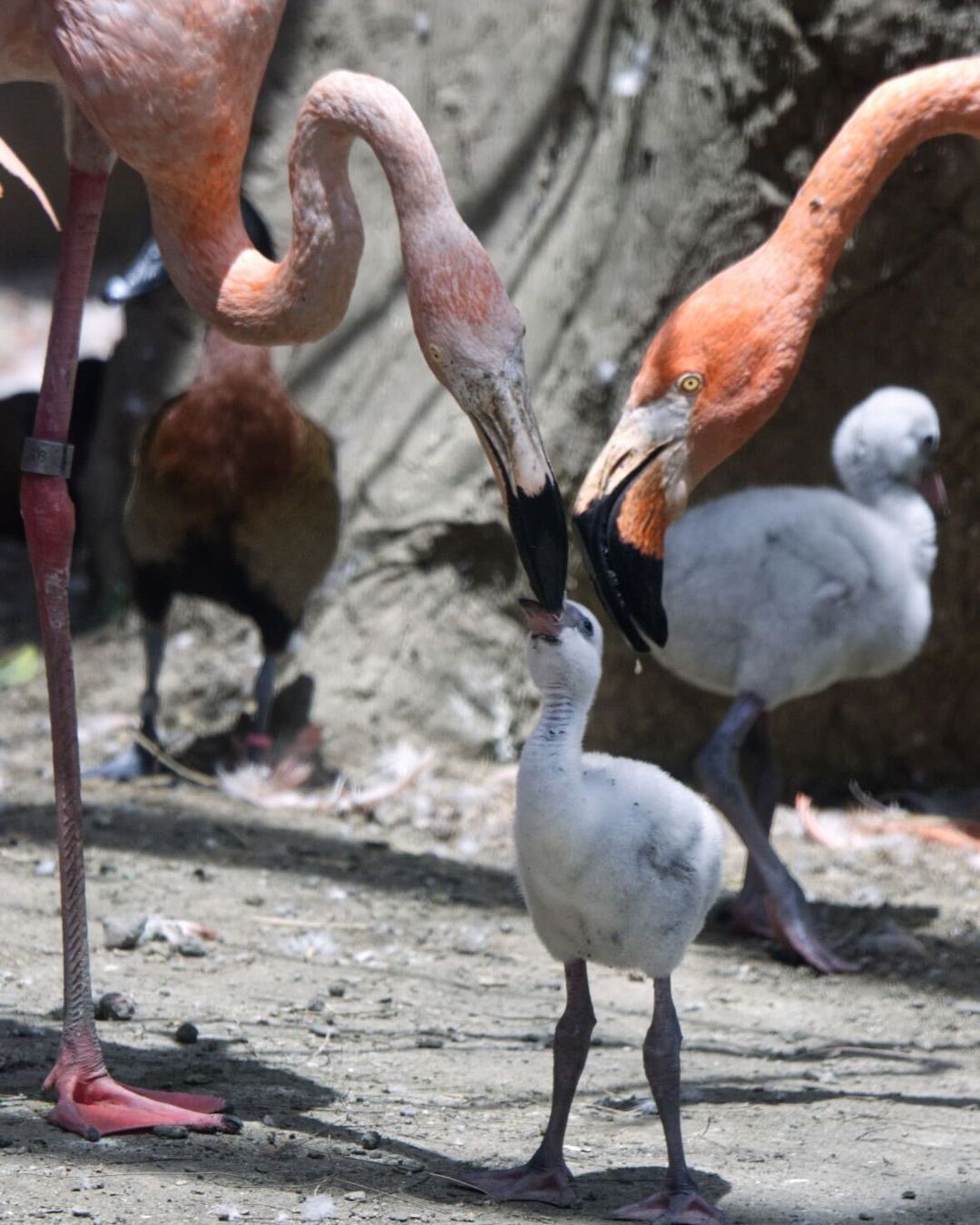
Flamingo chicks, while undeniably adorable, also represent an intricate aspect of avian biology and parental care. As these youngsters engage in their snack attack Saturday, it’s essential to explore how they transition from dependence to independence through their unique feeding process.
Baby flamingos are initially fed crop milk produced by both parents, emphasizing a crucial aspect of their early development. Crop milk, which may sound misleading as it is not milk in the conventional sense, is a nutrient-rich substance secreted from the walls of the crop. Unlike mammals, flamingos rely on this specialized feeding method before chicks can consume solid food. The parent birds produce crop milk as a result of their diet, which mainly consists of algae and microorganisms found in their aquatic habitats. This feeding method allows the chicks to receive essential nutrients during their early days of life.
The vivid color of crop milk is a result of carotenoid pigments, which are potent antioxidants derived from the food that flamingos consume. Carotenoids are naturally occurring pigments found in many plants, and they contribute to various colors in the animal kingdom, particularly shades of pink, orange, and red. The specific carotenoids flamingos ingest, such as beta-carotene, not only support the development of the chick but also fundamentally alter the color of both the crop milk and the fledglings themselves.
Once the chicks begin to consume solid food—a process influenced by their parents’ feeding methods and enabling them to start foraging on their own—they begin to exhibit the famous pink hue that flamingos are known for. Before this transformation takes place, the parents experience a noticeable change by gradually losing their pink coloration. This transition is a direct reflection of the carotenoid content in their food, which gets redirected to nourish their chicks instead, showcasing the intimate connection between diet and coloration.
Moreover, this process underscores the significant role nutrition plays in not just the growth of the young birds but also in the conservation of flamingo populations. Flamingos rely heavily on specific ecological conditions, including the availability of the right types of food. Any fluctuations in their environment, such as changes in water quality or prey availability caused by climate change or pollution, could detrimentally affect their ability to nourish their young. Keeping the delicate balance of ecosystems intact is crucial for sustaining healthy populations of these stunning birds.
In wildlife management and conservation efforts, understanding the feeding mechanisms and dietary requirements of flamingos is vital. For example, breeding programs in captivity can benefit from insights into this feeding behavior and nutrition to successfully rear flamingo chicks, ensuring they receive crop milk or its equivalent throughout infancy. This type of knowledge is indispensable for wildlife managers aiming to maintain the health of flamingo populations both in zoos and in their natural habitats.
In summary, the adorable antics of baby flamingos during snack attack Saturday serve as a delightful reminder of the complexities of avian growth and development. With both parents actively participating in feeding through crop milk, these chicks receive a strong nutritional foundation critical for their future. The nutrition they receive, enriched by carotenoid pigments from their diet, not only supports their development but also has a transformative impact on coloration. This intricate relationship between diet, parental care, and environmental conservation is crucial for understanding and preserving flamingo populations for generations to come.
*****
Source Description
Our baby flamingos are keeping it cute this snack attack Saturday! 🦩✨
Flamingo chicks are fed “crop milk” by both parents before they can eat solid food. This reddish liquid is not actually milk, but a substance that contains nutrients from the parents’ diet!
The milk’s reddish color is caused by carotenoid pigments in the food flamingos eat. These pigments help turn the white chick pink, while the parent flamingos producing the milk will actually begin to lose their pink hue!
