
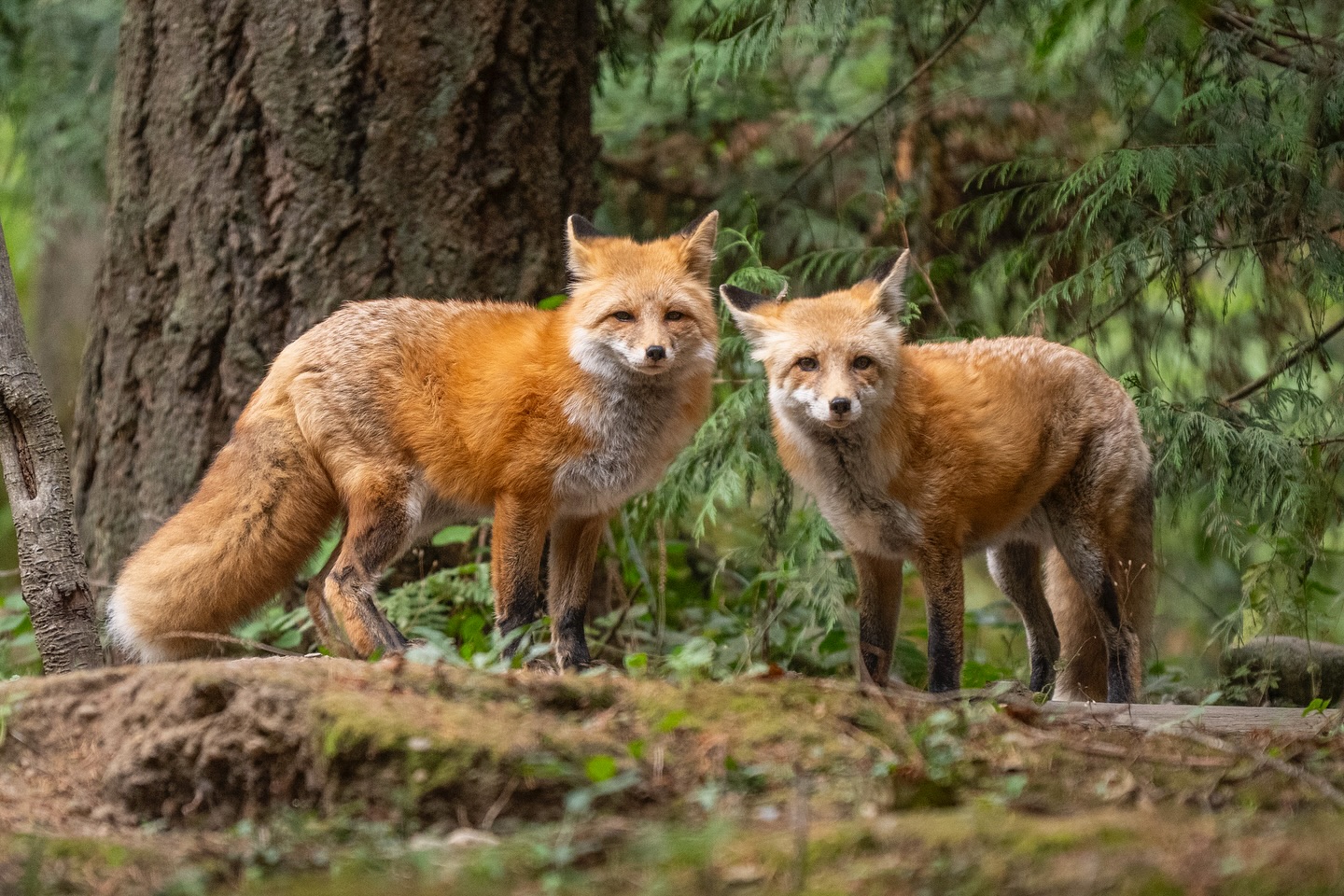
- The roles of Jack, Radar, Kamiah, and Whittaker in wildlife care.
- Understanding the needs of senior fox siblings.
- The impact of habitat updates on animal well-being.
- Best practices in wildlife conservation and management.
- The significance of engaging the public in wildlife education.
The vibrant personalities of Jack, Radar, Kamiah, and Whittaker showcase the intricate dynamics of wildlife care, particularly in managing rescued fox siblings. Each animal fulfills a distinct role that contributes to a harmonious living environment within their habitat. This article explores these roles in detail, focusing on their needs as they age, the impact of habitat upgrades, and broader wildlife conservation practices.
Jack is known for his assertive demeanor; he barks orders that set the tone for daily routines. This behavior reflects natural social structures within fox families, where a certain hierarchy often exists. Male foxes tend to establish themselves as bold leaders, using vocalizations as a means to communicate with other family members. This behavior can be important for ensuring cooperation during feeding or playtime, creating a well-organized environment for the four fox siblings.
Radar plays the role of supervisor, closely monitoring his siblings’ activities. This oversight mirrors behaviors observed in wild foxes. In their natural habitat, foxes are known to remain alert to their surroundings, always vigilant for predators or other threats. Radar’s watchful nature is crucial for maintaining peace in their shared habitat. While Jack demands the attention of the group, Radar ensures that any tension or potential conflicts are swiftly addressed, allowing all to thrive in a stress-free atmosphere.
Kamiah’s role is particularly essential in promoting a peaceful coexistence among the group. She embodies the traits of a peacemaker, often stepping in to mediate disputes with a gentle demeanor. In zoological terms, this behavior is significant because social relationships profoundly impact the mental health of animals. Stress can lead to health issues, so having a member like Kamiah is vital in fostering positive interactions. Her actions contribute to a supportive environment where all siblings have the chance to express themselves without fear.
Whittaker, the most laid-back of the quartet, exhibits a patient demeanor. He waits for treats with a calm presence that contrasts with the more active behaviors of his siblings. This calmness plays a critical role in their habitat. By being a stable figure, he reduces the tension often caused by competition for food or attention. His willingness to wait cultivates an atmosphere of patience and expectation, helping to create balance within their habitat.
Seniors like Jack, Radar, Kamiah, and Whittaker require special attention, particularly when it comes to their health. One of the most crucial aspects of care involves proper nutrition. As animals age, their metabolism changes, and their dietary needs may shift significantly. Caretakers must be knowledgeable about age-appropriate diets rich in essential nutrients while also accommodating any specific health concerns, such as dental issues or weight management. Routine veterinary check-ups become increasingly vital as well, ensuring all necessary vaccinations and health screenings are in place.
The recent update to their habitat was far more than a cosmetic change. Creating a cozy and secure environment fosters both physical and psychological well-being. Studies in animal behavior reveal that a well-structured habitat can reduce stress levels and promote natural behaviors. Features such as enrichment tools, safe hiding places, and varied terrain not only make the environment stimulating but also mimic some aspects of the foxes’ natural habitat.
Habitat upgrades should include considerations such as air quality, temperature control, and safe access to natural sunlight. Older animals are particularly susceptible to temperature fluctuations, so maintaining a consistent and comfortable environment becomes paramount. Comfort significantly reduces stress and promotes healthy aging. Overall, habitat design reflects a commitment to high standards of animal welfare and should prioritize promoting the overall well-being of residents.
In wildlife conservation and management, the everyday care of animals like Jack, Radar, Kamiah, and Whittaker resonates with broader implications. By focusing on rescued animals, caretakers help combat larger environmental issues. Rescued animals often reflect the impacts of habitat destruction, climate change, and human interference. Ensuring their well-being not only aids in individual survival but also sends a strong message about the importance of conservation efforts. Highlighting the stories of rescued animals can galvanize support for wildlife preservation initiatives.
Engaging the public is another vital aspect of wildlife conservation. Educational programs that inform visitors about the specific needs of animals such as foxes can foster greater awareness of environmental issues. When individuals learn about the lives of animals like Jack and his siblings, they often form emotional connections. These connections can spark action, whether through volunteering, donations, or increased advocacy for policy changes.
In zoo management, it’s essential to establish strong relationships between caregivers and animals. Animal training techniques can aid in this regard, particularly through positive reinforcement methods that help caregivers interpret animal behaviors more effectively. Understanding the cues and needs of Jack, Radar, Kamiah, and Whittaker enhances their care and nurtures trust. This bond facilitates medical examinations and daily routines while assuring the animals that they are in a safe and caring environment.
Communicating effectively with multiple stakeholders, including visitors, volunteers, and other institutions, is another integral element of zoo and wildlife management. Sharing valuable insights with the public enriches their experience and reinforces the importance of wildlife conservation. Workshops, guided tours, and educational programs allow for a two-way exchange of information, benefitting both the animals and the community.
Harnessing technology in efforts to enhance animal care represents another advancement in wildlife conservation. Monitoring systems can assist caregivers in tracking the health and well-being of animals. Cameras enable continuous observation without disturbing the animals, allowing for gathering data on behavior, activity levels, and food intake. Analyzing this information helps in making informed decisions regarding habitat improvements and dietary adjustments tailored to the specific needs of each fox sibling.
Ultimately, the well-being of Jack, Radar, Kamiah, and Whittaker is a reflection of the continued commitment to wildlife advocacy. As they age, the importance of incorporating older animal care practices becomes evident. Education about their needs, monitoring behavioral changes, and adapting habitats showcases an understanding of the nuances involved in wildlife care and conservation.
These foxes represent more than just their individual vibrancies; they symbolize a collective effort towards broader environmental stewardship. Their stories offer insight into the impact of human actions on wildlife, emphasizing that every small action contributes to the wider narrative of conservation. Engaging with the public and fostering a culture of awareness can lead to more significant changes in attitudes towards wildlife protection and habitat conservation.
Working towards a world where jack barks orders, Radar supervises, Kamiah keeps the peace, and Whittaker waits for treats reflects a harmonious balance of responsibility, care, and respect for nature. Such efforts inspire a community to prioritize wildlife conservation and animal welfare, ensuring that future generations will continue to share our planet with these remarkable creatures.
*****
Source Description
Jack barks orders, Radar supervises, Kamiah keeps the peace, and Whittaker waits for treats. 🦊 Our rescued fox siblings are now seniors with a freshly updated, cozy habitat! ❤️
