
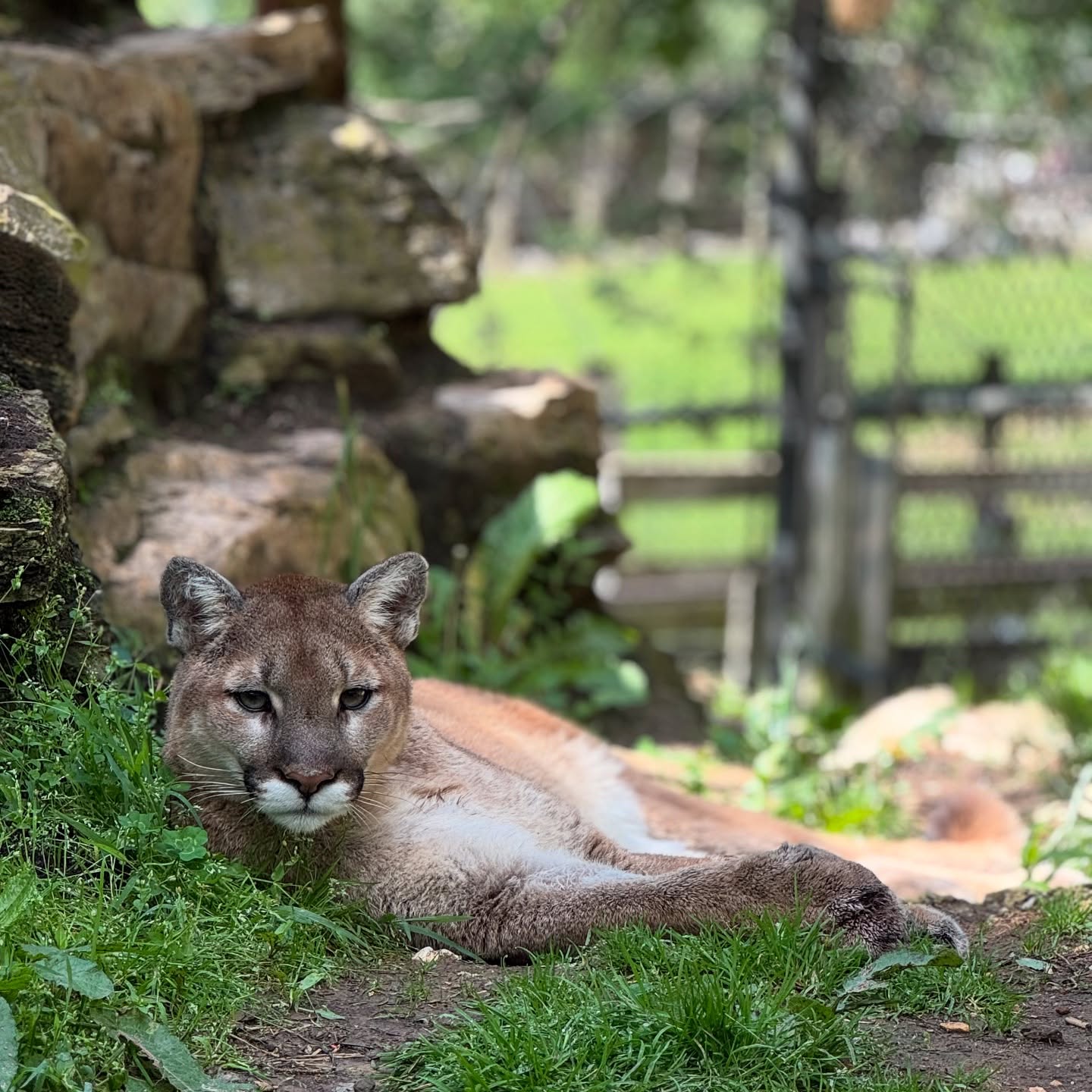
- Explore the role of Jacob, the Naturalist, in promoting wildlife conservation and environmental education.
- Understand the life cycle and ecological significance of ferns, focusing on their beauty and role in ecosystems.
- Discuss the importance of zoo management in wildlife conservation and public education.
- Highlight collaborative efforts between naturalists and conservationists to preserve biodiversity.
- Examine challenges and strategies in modern zoology for effective conservation practices.
Jacob, a seasoned naturalist, plays a pivotal role in wildlife conservation and environmental education. His efforts extend beyond mere observation; he’s dedicated to understanding and preserving biodiversity. As a naturalist, Jacob focuses on fostering a deep appreciation for nature among the public through educational initiatives and personal interactions at various conservation events.
Jacob’s work illuminates the intricate relationships within ecosystems. One area of his expertise involves plants, specifically ferns. These often-overlooked plants are vital to many ecosystems, providing critical habitats, reducing soil erosion, and participating in the nutrient cycle. Jacob’s dedication to highlighting the significance of these verdant organisms enriches public understanding and appreciation, ensuring that ferns and their roles are recognized and valued in conservation efforts.
Ferns are fascinating plants, some of the oldest living organisms on Earth. They reproduce via spores rather than seeds or flowers, a process that sets them apart from many other plant species. This uniqueness contributes to their adaptability and ecological roles. Ferns thrive in varied environments, from tropical rainforests to temperate woodlands, each species playing a specific role in its habitat. They often serve as pioneer species in disturbed areas, stabilizing the soil and creating conditions favorable for other plant species. Their elegant fronds also add beauty to shaded garden areas, highlighting the intersection between utility and aesthetics.
The ecological significance of ferns extends to their role in carbon sequestration. Like trees, ferns absorb carbon dioxide, aiding in the reduction of greenhouse gases. This natural process supports climate regulation. Additionally, ferns provide food and shelter for various animals, from insects to larger vertebrates, making them crucial components of food webs.
Zoo management is another critical aspect of wildlife conservation. Well-managed zoos function as educational hubs, offering the public opportunities to learn about and engage with animal species they might never encounter in the wild. They also participate in breeding programs, species reintroduction efforts, and habitat preservation projects. These strategies not only help maintain genetic diversity but also raise awareness of the issues facing endangered species.
For individuals like Jacob, zoos provide a platform to reach wider audiences. By delivering educational programs and interactive experiences, he engages visitors in meaningful ways, encouraging them to develop a lifelong commitment to conservation. Through exhibits and behind-the-scenes tours, Jacob introduces guests to the complexities of preserving diverse species, emphasizing the interconnectedness of all life forms.
Collaboration is key in the efforts to preserve biodiversity. Naturalists like Jacob often partner with conservationists, researchers, and environmental organizations. These partnerships are essential for developing and implementing sustainable conservation practices. By sharing data and resources, they work to protect habitats, advocate for policy changes, and implement conservation strategies that are informed by scientific research.
Such collaborations also enable the development of comprehensive conservation plans that address specific challenges faced by particular species or ecosystems. This teamwork approach leverages varied expertise, producing innovative solutions that single entities might not achieve alone. Together, they strive to foster a global community dedicated to preserving the biodiversity that sustains life on Earth.
Modern zoology faces numerous challenges in conserving wildlife. Habitat destruction, climate change, and illegal wildlife trade are among the significant threats to species worldwide. Zoos, naturalists, and conservationists must continuously adapt their strategies to effectively respond to these issues. Emphasizing education and awareness is a significant part of these efforts. By informing the public about the real impacts of these threats, conservationists can galvanize community support for protective measures.
In addressing climate change, strategies include habitat restoration projects and supporting renewable energy initiatives. These efforts aim to mitigate the effects of climate shifts on vulnerable ecosystems. Similarly, combating illegal wildlife trade involves international collaborations, enforcing stricter regulations, and promoting sustainable livelihoods to reduce poaching incentives.
A primary goal in zoology and conservation is to empower communities to actively participate in preserving their local environments. Engaged communities often lead to successful conservation outcomes, as they are more likely to implement and support initiatives tailored to their needs and circumstances. These grassroots efforts complement broader conservation strategies, creating a robust framework for biodiversity protection.
Through his work, Jacob exemplifies how passion and expertise in zoology can drive meaningful contributions to conservation. His dedication inspires others to take action, fostering a culture of responsibility and stewardship for the natural world. By aligning his efforts with those of other conservation professionals, Jacob plays a critical role in the ongoing battle to preserve the planet’s rich biodiversity and ecological integrity.
*****
Source Description
Fern is enjoying a beautiful
📷: Jacob, Naturalist
