
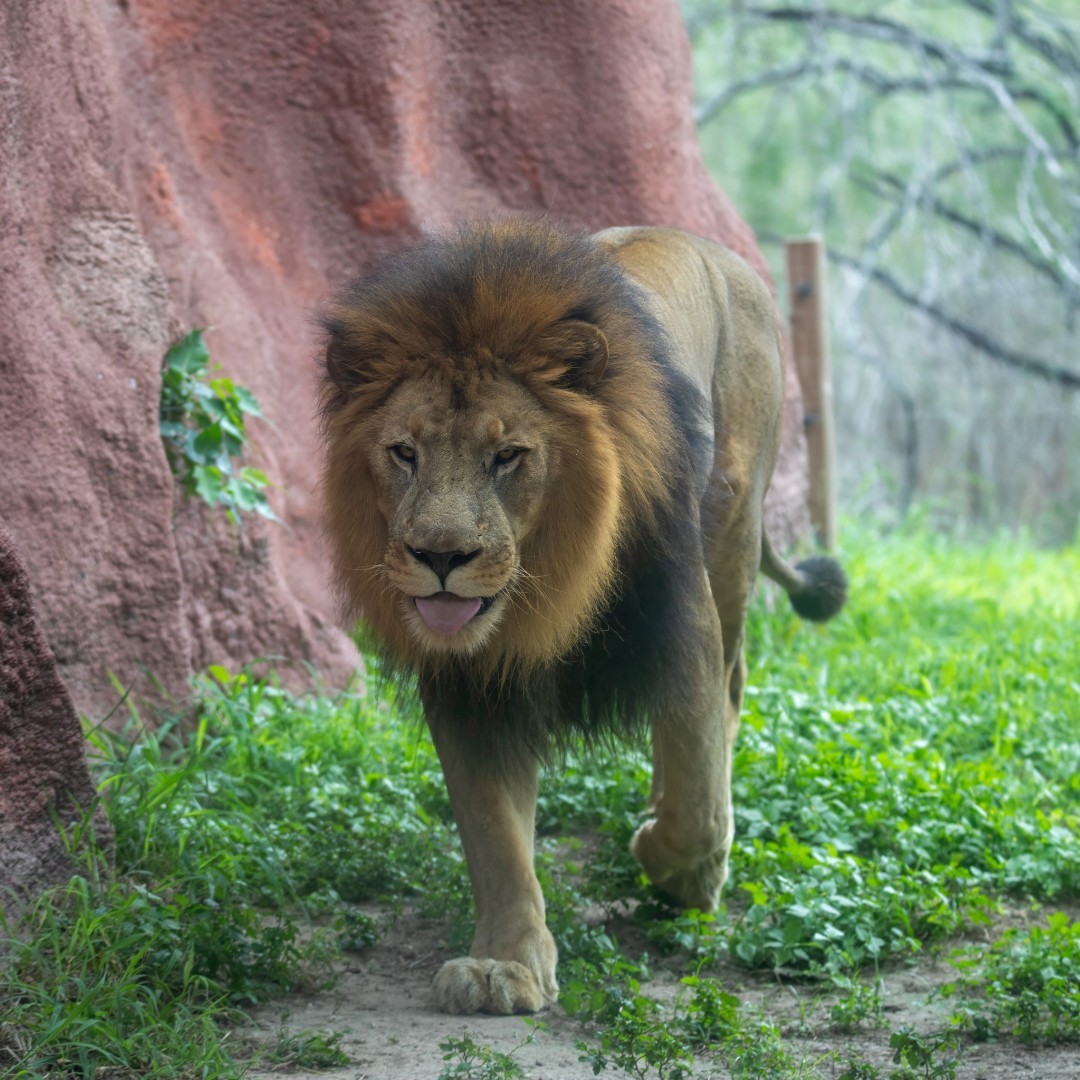
- The meaning and significance of “blep” in animal behavior
- Understanding Jamil: A case study in animal characteristics
- The interaction between animals and their environments
- The role of zoos in wildlife conservation
- Promoting global awareness of animal behavior and conservation
The phenomenon known as “blep” has caught the attention of animal lovers and researchers alike, especially when observed in species exhibiting notable behavioral traits. Blep refers to a specific way in which animals, particularly mammals, stick out their tongues, often in a relaxed manner. This seemingly casual action can serve various purposes, including thermoregulation, communication, and exploration of surroundings. When animals, like Jamil, engage in this behavior, it may indicate feelings of contentment or curiosity.
Jamil serves as a prime example of a captivating creature performing a nonchalant blep, enriching our understanding of animal psychology and physiology. Animals express themselves through a variety of behaviors, and the blep is one interesting facet of interspecies communication. By examining Jamil’s behavior and its context, we gain important insights into how animals experience their environment and what their actions reveal about their mental states.
The environment where an animal resides significantly influences its behavior. Animals like Jamil are often found in settings that mirror their natural habitats, and observing them in such contexts allows for deeper analysis of their actions. In zoos, for instance, the replication of natural habitats aims to provide a sense of comfort and encourage natural behaviors. When Jamil performs a blep, it may signal both a relaxed posture and an exploration of its surroundings, demonstrating how well-designed habitats can enhance animal welfare.
Zoos have evolved from mere display facilities into conservation hubs focused on education and preservation. As public interest in wildlife flourishes, zoos play a critical role in raising awareness about endangered species and habitat destruction. By using Jamil’s blep as an engaging focal point, zoos can educate visitors about the importance of species preservation and responsible environmental practices. The implementation of animal behavior observation can lead to greater public understanding and appreciation of wildlife.
In tandem with their educational roles, zoos also engage in breeding programs aimed at reviving vulnerable populations. This facet of zoo management not only supports animal welfare but contributes to larger conservation efforts. By understanding behaviors like the blep, zookeepers can gain insights into animal health and mood, which can ultimately influence breeding decisions and care strategies.
Public engagement is critical in wildlife conservation. The story of Jamil and its nonchalant blep offers a platform to introduce the importance of animal welfare to a broader audience. Highlighting relatable behaviors serves to demystify wildlife and enhance appreciation, creating advocates for conservation. Each interaction, no matter how small, can have lasting effects on public perception and action.
Animal behavior continues to be a field ripe for exploration. Understanding Jamil’s blep can extend beyond mere observation. Researchers can analyze the circumstances under which this behavior is most frequently displayed and correlate those observations with physiological data. Such studies can enhance knowledge surrounding animal welfare and inform zoo protocols.
The study of animal behaviors like Jamil’s nonchalant blep also emphasizes the need for diversity in research methodologies. Employing both qualitative and quantitative measures can yield richer datasets. Certain behaviors, including bleps, can represent complex responses to stimuli, requiring sophisticated analytical approaches. Not only do these insights benefit individual animals, but they also translate to broader conservation efforts.
In the context of zoos, understanding behavioral indicators is paramount. A blep, for instance, can signify that an animal is feeling secure in its environment. This information can guide changes in animal care strategies, ensuring that the well-being of residents is prioritized. Well-informed zookeepers who recognize the nuances of animal communication are better suited to create enriching environments.
Ultimately, understanding Jamil and its blep extends beyond personal curiosity. It ties into larger themes of animal welfare, environmental education, and public engagement in conservation efforts. Each insight leads to a deeper appreciation for wildlife, increasing advocacy against threats such as deforestation, poaching, and climate change.
To maximize the educational potential of experiences like observing Jamil’s behavior, zoos can implement interactive displays and informational signage. Audiovisual elements can also enhance visitor engagement, showcasing the significance of seemingly trivial actions like blepping. By making the connection between Jamil’s actions and broader conservation issues, zoos can effectively motivate their guests to take action for wildlife.
Social media has also played a transformative role in shaping our understanding of animal behavior in contemporary society. Platforms such as Instagram and TikTok circulate videos of animals displaying behaviors like blepping, effectively reaching a diverse audience. This democratization of knowledge means that anyone with an internet connection can learn about Jamil and similar animals, fostering an appreciation for wildlife.
Educational campaigns can leverage viral content to drive home the imperative of protecting these species in real life. Stories about individual animals can serve as a powerful reminder of the need for conservation actions. Whether it’s enabling communities to support wildlife sanctuaries or encouraging responsible tourism, the blep phenomenon can bridge the gap between fun engagement and serious conservation messaging.
The potential implications of understanding behaviors like Jamil’s blep reach far into the future of wildlife conservation. As animal behavior research deepens, there is hope that new strategies will emerge for protecting endangered species. The ability to interpret behaviors accurately means improved care systems, more successful rehabilitation efforts, and greater public involvement in conservation initiatives.
Observational studies can greatly assist in understanding the nuances of animal interactions with their ecosystems. Careful documentation of behaviors, such as the blep, under various conditions helps develop a well-rounded understanding of animal needs. This data can influence everything from habitat design to nutrition standards for captive animals, governing how zoos engage with species preservation over time.
Furthermore, as the field of animal psychology grows, those interested in zoology should appreciate the importance of interdisciplinary approaches. Collaborations between zoologists, ecologists, and psychologists enrich our understanding of complex behaviors like blepping. Incorporating varied expertise can lead to breakthroughs in how we view and manage animal welfare.
Jamil’s nonchalant blep exemplifies a broader spectrum of animal behaviors that warrant attention as we work towards a sustainable future. By focusing on these behaviors within the context of conservation, we emphasize the interconnectedness of species within ecosystems. Understanding such interactions empowers us to advocate for changes that benefit both wildlife and their habitats.
Each exhibition of animal behavior offers valuable lessons, from understanding psychological needs to recognizing environmental impacts. Jamil’s blep stands as a beacon for animal welfare, encouraging educational outreach and greater consideration of how we coexist with the natural world. Promoting understanding of the ecosystems that sustain us remains vital in an age marked by rapid change and uncertainty.
Behavioral studies, especially those focusing on something as simple as a blep, foster public curiosity and ignite activism. Animal behavior should serve as a foundation for promoting conservation awareness globally. When individuals appreciate creatures like Jamil, whole species can benefit from more robust protections and informed advocacy.
In exploring the nuances of animal behaviors like the blep, we recognize our role as mere observers but also as stewards of this planet. Understanding the subtle interactions between an animal and its environment fosters a greater sense of responsibility towards wildlife conservation efforts. Through collective efforts, the impact of understanding animal behaviors can resonate far beyond personal encounters, shaping collective action for a better world.
*****
Source Description
Jamil is giving us a nonchalant blep 👅for
