
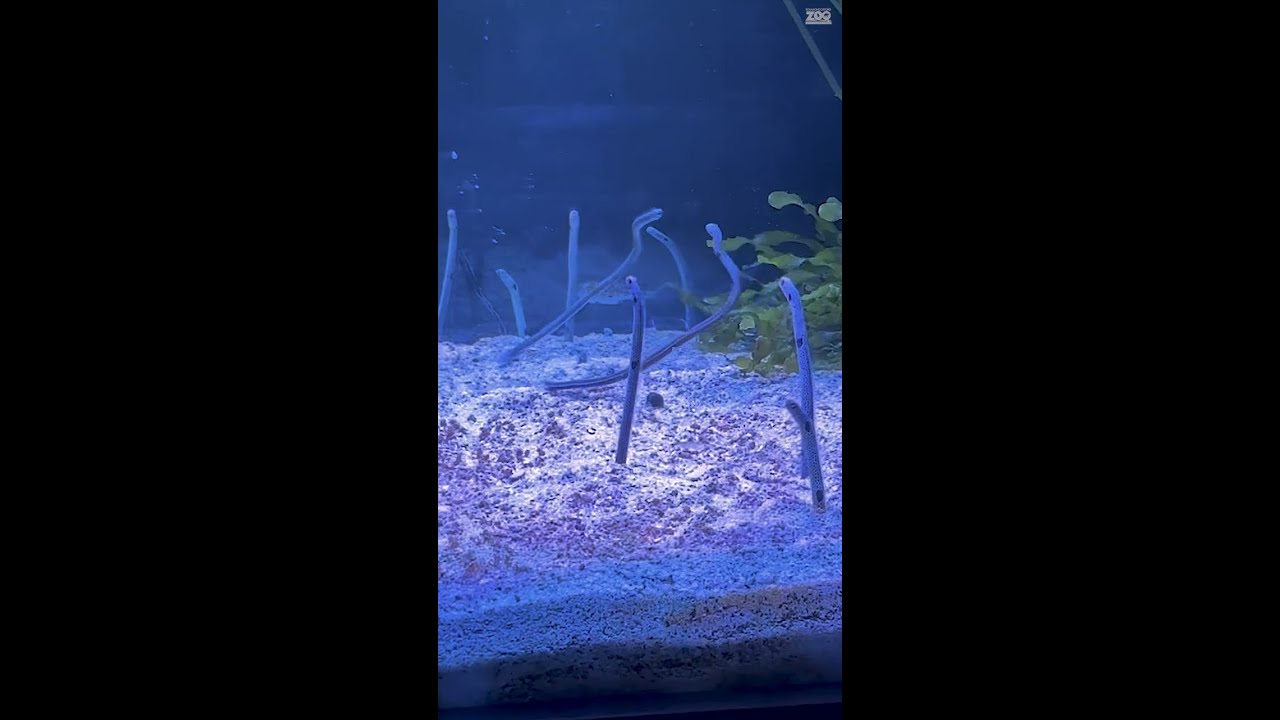
- Anatomy and Behavior of Garden Eel Burrow
- Ecological Importance and Habitat
- Reproduction and Development
- Conservation Challenges and Strategies
- Role in Zoo Management and Educational Outreach
The garden eel burrow is a fascinating aspect of marine life with its unique adaptation and behavior. Understanding these burrows begins with examining the garden eel’s anatomy and behavior. These eels, belonging to the subfamily Heterocongrinae, are slender, elongate, and primarily reside in sandy bottom habitats of coral reefs, lagoons, and coastal areas. Their burrowing behavior is their most remarkable trait. Each eel constructs a tube-like burrow in sandy substrates. They maintain these burrows by secreting a mucus coating that lines the structure, providing stability and protecting against collapse.
Garden eels spend most of their time protruding from their burrows, swaying with the ocean currents to catch zooplankton and other microscopic organisms. This swaying, synchronized among colonies, protects the eels by confusing predators and making individuals difficult to target. Their behavior is also notable for its efficiency in feeding, as they capture prey passively by positioning themselves optimally within the water column.
These burrows and behaviors contribute significantly to the ecological balance in their habitats. They aerate the sediment, facilitating nutrient cycling within the marine ecosystem. This role can be likened to the earthworms of terrestrial environments. The presence of garden eel burrows indicates healthy sand bed ecosystems, with their activities supporting cleaner, oxygen-rich substrates favorable to other marine organisms.
Understanding garden eels’ reproductive behavior provides insights into their lifecycle. These eels exhibit external fertilization, with males and females synchronously releasing gametes into the water. This event is often timed with lunar cycles, ensuring the eggs have the best chance of survival. Once fertilized, the larvae are planktonic, drifting in the ocean currents until they mature enough to form their burrows. Their reproductive success is heavily influenced by environmental factors like water quality and temperature.
Garden eels face numerous conservation challenges. Coastal developments, pollution, and climate change significantly threaten their habitats. The degradation of coral reefs and sandy seabeds reduces suitable environments for these eels. Conservation efforts are thus essential. Maintaining marine protected areas (MPAs) is a crucial strategy, as it helps preserve the biodiversity of these regions. Furthermore, raising public awareness about the importance of coral reefs and sandy bottom conservation can foster broader support for protective measures.
In zoo management, garden eels serve an educational role. Exhibits featuring these eels can engage visitors with a slice of marine life that is both captivating and informative. Replicating their natural habitat in an aquarium requires precision to mimic water currents and substrate conditions, allowing these creatures to behave naturally. Such exhibits can highlight the critical role these eels play in marine ecosystems, encouraging conservation awareness and efforts.
Overall, garden eels and their burrows provide a window into the intricate dynamics of marine ecosystems. They highlight the interconnectedness of organisms within these environments and the importance of conservation efforts to maintain the delicate balances that sustain life in our oceans. By focusing on these eels in zoo exhibits and outreach programs, we extend knowledge and appreciation for marine biodiversity, fostering a commitment to environmental stewardship.
*****
Source Description
Many people are familiar with our wiggly little garden eels – but are you familiar with more than just their heads? 😲
Aquarist Mackenzie captured this incredible video of a spotted garden eel emerging fully from its burrow, and then digging itself into the sand to create a new one!
#Syracusezoo #Syracuse #CNY #GardenEel #OnondagaCounty #OnondagaCountyParks
