
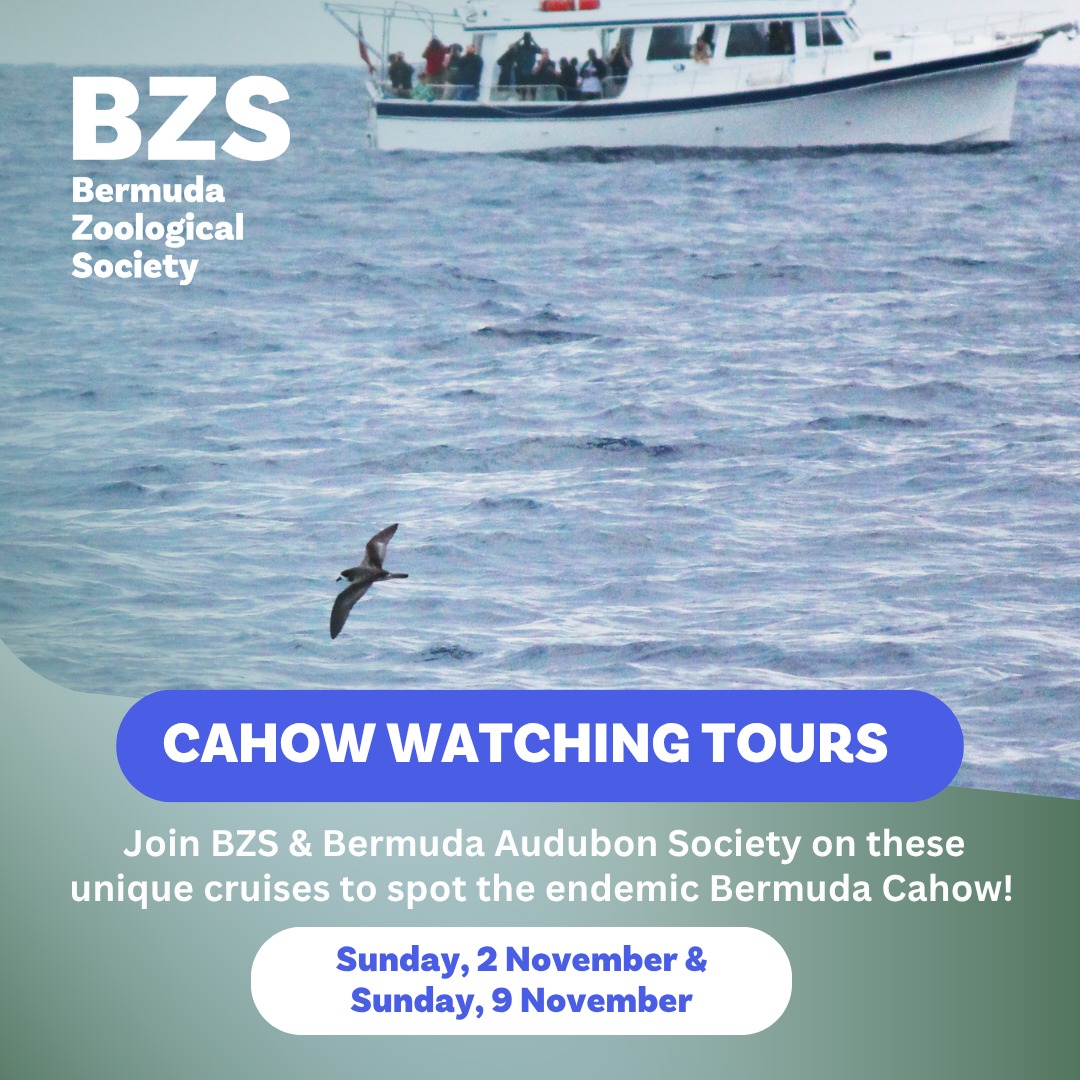
- Two opportunities in November to observe the Bermuda Cahow with BZS and the Bermuda Audubon Society.
- Importance of the Bermuda Cahow in local ecology and conservation efforts.
- Details regarding the Cahow Watching trips, including logistics and costs.
- Significance of bird watching as a tool for education and awareness in conservation.
- The role of collaborations among organizations in wildlife protection efforts.
The Bermuda Cahow, or the Bermuda Petrel, is a remarkable seabird that demonstrates a fascinating aspect of local biodiversity. This bird has become an emblem of conservation success on the islands of Bermuda. Due to intensive conservation efforts, this previously endangered species is now more frequently observed. In November, the Bermuda Zoological Society (BZS) and the Bermuda Audubon Society will be hosting two Cahow Watching excursions, offering participants the chance to witness these birds in their natural habitat.
Birds of the Bermuda Cahow’s stature are integral to the ecological balance of the region. They contribute to marine ecosystems through their feeding habits and play a critical role in maintaining the health of the seabed. The Cahow is particularly noteworthy due to its unique breeding habits and the extraordinary lengths it goes to for courtship. Observing these behaviors offers extensive educational opportunities for attendees, further enriching public knowledge about the species’ importance in Bermuda’s ecology.
On Sunday, November 2 and Sunday, November 9, bird enthusiasts can join the Cahow Watching trips. These excursions offer a unique chance to witness the courtship displays of these birds. The R/V Endurance will depart from Flatts Dock at 2:30 p.m., heading to the south shore beyond Cooper’s Point, a prime location for viewing Cahows. Participants can expect the boat to return around 6:30 p.m., giving ample time for observation. The cost for non-members is $85, while BZS and Bermuda Audubon Society members can join for $75. This pricing allows for an affordable entry point into the rewarding experience of bird watching.
Bird watching stands as an essential activity for both education and awareness in conservation. Witnessing the courtship displays of the Cahow provides firsthand experience, making it a powerful tool for teaching participants about the challenges faced by this species and the conservation efforts aimed at protecting it. As members of the audience become more informed about biodiversity, they can engage more actively in conservation initiatives. The connection fostered during these observations also promotes a broader understanding of the significance of conserving habitats.
The collaborative efforts among organizations such as BZS and the Bermuda Audubon Society are pivotal in wildlife protection initiatives. These collaborations unite resources, knowledge, and expertise, significantly enhancing the capability to safeguard species like the Bermuda Cahow. By working together, organizations can amplify their outreach and educational efforts, ultimately affecting more change in their respective communities.
Conservation actions for the Bermuda Cahow began as early as 2004, with the establishment of a pivotal recovery plan. The Cahow had been classified as extinct for over 300 years before the re-discovery of a small breeding population on the shores of Bermuda. The current recovery efforts aim to increase the population and re-establish a stable breeding environment. These efforts have yielded success, with the Cahow population increasing from just 18 known breeding pairs in 2001 to more than 300 pairs today.
One of the special features of the Bermuda Cahow is its nocturnal behavior. While many seabirds are diurnal, Cahows forage after sunset, using the cover of darkness to evade predators. This behavior is critical for survival but adds complexity to studying their habits in the wild. The birds gather in large groups to perform elaborate courtship displays in the late afternoon before they retreat to their burrows under the cover of night. Such unique behaviors contribute to the intricacies of their ecology and the challenges of conservation.
Bermuda’s coastal ecosystems are under constant pressure from various forms of human impact, including climate change, pollution, and habitat loss. The Cahow, like many seabirds, is vulnerable to these threats. Their reliance on healthy marine environments makes them indicators of environmental health, allowing scientists to monitor the state of marine ecosystems. Educational programs centered around Cahow watching emphasize the importance of maintaining clean and healthy coasts.
The significance of the southern shore, especially Cooper’s Point, cannot be overstated within the context of the Cahow’s life cycle. This area serves as a gathering point for these birds, where they engage in courtship rituals essential for mating. The visual spectacle during the Cahow Watching trips is more than just an incredible sight; it highlights the crucial habitat requirements of the species and the dedication of local conservation efforts to preserve these areas.
Post-trip, participants may feel inspired to take further steps in wildlife stewardship. Conservation is an ongoing effort that requires community involvement and advocacy. Engaging with local conservation initiatives, participating in habitat restoration projects, or simply educating friends and family about the Cahow and other local species can amplify this impact.
Moreover, educating local school children about Bermuda Cahows and their habitat engages the next generation of conservationists. Integrating this knowledge into school curriculums fosters a connection with nature and an understanding of wildlife’s role in a balanced ecosystem.
Beyond just being a recreational activity, observing the Bermuda Cahow serves as a celebration of wildlife conservation successes and efforts. It rekindles appreciation for coastal ecosystems, urging individuals to reflect on their environmental impact. This sense of responsibility can lead to more concerted efforts in protecting local wildlife and habitats.
In addition to Cahow Watching, organizations like BZS and the Bermuda Audubon Society offer various programs throughout the year. These include guided nature walks, educational workshops, and volunteer opportunities, creating a multifaceted approach to conservation. Each event cultivates a deeper understanding of local ecosystems and encourages sustainable practices among participants.
The upcoming Cahow Watching trips embody the spirit of conservation and education. They present an opportunity not only to observe an extraordinary species but also to become an active participant in efforts to protect Bermuda’s unique environment. As such, participating in these excursions allows individuals to witness firsthand the cares and challenges related to the Bermuda Cahow and its habitat.
As awareness grows regarding the importance of preserving species like the Cahow, collaborative efforts among local communities, organizations, and governments become even more vital. Building partnerships and fostering discussions about ecological stewardship leads to more effective strategies in addressing these challenges.
The excitement of witnessing the courtship displays of Bermuda Cahows next month highlights the importance of community involvement. By taking part in these Cahow Watching trips, participants contribute to a larger narrative of conservation, learning about and supporting efforts designed to protect an irreplaceable part of Bermuda’s natural heritage. The hands-on experience offers not just a memorable outing, but a genuine understanding of the link between local wildlife and environmental conservation.
By participating in the Cahow Watching trips with the BZS and Bermuda Audubon Society, individuals will leave with a greater appreciation for these extraordinary sea birds and inspire others to participate in conservation efforts that are essential for the future of Bermuda’s ecosystems.
*****
Source Description
There are two opportunities next month to join BZS and the @bermudaaudubonsociety to observe the endemic Bermuda Cahow!
Travel aboard the R/V Endurance to the south shore beyond Cooper’s Point. This is where the birds gather and perform their beautiful courtship displays in the late afternoon, just prior to returning to their island burrows under cover of darkness.
📅 Two Cahow Watching trips are on offer and will take place on Sunday, 2 November and Sunday, 9 November. The boat will depart Flatts Dock across from BAMZ at 2:30 p.m. arriving back approximately at 6:30 p.m. The cost is $85 for non-members and $75 for BZS and Bermuda Audubon Society members.
📌To book the Cahow Watching Trip, click the link in our bio.
