
- The significance of winter housing for zoo animals.
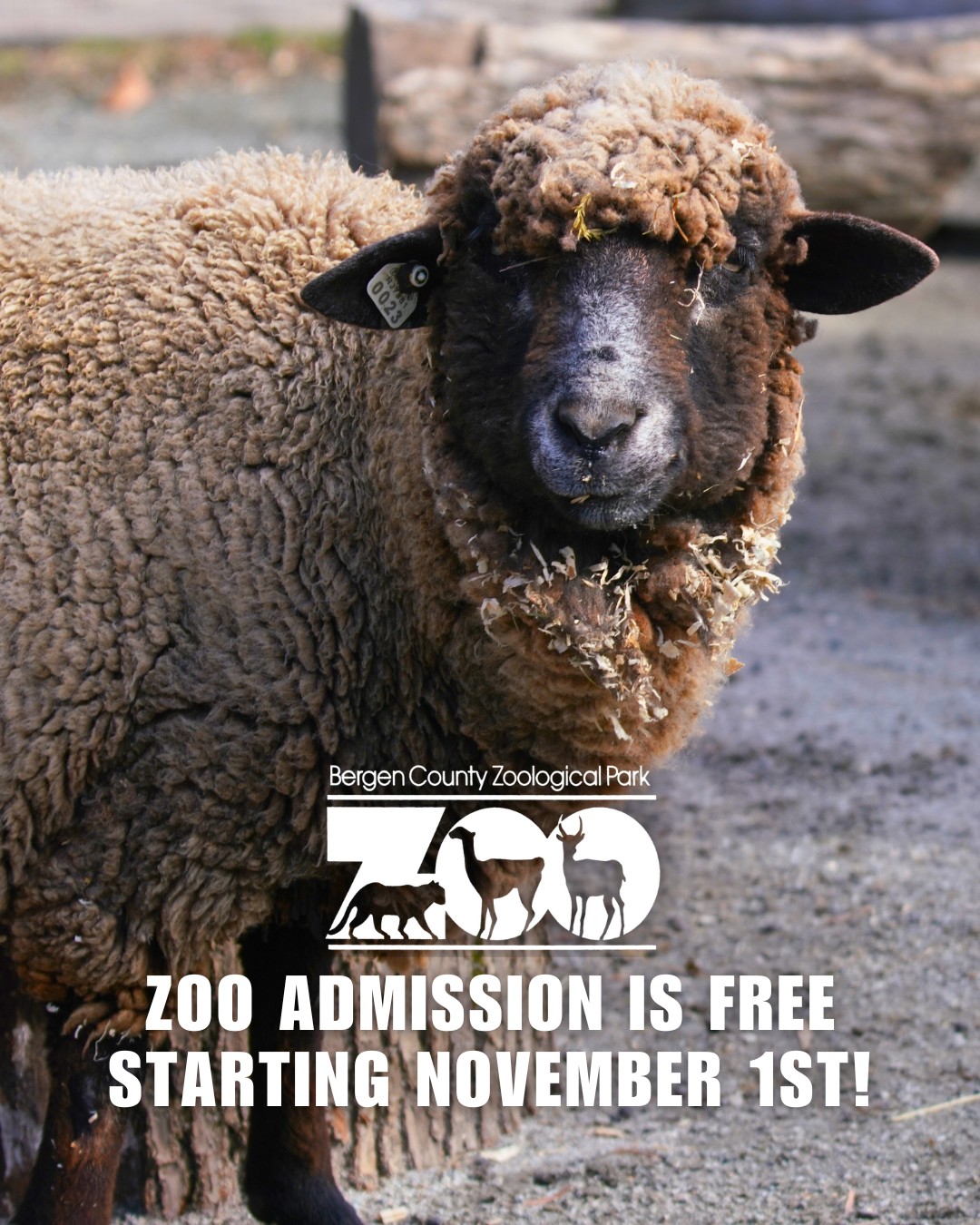
- Details of the zoo’s free admission policy from November 1, 2025.
- An overview of the animals still on display in the Education Center.
- Importance of visitor engagement during winter months.
- Understanding ticket requirements for attractions like the train and carousel.
Housing zoo animals during the winter months is a practice rooted in animal welfare standards and ecological understanding. Many species, particularly those native to warmer climates, face challenges when temperatures drop. By moving them indoors, zoos can maintain suitable environmental conditions, mitigating unnecessary stress on the animals. Indoor habitats are typically climate-controlled spaces that mimic natural settings, providing a stable habitat where animals can thrive even in the cold. This practice not only protects the animals from harsh weather but also contributes to their overall health and longevity.
In alignment with this dedication to animal well-being, the zoo is pleased to announce that from November 1, 2025, admission will be free until early spring in 2026. This initiative makes the zoo more accessible to the public, allowing visitors to connect with wildlife during a time when many animals may be resting indoors. The free admission policy aims to encourage people to explore the Education Center, learn about animal care, and appreciate the species that remain visible. This approach reflects a broader commitment to facilitating public awareness and appreciation for wildlife, even when certain residents are off display.
The Education Center houses a variety of animals that guests can still observe during the winter months, ensuring that visitors can still enjoy a meaningful experience. Species such as reptiles, amphibians, and various small mammals may still be on view, providing insight into diverse ecosystems and the importance of biodiversity. This space serves as an educational hub, where interactive exhibits and informative displays about conservation efforts can spark curiosity and foster a love for wildlife among attendees. Understanding these animals and their habits is vital for appreciating the complexities of wildlife conservation.
Visitor engagement during winter is crucial for several reasons. As many wildlife centers do not allow public access to certain animals, this is an opportune moment for guests to engage with the zoo in an alternative way. By participating in educational programs, workshops, and guided tours, visitors can still connect with the mission of the zoo. Each educational encounter allows participants to learn about animal care and conservation methods, highlighting efforts to preserve endangered species and their habitats. This engagement can inspire guests to advocate for wildlife protection beyond their visit.
While the zoo provides free admission, it is important to note that tickets will still be required for attractions such as the train and carousel. These offerings can enrich visitor experiences, making a trip to the zoo even more memorable. The train offers a scenic view of the zoo grounds, while the carousel features animals crafted with care, promoting both enjoyment and education. By purchasing tickets for these activities, guests contribute to the zoo’s ongoing conservation and education initiatives.
As winter months approach, the complexity of animal care and visitor interaction becomes more pronounced. The decision to house many animals indoors underscores a commitment to maintaining animal welfare. Understanding these principles offers a window into the practices that guide zoos in their mission to care for wildlife. Efforts such as this are critical not only for the animals’ safety but also for educating the public about proper animal care and the need for wildlife preservation.
Zoos are increasingly recognized as pivotal institutions in wildlife conservation. Their involvement aids in sustaining species that may face threats from habitat loss, poaching, and climate change. The winter housing of animals exemplifies a proactive approach to conservation. By maintaining healthy animals during adverse weather conditions, zoos bolster captive breeding programs aimed at restoring dwindling populations in the wild.
One of the key challenges faced by zoos during winter is ensuring that their indoor habitats remain stimulating for the animals. Enrichment programs play a vital role here. These programs involve introducing new stimuli into an animal’s environment—this could be through the addition of toys, varying food presentations, or new scents. Ensuring mental engagement is just as important as physical health, enabling animals to exhibit natural behaviors despite their winter accommodations.
In addition to animal welfare, the free admission policy and the operations of the Education Center serve to strengthen community ties. During the colder months, the zoo can become a refuge for families looking for indoor activities. This engagement fosters community awareness about wildlife conservation. Guests are encouraged to spread the word about crucial conservation initiatives, emphasizing the role of local communities in protecting biodiversity.
Understanding the importance of winter housing offers valuable insights into animal behavior and biological needs. For instance, many species undergo seasonal changes in behavior and diet, which can be less visible during winter months. This knowledge provides a foundation for future conservation efforts and helps frame discussions on how best to preserve various species.
As families plan winter outings, the zoo offers an attractive alternative to more conventional indoor entertainment. Informative exhibits and programs become platforms to educate young learners about environmental stewardship. On-site staff members often conduct talks and demonstrations, allowing guests to engage directly with the material in a hands-on learning environment.
Participating in zoo-sponsored events can enhance the overall visitor experience immensely. Seasonal activities can include craft programs focusing on wildlife themes or conservation seminars that delve into the challenges animals face. These experiences reinforce the idea that winter is not a season devoid of engagement regarding wildlife, but rather an opportunity for reflection on the ongoing efforts needed for preservation.
In terms of practicality, the zoo’s systems are enhanced through digital platforms that share real-time updates about animals in the Education Center. This initiative encompasses a shift towards transparency, keeping the public informed about which animals are on display and when they might return outside. Utilizing social media channels and the zoo’s website enables a broader audience to participate in discussions about animal welfare and conservation goals.
Families visiting during the winter can also explore practical ways to extend their learning beyond the zoo’s confines. With educational materials provided at visit sites, visitors are encouraged to discuss what they’ve learned and apply it within their homes and community. Educational inquiries from young guests can lead to meaningful family discussions on how lifestyles impact wildlife conservation.
Zoo admission will remain free until the spring of 2026, which underscores a commitment to wildlife welfare and community engagement. Free admission allows a wider audience to partake in experiences that foster knowledge and passion for animal conservation. As visitors explore the accessible portions of the zoo, they gain insight not only into the lives of the animals but also about the importance of preserving their habitats.
In summary, the winter housing of animals is integral to their welfare. With the announcement of free admission, many more will have the opportunity to witness educational programs and animal displays that exemplify conservation work. Participation in these initiatives promotes community awareness, inspires future generations, and emphasizes the need for ongoing action in wildlife conservation. As winter unfolds, the zoo welcomes not just visitors, but also an avenue for education and connection with the natural world.
*****
Source Description
Since a large number of our animals are housed inside during the winter months for their well-being and can’t be seen by guests, as of November 1st 2025, Zoo Admission will be free until sometime in the Spring of 2026. Please feel free to visit the Zoo and the Education Center and enjoy those animals that are still on view to the public. We’re sure they would love to see you!
Please note: Tickets are still required for the train and carousel when they are running.
