
- Heat management strategies in animals
- The role of water in animal behavioral adaptation
- Understanding alpaca care during hot weather
- Transitioning towards fall and its implications for animal welfare
- Conservation implications of temperature regulation in wildlife
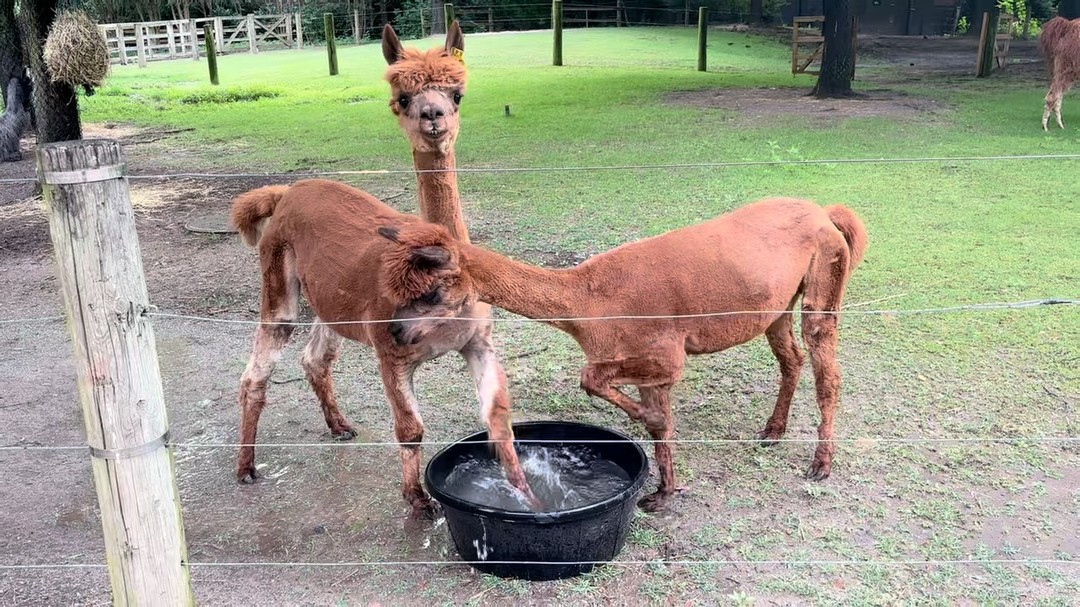
As summer days draw to a close, the heat might still linger. Animals, just like humans, can feel the effects of high temperatures. Understanding how various species cope with the heat is essential for anyone interested in wildlife management and conservation. One striking example comes from the behaviors observed in alpacas, which are increasingly recognized for their adaptability. A simple yet effective tactic they employ is dipping their feet into a tub of cold water. This cooling method helps regulate their body temperature, showcasing an instinctual approach to thermal stress management in a changing environment.
Heat management strategies in animals can be vast and varied. When ambient temperatures rise, many animals exhibit phenomena known as thermoregulation behaviors. Various species utilize tactics such as seeking shade, altering their activity levels, or, as demonstrated by the alpacas, utilizing water to cool off. This behavioral adaptability becomes increasingly vital as climate conditions fluctuate. Research indicates that animals with effective thermoregulation habits usually fare better during periods of high heat.
In the case of alpacas, their social structure and environment also play significant roles in their ability to cope with heat stress. Living in herds, these animals often exhibit collective patterns in seeking cooler places during the hottest parts of the day. This collective behavior helps not only the individual alpacas but also fosters community bonds within the herd. In a zoo or farm setting, it may be beneficial to design enclosures that allow for social interaction while providing access to shaded areas and water tubs.
The role of water in animal behavioral adaptation cannot be overstated. In many species, water sources serve as critical elements in managing body temperature. Animals instinctively know when to initiate cooling behaviors, and what may appear as simple actions are often rooted in complex physiological responses. In the wild, animals will frequently congregate near water during hot months, energy conservation, and hydration. For alpacas, the act of dipping their feet into a tub of cold water not only cools them down but also alleviates stress on their limbs, which are often working harder during hot weather to maintain body temperature.
Understanding alpaca care during hot weather is integral for owners and caretakers. Providing access to water shouldn’t be viewed as a luxury but as a necessity during extreme temperatures. Given their South American origins, alpacas have thick wool coats that can trap heat. Therefore, routine shearing can help manage their body temperature, but what is equally important is facilitating access to cooling methods like water baths. Care should also extend to monitoring their feeding and hydration. Nutritional changes may be warranted during heat waves; providing fresh, high-water-content vegetation can assist with hydration.
As we transition toward fall, the implications for animal welfare become even more pronounced. The cooling methods that served animals well during the summer may become inadequate as the temperature gradually drops. Adjustments in care come into play, such as ensuring animals can transition their activities relative to the changing temperatures. While animals may enjoy the cooler days of fall, the daily temperature fluctuations can pose challenges to their well-being. It’s essential to observe their behaviors and adapt care plans accordingly.
The conservation implications of temperature regulation in wildlife are significant. Understanding how animals manage heat can direct our conservation efforts. For instance, endangered species may lack the adaptive behaviors necessary to thrive in warmer climates. Commentators and researchers alike emphasize that climate change is significantly affecting animal habitats, forcing species to confront new temperature regimes that weren’t seen in the past. Conservation strategies should include habitat preservation that allows for natural temperature control, such as wetlands and shaded areas.
Moreover, it is pertinent to consider ecological impacts if certain species fail to adapt. The loss of biodiversity can drastically alter ecosystems. For example, if heritably less thermally tolerant species dwindle or disappear, those ecosystems can shift towards dominance by more resilient species, effectively altering the food chain.
Animal welfare standards should also adapt to these ongoing climatic shifts. Zookeepers, farmers, and wildlife officers must conduct regular assessments of weather impacts not only on the species they manage but on entire ecosystems. As temperature and precipitation patterns change, it becomes critical to apply proactive measures that support not just individual species but entire communities.
Encouragingly, increased awareness about the importance of animal welfare and conservation can drive both policy and public support for better practices. Educational programs centered on the adaptive behaviors of animals in response to climate challenges can inspire future generations of caretakers. The ownership of pets and livestock should not stop at ensuring physical needs; it must expand to encompass an understanding of how animals interact with their environment.
As summer heat wanes and fall approaches, the relationship between animals and climate remains a vital subject. Dipping their feet into cold water might seem trivial, but it embodies a significant aspect of how animals cope with their surroundings. Whether through behavior, habitat management, or conservation efforts, recognizing the intricate balance between species and their environments will be central to ensuring both animal welfare and ecological health.
Educational outreach plays a crucial role in wildlife conservation initiatives. By informing the public about the behavioral adaptations that animals employ in hot weather, we foster a sense of empathy and responsibility. Whether you’re an animal lover, a farmer, or a casual observer, understanding the needs of wildlife helps lay the groundwork for effective stewardship.
The next time you encounter the heat of late summer or early fall, remember that animals face similar challenges. Watching alpacas cool their feet in cold water can educate us about the vital importance of adequate care and environmental considerations. Reflecting on these aspects not just fosters compassion but also empowers us to take actionable steps in protecting the species we cherish.
*****
Source Description
Summer may be winding down, but there are still days when it’s hot. One way our alpacas beat the heat is by dipping their feet into a tub of cold water. Are you ready to dip your toes into fall?
📹 : Keeper Nicole
