
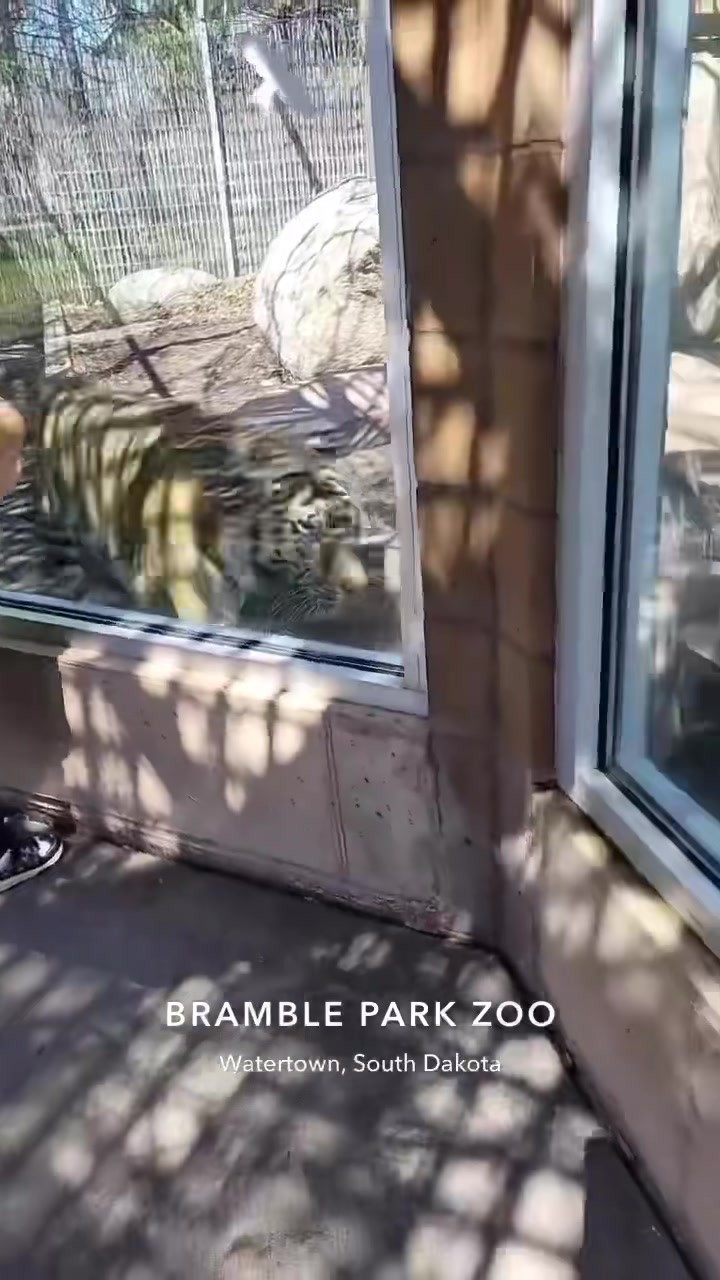
- Overview of the Amur tiger and its habitat
- Significance of conservation efforts for the Amur tiger
- Importance of engaging experiences, such as "Come take a walk with Ursula the Amur tiger!"
- Challenges faced by the Amur tiger in the wild
- Role of zoos in education and conservation
The Amur tiger, also known as the Siberian tiger, is one of the rarest big cats in the world. Native to the temperate forests of the Russian Far East and parts of China, these tigers are adapted to both cold climates and diverse habitats. The Amur tiger’s thick fur, with its characteristic orange color and black stripes, provides both camouflage and warmth in harsh conditions. Unlike other tiger subspecies, the Amur tiger exhibits a larger body size, with males often exceeding 400 pounds. Due to habitat loss and poaching, these magnificent creatures are classified as endangered.
To reinforce the significance of conservation efforts, initiatives focusing on the Amur tiger aim to bolster its population in the wild. International collaboration among conservation groups has led to habitat protection and anti-poaching measures. Protected areas, like Russia’s Land of the Leopard National Park, have been created to safeguard these tigers’ natural habitats. Community awareness programs also play an essential role in involving local populations in conservation.
Engaging experiences, such as "Come take a walk with Ursula the Amur tiger!", offer unique opportunities for people to connect with wildlife. Programs featuring animal ambassadors like Ursula provide educational insights about the species while promoting awareness about conservation needs. These experiences leverage human curiosity about big cats and transform it into actionable support for their habitats.
However, the Amur tiger faces significant challenges in the wild. Habitat destruction due to logging and agriculture continues to threaten their survival. Additionally, poaching for their fur and body parts remains a grave concern. Despite efforts to monitor and protect the remaining population, the continued encroachment of human activities creates ongoing instability in their ecosystems.
Zoos play a crucial role in both education and conservation. They help provide safe havens for Amur tigers and can facilitate breeding programs aimed at revitalizing population numbers. Modern zoos engage in genetic management to maintain diverse gene pools, which is vital for maintaining the health of captive populations. Through educational initiatives, zoos inform visitors about the threats facing Amur tigers and promote conservation actions that can be taken at both individual and community levels.
The combination of interactive experiences, such as taking a walk with an Amur tiger, coupled with solid conservation strategies, can create a lasting impact. Through these initiatives, the message of wildlife preservation resonates beyond the walls of zoos and into the hearts of the public.
Ursula, as an ambassador for the Amur tiger, offers participants an engaging way to learn about her species. The experience can include a guided interpretation of her behavior, feeding, and unique characteristics. This kind of close encounter with a tiger fosters a sense of urgency about conservation efforts and the broader ecosystem in which these animals live. Such initiatives have proven effective in attracting media attention and raising funds for ongoing conservation projects.
Humans share the planet with numerous animal species, each of which contributes to biodiversity. The Amur tiger sits at the top of the food chain in its ecosystem, playing a critical role in maintaining ecological balance. By regulating prey populations, these tigers help maintain the health of forests and grasslands. Without apex predators like the Amur tiger, ecosystems suffer from overgrazing and other forms of habitat degradation. The link between tiger conservation and overall environmental health is clear.
The collaboration between zoos, wildlife organizations, and local communities can further strengthen conservation outcomes. Programs focused on habitat restoration benefit not only the Amur tiger but also several other species that share its environment. By improving soil and vegetation quality, conservationists create conditions that allow ecosystems to thrive. Such efforts lead to a more sustainable approach to land use, which is beneficial for both wildlife and human communities.
Wildlife photography and documentation also serve important roles in the conservation of the Amur tiger. Visual storytelling can raise awareness and spark interest among diverse audiences. Social media platforms have become influential tools for spreading educational content that highlights the plight of endangered animals. In this context, initiatives like "Come take a walk with Ursula the Amur tiger!" can be widely shared and discussed online, amplifying their message.
Additionally, fostering stewardship through educational programs is essential. Comprehensive training for zoo staff is necessary to understand animal behavior and needs thoroughly. As an educational platform, zoos can utilize advances in technology, such as virtual reality and interactive displays, to enrich visitor experiences. These initiatives can enhance understanding and empathy toward animals, encouraging people to become advocates for conservation.
The Amur tiger is intrinsically linked to its environment, and efforts to conserve it cannot occur in isolation. Protecting vast regions of forest is crucial to the survival of these enigmatic felines. As global citizens, we bear a collective responsibility to act against the forces that threaten these animals.
Legislation plays a pivotal role in protecting the Amur tiger. Legal frameworks designed to curb poaching and habitat destruction are essential to ensure their survival in the wild. Law enforcement agencies must work closely with conservationists to detect and prevent illegal activities. Heightened international cooperation has led to increased efforts to combat wildlife trafficking, a significant challenge for the Amur tiger.
Community involvement is paramount in the success of conservation programs. Education initiatives that empower local populations help create a culture of conservation. When communities understand the benefits of preserving their natural resources, they are more likely to support conservation efforts. Involving indigenous groups provides insight into sustainable practices that have been used for generations.
In summary, the Amur tiger is not just a solitary animal; it symbolizes broader efforts aimed at wildlife preservation and ecosystem balance. Engaging experiences like "Come take a walk with Ursula the Amur tiger!" serve as critical touchpoints for awareness and advocacy. Combining these immersive programs with solid conservation practices can create lasting change for the Amur tiger and its habitat.
The future of the Amur tiger hangs in the balance, influenced by global factors and local actions. With continued education, robust conservation strategies, and the involvement of people across the globe, we can hope to secure a future where tigers wander freely in their native habitats. Wildlife conservation remains an essential endeavor, not just for tigers but for the ecology of the world we all inhabit.
*****
Source Description
Come take a walk with Ursula the Amur tiger!
