
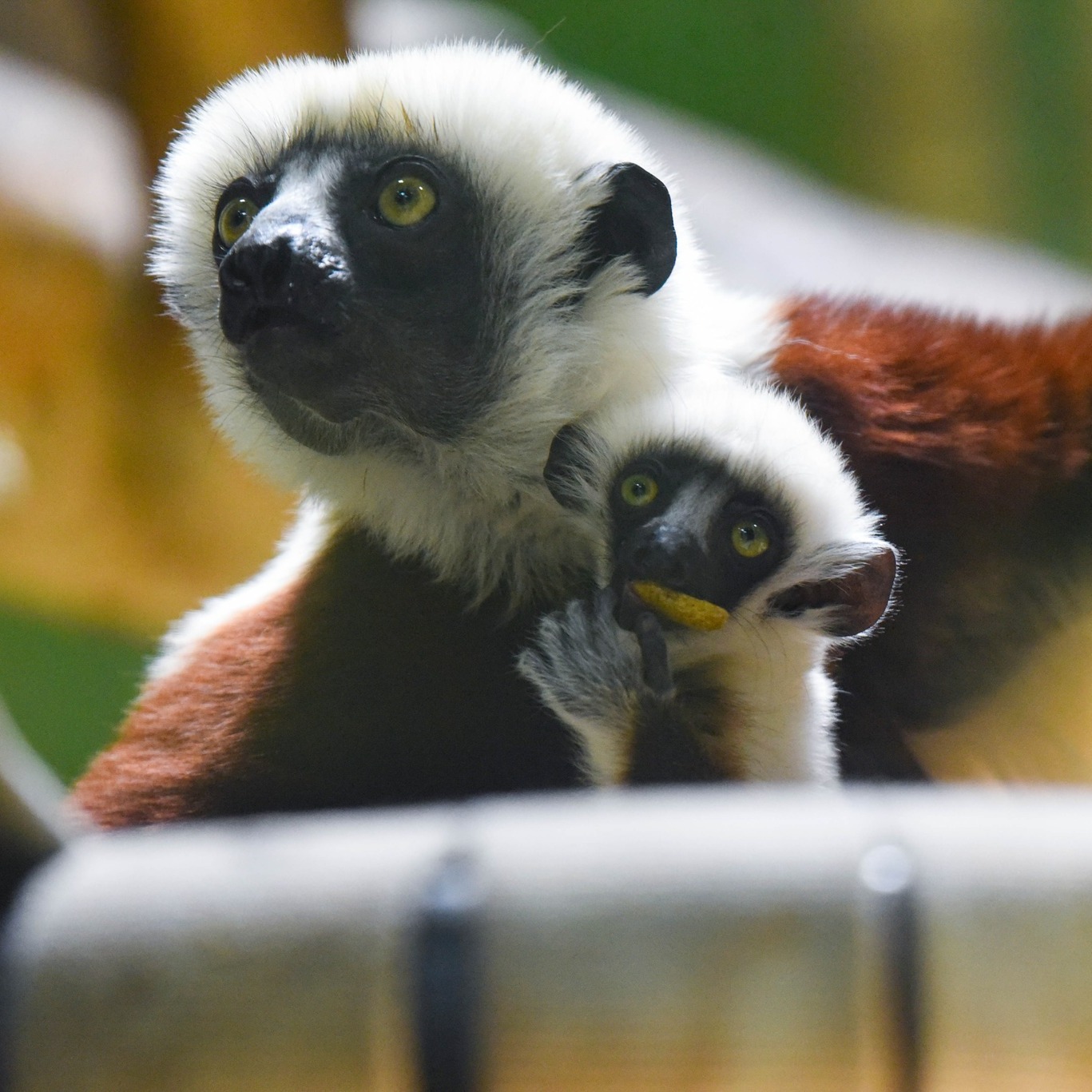
- Introduction to Juno, the baby sifaka named after the Roman goddess.
- Overview of the sifaka’s natural habitat and behavior.
- Importance of zoo management in sifaka conservation.
- Role of wildlife conservation efforts in preserving lemurs.
- Insights into Chimp Forest’s contribution to lemur education and awareness.
Juno, the baby sifaka, has recently captured the hearts of zoo visitors and conservationists alike. Her name, inspired by Juno, the Roman goddess of marriage and childbirth, reflects her special place in both her family and the broader environmental narrative. Observing this infant lemur is not only a delight but also a significant opportunity to understand the intricate aspects of sifaka behavior and conservation.
Sifakas belong to the lemur family, a group of primates native to the island of Madagascar. These creatures are known for their striking appearance, with long limbs, expressive eyes, and a distinctive locomotion method called vertical clinging and leaping. This unique movement allows them to navigate the forest canopy with agility and grace.
Madagascar’s forests, however, face severe threats due to deforestation, climate change, and human encroachment. Such challenges put immense pressure on sifaka populations, making zoo-based conservation initiatives crucial. Zoos like the one hosting Juno play an essential role in breeding programs, habitat preservation efforts, and education.
Zoo management involves creating enriched environments that mimic the sifakas’ natural habitat, striking a balance between the animals’ physical needs and psychological wellbeing. This includes providing ample space for movement, nurturing social interactions, and stimulating their cognitive abilities with enrichment activities. The goal is to maintain healthy populations that can potentially be reintroduced into the wild if necessary.
Wildlife conservation efforts aim to bolster sifaka populations by addressing broader environmental and socio-economic issues. Conservationists work closely with local communities in Madagascar to promote sustainable land-use practices and forest restoration. These initiatives often involve reforestation projects, community education, and developing alternative livelihoods that do not rely on habitat destruction.
Chimp Forest, home to Juno and her family, exemplifies the educational potential within modern zoological settings. Visitors learn about lemurs’ ecological roles as seed dispersers and their importance in maintaining forest ecosystems. Such educational experiences foster a greater understanding of biodiversity and the urgent need for global conservation efforts.
Juno’s presence in Chimp Forest serves as a reminder of the fragile interconnectedness between humans and wildlife. By showcasing the splendor and vulnerability of sifakas, zoos can inspire a sense of stewardship and responsibility towards preserving our shared planet.
*****
Source Description
The baby sifaka now bears a name worthy of legend—Juno, after the Roman goddess. Take a peek inside Chimp Forest and you may catch this divine lemur clinging to her mother. 🌟
