
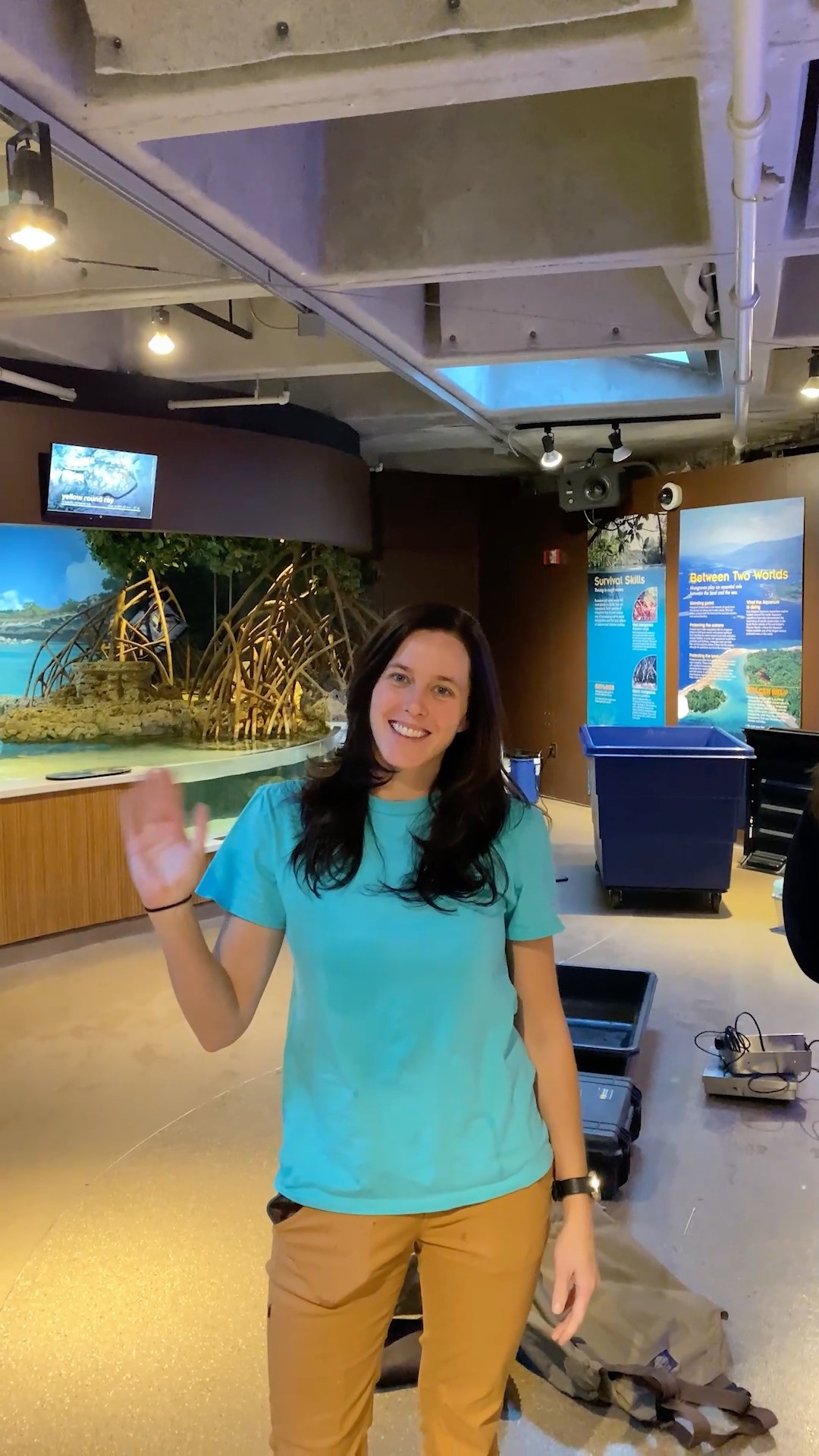
- Overview of the brown-banded bamboo shark and its habitat
- The importance of routine health examinations for aquatic animals
- The examination process conducted by Dr. Melissa Joblon
- Conservation efforts and the role of aquariums in shark preservation
- Educational outreach and public engagement in marine biology
The brown-banded bamboo shark (Chiloscyllium punctatum) is a fascinating species that inhabits shallow waters in the Indo-Pacific region, including areas around Southeast Asia and parts of Australia. Known for its distinct coloration—bands of brown across its body, which resemble stripes—it has become a popular species for both aquariums and marine enthusiasts. Typically found on the ocean floor of coral reefs and sandy areas, this species prefers environments where it can hide among the rubble and small crevices. Understanding its habitat and behaviors lays the groundwork for appreciating the importance of veterinary care and conservation measures.
Routine health examinations for aquatic animals are crucial for several reasons. First and foremost, healthy animals are essential for the ecological balance of marine environments. Fish and other organisms play multifunctional roles that affect nutrient cycling, ecosystem health, and biodiversity. Regular health checks help aquarists identify potential issues that could affect the sharks’ performance and overall well-being. These assessments can prevent diseases, ensure species survival in captivity, and contribute to broader conservation efforts.
Dr. Melissa Joblon, an esteemed veterinarian and director of Animal Health at the aquarium, recently conducted a routine examination of a female brown-banded bamboo shark in the Trust Family Foundation Shark and Ray Touch Tank. The process is guided by both protocols specific to marine life and an understanding of the individual animal’s needs. An exam typically involves various crucial steps. First, the shark is gently anesthetized to minimize stress and ensure safety, both for the animal and the staff. Once calm, the veterinarian conducts a thorough physical examination to check for signs of illness or injury. This can include examining the skin, fins, and gills, as well as assessing body condition and behavior. Blood samples may also be taken to analyze overall health and organ function.
During this examination, Dr. Joblon demonstrated her expertise by discussing the shark’s anatomy and physiology. Sharks, including the brown-banded bamboo shark, possess unique adaptations such as a cartilaginous skeleton, which is lighter than bone and aids buoyancy. Their skin is covered with tiny dermal denticles, which provide protection and reduce drag as the shark swims. Awareness of these characteristics assists veterinarians in assessing health and interpreting findings accurately, as any deviations from the norm can signify underlying issues.
Moreover, conserving species like the brown-banded bamboo shark is critical to the health of marine ecosystems. These sharks have a relatively low reproductive rate, which makes them vulnerable to overfishing and habitat loss. Aquariums play an instrumental role in the preservation of these species by providing a controlled environment for breeding programs, thereby mitigating the impact of wild harvesting. The examination conducted by Dr. Joblon reflects a commitment to maintaining the health of individuals, which in turn supports the entire population.
Educational outreach is another essential aspect of aquariums’ roles in marine conservation. By welcoming visitors to observe examinations and participate in discussions led by experts like Dr. Joblon, aquariums foster a deeper appreciation for marine life. Involving the public in understanding the processes behind animal care not only educates but also engenders support for conservation initiatives. For example, the recent “Elasmobracket” voting campaign aims to engage the community by determining favorite shark species while simultaneously promoting awareness of these creatures and the threats they face in the environment.
During the examination, several vital points were highlighted that resonate with public interests. The importance of protecting species diversity in the ocean, for instance, cannot be overstated. The presence of a diverse range of species optimizes ecosystem resilience and functionality. Each species, including the brown-banded bamboo shark, plays a specific role within its ecological niche, and the loss of any one can have cascading effects on others.
Additionally, the examination and follow-up care not only benefit the individual shark but are vital for collecting data that can inform wider conservation strategies. For example, understanding disease prevalence or capturing biological data can shape future policies regarding habitat protection or animal care. This vital knowledge ultimately contributes to global conversations surrounding marine biodiversity and ecosystem health.
Today’s environmental issues necessitate active participation from professionals across multiple disciplines. This includes veterinarians, marine biologists, policy-makers, and concerned citizens. An informed public is a powerful ally in efforts to promote conservation and sustainable practices. The involvement of local communities aids in reinforcing regulations and instilling a sense of responsibility regarding marine life.
The commitment to animal health, as demonstrated during the brown-banded bamboo shark examination, underscores qualities vital to conservation efforts. By maintaining a sustainable and healthy population of sharks and rays, aquariums contribute to the broader narrative of marine preservation. Moreover, health assessments serve as live demonstrations of the scientific rigor and dedication involved in caring for aquatic life.
The experience of observing Dr. Joblon in action allowed for insights into the operational aspects of aquarium care. Her methodical approach not only exemplifies veterinary knowledge but also illustrates how imperative teamwork is among dedicated professionals. Experts collaborate closely, employing their individual skills to ensure comprehensive care while educating the next generation of marine scientists.
Aquatic health isn’t solely the responsibility of those working within aquarium walls. A holistic approach that involves the community at large is essential. Encouraging visitors to participate actively boosts awareness around marine environments and the critical state of many aquatic species. Programs that enable the public to adopt, or otherwise support, animal care activities can contribute substantially to conservation funding and initiatives.
Through inspiration and education, local aquariums can mobilize community interest toward preserving marine ecosystems. Campaigns like Shark Month illustrate how engaging the public leads to effective advocacy for marine life. The enthusiasm seen in activities like the “Elasmobracket” voting showcases that individuals can find ways to connect personally to marine subjects and feel empowered to make a positive difference.
The examination and care of the brown-banded bamboo shark exemplifies the interconnectedness of veterinary medicine, conservation, and public engagement. Routine health checks not only satisfy the needs of individual animals but also resonate on a larger scale within the marine ecosystem. By educating visitors about these processes, aquariums contribute significantly to conservation efforts, enabling all to play a part in protecting vulnerable marine species.
As the discussion around the importance of routine examinations continues to evolve, it is crucial to highlight the proactive steps that aquariums and their teams implement. Dr. Joblon’s commitment to the well-being of sharks is just one aspect of a comprehensive approach to marine life conservation. The lessons learned from cases like the brown-banded bamboo shark exemplify how collective knowledge and community involvement pave the way for sustainable practices that will benefit marine ecosystems in the long term.
In summary, organizations dedicated to marine life not merely focus on either education or conservation. They synergize their efforts—demonstrating that caring for aquatic animals is not just about health and living conditions in controlled environments. It extends to the larger picture of sustainability and awareness that draws the community into a shared mission, ensuring that action is taken and understood. By nurturing curiosity and fostering respect for marine creatures, everyone has the opportunity to be part of a global movement toward meaningful conservation efforts.
*****
Source Description
Come along with us for a brown-banded bamboo shark exam! 🩺
Dr. Melissa Joblon, an Aquarium veterinarian and our director of Animal Health, brought us along for a routine shark exam in our Trust Family Foundation Shark and Ray Touch Tank.
Spoiler: this female brown-banded bamboo shark was given a clean bill of health and is now happily back in the touch tank!
Ready for more shark content? Join us in our stories for our first round of voting in our Shark Month “Elasmobracket!” 🗳️
